Concept
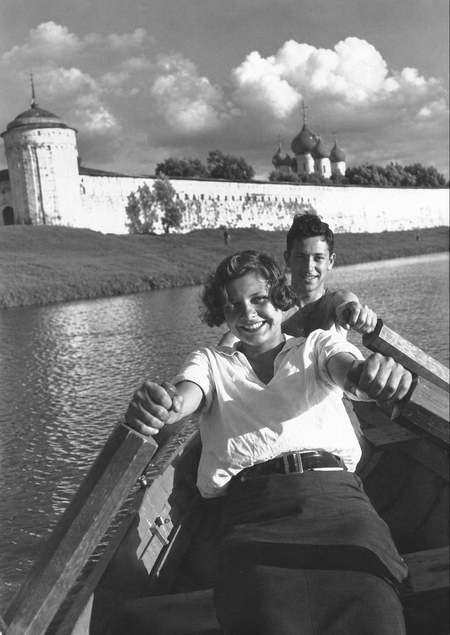
The visual study is dedicated to shaping the image of the younger generation in Russian photography of the 1920s and 1930s. Youth is examined both as an age category and a cultural archetype, reflecting social changes, new conceptions of humanity, and methods of visually presenting a generation.
In the first decades of the Soviet era, photography became a vital tool for capturing and disseminating conceptions of the new social reality. It was used in the press, documentary filmmaking, family albums, and various forms of public visual culture. Under these conditions, the image of the young person took on special significance. Youth was connected to ideas about the future, societal transformation, education, labor, and collective activity.
The research explores the methods used to form the visual image of youth through photography. The focus is on the appearance and clothing of young people, the nature of their posing, the composition of group and individual shots, and the situations in which they are depicted. Special significance is given to the visual motifs of study, sports, leisure, community activity, and daily life.
Key research question
How was the visual image of the younger generation in Russian photography of the 1920s–1930s formed and transformed under the influence of social and cultural changes during the Soviet era?