Navigator
1 — Concept 2 — The Emergence of Modularity 3 — Modularity as an Architectural Idea 4 — Modularity Without Modules 5 — Conclusion 6 — Bibliography 7 — Image Sources
Concept
Modularity is one of the key principles of 20th-century architecture. Initially, it was tied to the industrialization of construction, the standardization of elements, and mass housing production. The use of repeating modules allowed for accelerated construction, reduced costs, and addressed housing shortages. These principles were particularly evident in Soviet industrial housing construction between 1955 and 1985, where modularity primarily functioned as a building technology.
However, in contemporary architecture, the significance of modularity has substantially shifted. Many architects continue to employ principles of repetition, combination, and rhythm, but no longer as an obligatory structural system, but rather as a means of shaping the architectural image. In many projects, modularity exists more visually than structurally. Nevertheless, it continues to create a sense of order, scale, and compositional integrity.
It is this transformation—the shift from a technological principle to an artistic device—that constitutes the primary interest of this research.
Architectural examples have been selected to illustrate the evolution of the understanding of modularity in architecture—from a method of mass construction to a contemporary compositional technique. Comparing them will help trace how the functions of modularity have changed over time and which of its principles remain in use today.
The literature has been chosen to examine modularity from multiple perspectives: as a construction technology, as an architectural principle, and as a means of artistic expression. This will help correlate theory with how modularity manifests in the selected architectural projects.
Why does this principle remain relevant as an artistic tool, and what architectural qualities does it enable the creation of?
Hypothesis:
As architecture evolved, modularity ceased to be merely a necessity for reducing construction costs and transformed into a compositional device. Contemporary architects utilize not so much actual volumetric modules as the aesthetic of the modular structure, because it allows for the combination of a sense of systematicity, variety, and formal expressiveness.
The emergence of modularity
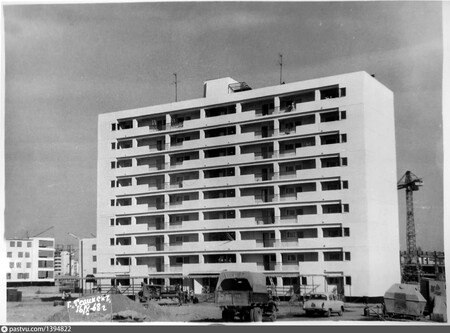
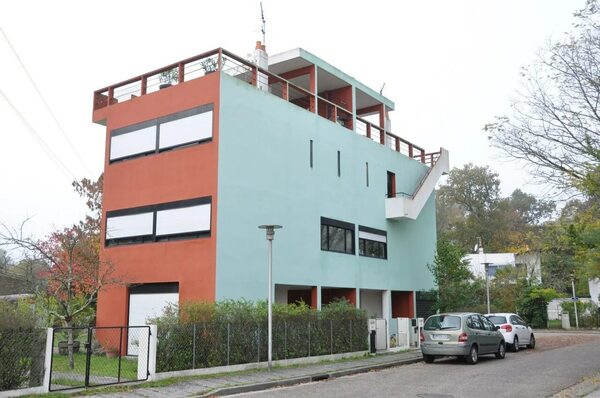
Residential Block C-5, 1968 Frioux Village, Le Corbusier, 1926
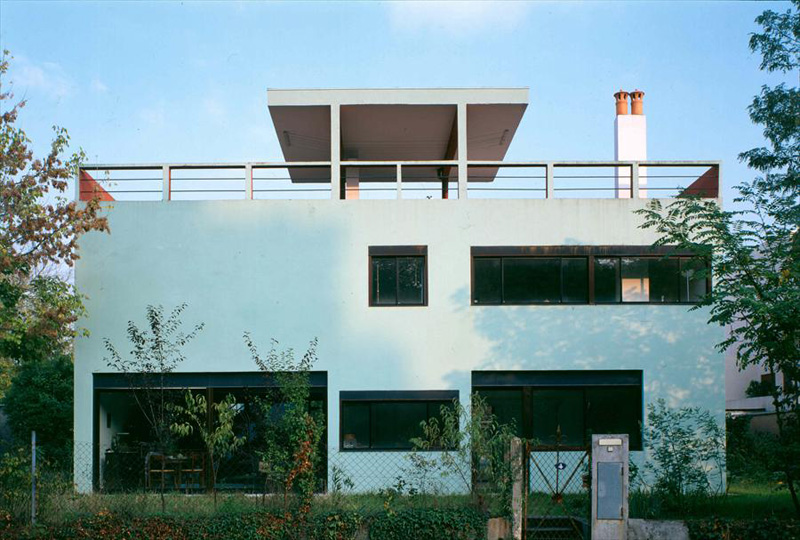
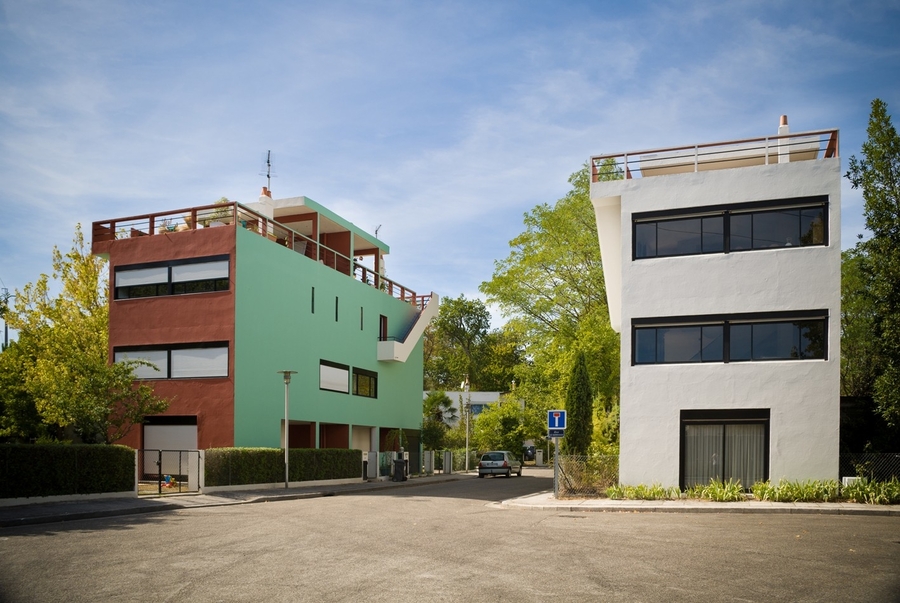
Ingalls Building, 1903, Elzner & Anderson
The Module as an Architectural Idea
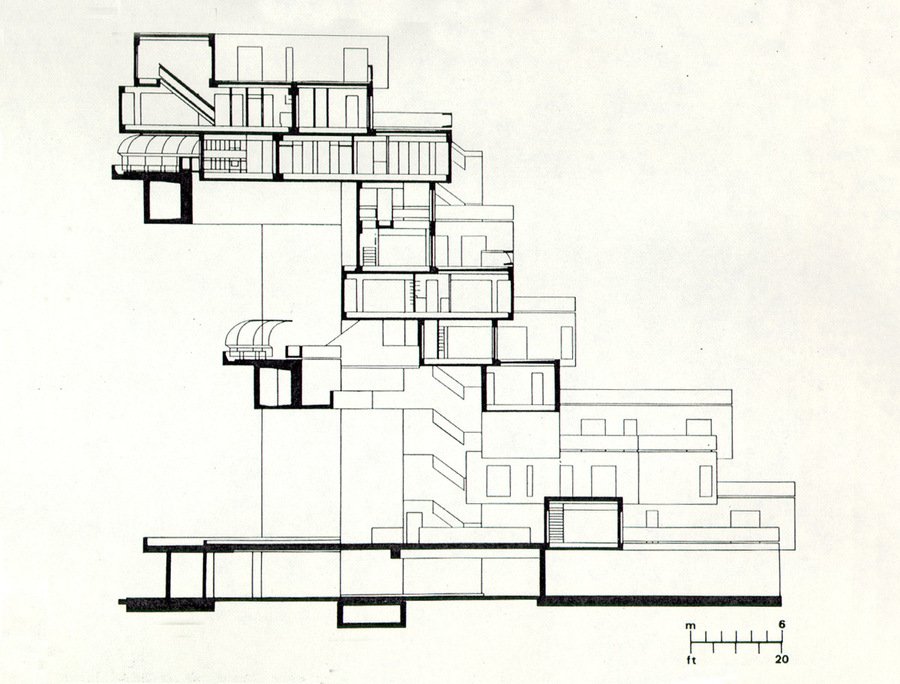
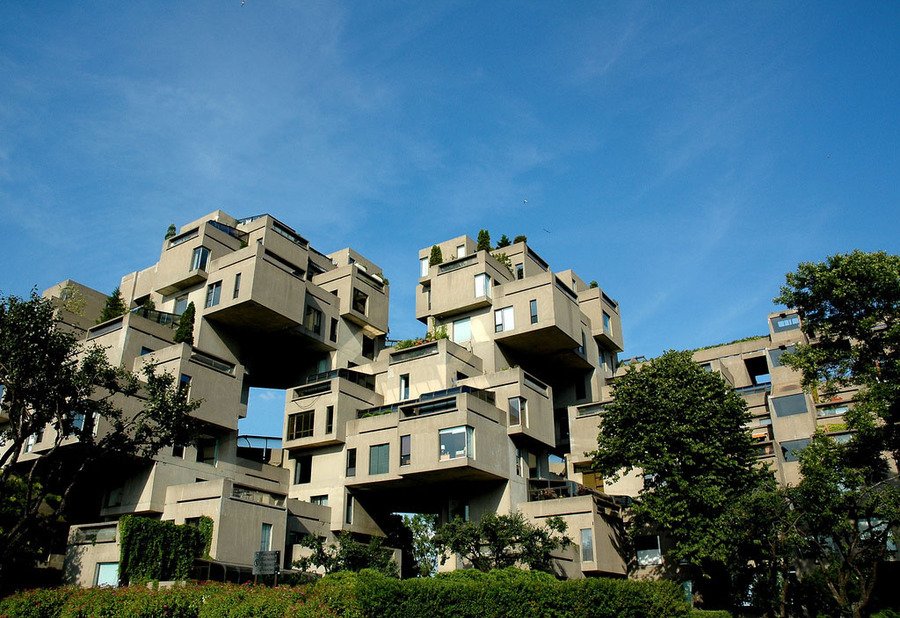
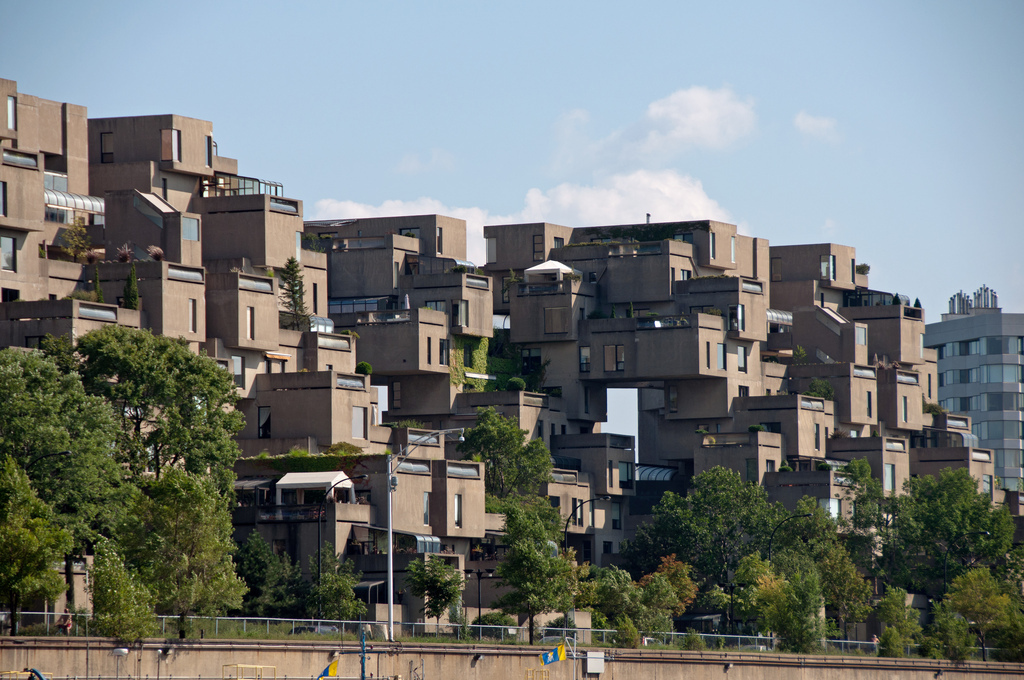
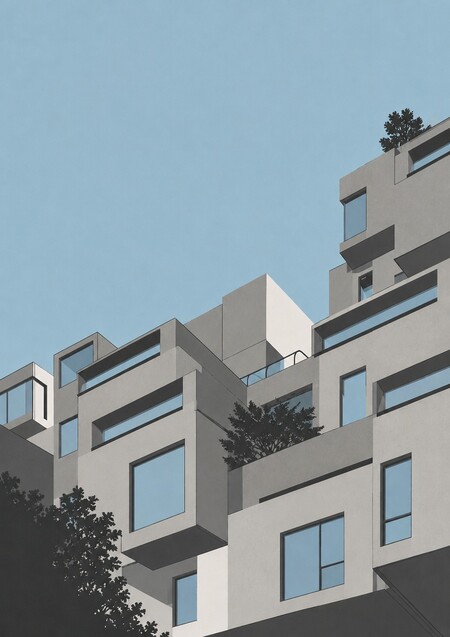
Habitat 67, Moshe Safdie, 1967
Module without modules
Mooser — Housing Construction in the USSR 1955–1985. Architecture of the Khrushchev and Brezhnev Eras (this should be one of the main sources). Garage
Kenneth Frampton — Modern Architecture: A Critical History.
Ryan E. Smith — Prefab Architecture: A Guide to Modular Design and Construction.
Stephen Kieran, James Timberlake — Refabricating Architecture.
Herman Hertzberger — Lessons for Students in Architecture.
Rem Koolhaas — Delirious New York or S, M,L, XL.
https://style.rbc.ru/impressions/578c8bd79a7947b371108722 (Date accessed:)
https://pastvu.com/p/1394822 (Date accessed:)
https://levelvan.ru/pcontent/avangard-3/le-corbusier (Date accessed:)