Navigator
1. Concept
2. Film 1
3. Film 2
4. Film 3
5. Film 4
6. Film 5
7. Conclusion
8. Sources

Concept
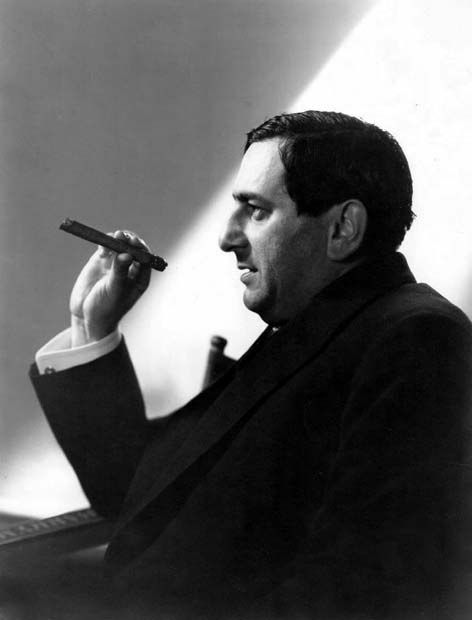
Ernst Lubitsch (January 29, 1892–November 30, 1947) was a former Jewish theatrical actor born on the territory of modern-day Germany. His films are filled with innuendo and irony, opulent costumes, and outstanding sets, yet they are fundamentally nothing more than absurdist comedies.
Therefore, the research topic becomes the visual language and stylistic characteristics of the director’s comedies. Since he is among the pioneers in world cinema who laid the groundwork for the production standards of films filled with unspoken elements, irony, and wit—what film scholars collectively term the «Lubitsch touch"—studying his work is not limited to merely observing what immediately catches the viewer’s eye.Ernst Lubitsch’s theatrical past is not absent from his visual presentation, as his films are filled with elaborate and artificial set designs that possess their own language—lush costumes that evoke salon culture, as well as an emphasis that is, in turn, revealed through his affection for working with emotion via close-ups of the characters.For this visual study, early works created before his move to Hollywood, from 1916 to 1921, have been selected: «Princess Oyster» (1919), «The Doll» (1919), «I Don’t Want to Be a Man» (1918), «Pincus’ Shoe Palace» (1916), and «The Wild Cat» (1921).
The film analysis in the research is structured according to the stylistic features of the director’s body of work. The breakdown includes three main sections:
1. Actor’s physicality and visual interplay (including the director’s own performance);
2. Ornamentation of set designs, theatrical artificiality, and the stylization of space within the frame composition;
3. Editing and the temporal rhythm of the comedic narrative.
Kireeva M. Ernst Ludwig: How to start watching his films // Arzamas. — URL: https://arzamas.academy/mag/1301-lubitsch?ysclid=mv8c22xs4361259135 (Accessed: October 14, 2026).
Zhuravsky A. V. The image of the Prophet Moses in three theistic traditions // CyberLeninka Scientific Electronic Library. — URL: (THIS IS A TEMPLATE EXAMPLE) — or add another journal… see VK