Navigation
- Concept
- WOVOW VZHZHVY AEVYE A YV A YV
i. Concept
In Hitchcock’s films, anxiety often arises before the dangerous event even occurs. The viewer notices an object, a shadow, or an expression, and begins to anticipate what comes next. Sometimes the audience is given more information than the character, and other times they are forced to share the character’s uncertainty. In both cases, the method of presentation matters: what is framed, how closely it is shot, and what imagery it is paired with. This study investigates how Hitchcock directs the viewer’s attention and transforms what is seen into a foundation for anxiety.
For this project, the director’s British period was chosen. The films under consideration date from 1929–1938—a period of transition from silent to sound film and the subsequent development of the sound thriller. «Chantage» exists in both silent and sound versions; the sound version will be used in this study. This context is crucial for posing the question of representational possibilities: how do composition, acting, and editing contribute to building tension alongside dialogue and sound? Furthermore, the work focuses on the visual execution of the scenes; sound will only be taken into account where it is essential to explain the events unfolding.
The research material will consist of five full-length British productions: «Chantage» (1929), «39 Steps» (1935), «Sabotage» (1936), «The Young and the Innocent» (1937), and «The Lady Vanishes» (1938). This selection allows for a comparison of Hitchcock’s techniques for manipulating audience attention within a single period of his career. For a detailed analysis, specific episodes will be chosen where a significant detail is emphasized through scale or composition, where the sequence of shots generates anticipation, or where the imagery conveys a breakdown in a character’s perception.
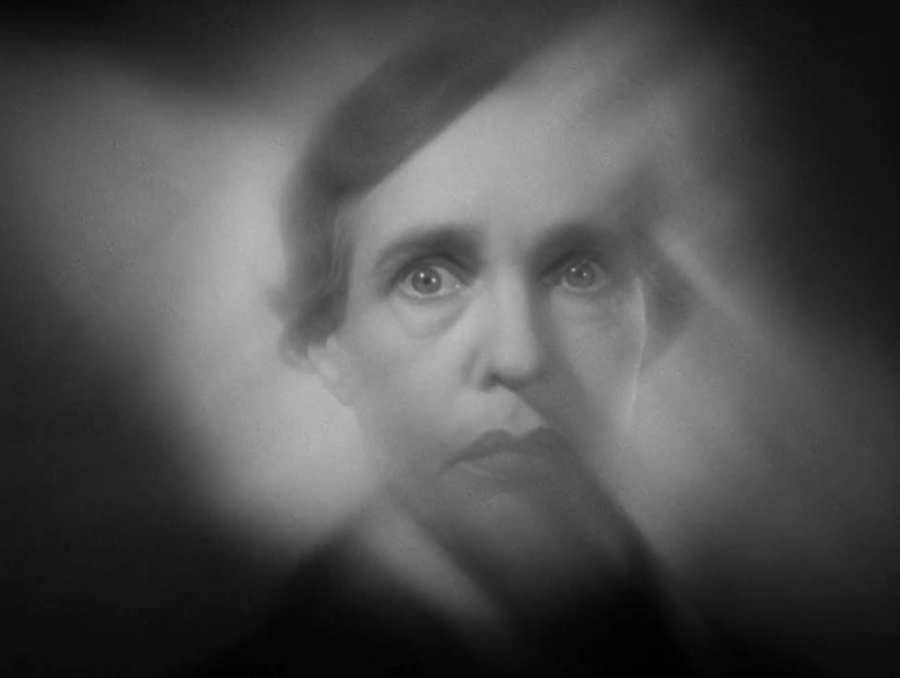
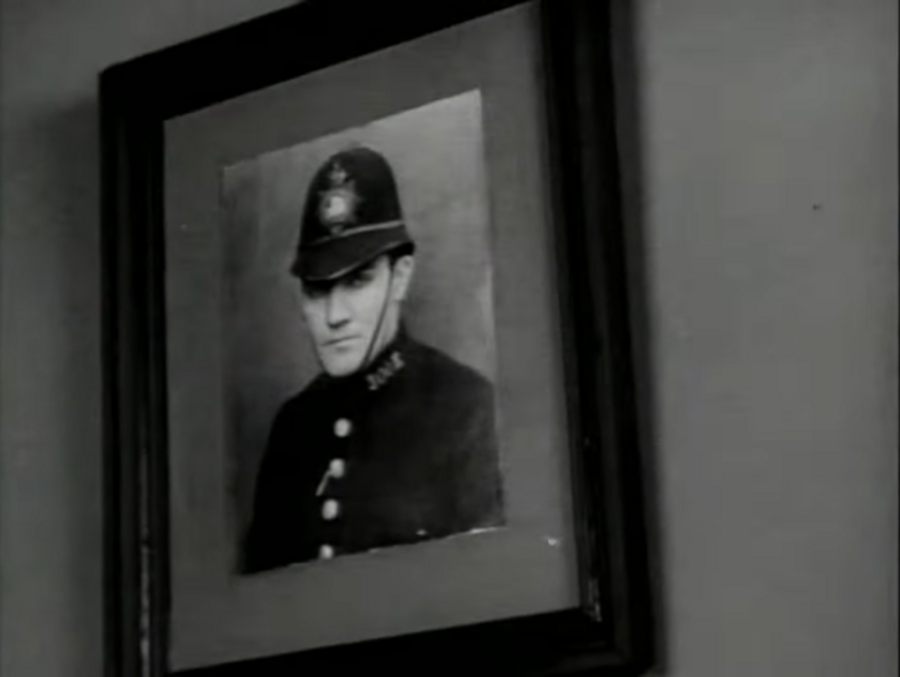
The starting point was observations of recurring imagery in «Chantage»: the knife, the laughing painting, and the glove. Their significance depends on the circumstances of their appearance and the characters' behavior. In «39 Steps,» attention is drawn to the enlargement of the map in the hand of the deceased Annabelle and the reappearance of her face through image layering. In «Lady Disappears,» the shadow of the attacker and the distorted image of the passengers serve as comparison material. These findings suggest that anxiety is linked to various ways information is presented. Episodes featuring the package and the knife from «Sabotage,» as well as the camera movement toward the drummer in «Young and Innocent,» will allow us to test and supplement these observations.
The key research question is: How does Hitchcock manage the audience’s attention to generate anticipation of danger or doubt about what they are seeing? The working hypothesis is that anxiety arises from the ratio between a highlighted detail and incomplete information. The viewer notices something significant but does not yet know all the circumstances, consequences, or the degree of reliability of what they see. Scale, composition, editing, and subjective imagery determine when this information is delivered and how long the viewer remains in a state of suspense.
The structure is organized by techniques, not by individual films. The first chapter is dedicated to isolating detail within the frame: close-ups, object placement, light contrast, and camera movement. The second examines editing—image repetition, connecting objects to gaze and action, alternating events, and delaying the outcome. The third chapter focuses on subjective depiction: memories, visual distortions, and associations related to the character’s state. This structure will allow for the comparison of scenes from different films and reveal how a similar technique performs different functions.
The core method of analysis is comparative study of individual frames and short sequences. For each episode, the initial situation, the sequence of information revelation, and the connection between the depicted object and the character’s reaction will be established. Screenshots will be accompanied by timecodes, analytical captions, and tagging where necessary. A single frame will allow for an examination of composition, while conclusions regarding editing and the development of anticipation will be based on the sequence of images. When interpreting, a distinction will be made between what is directly visible and the meaning that can be inferred based on context.The textual sources were selected based on their relevance to the research method. The book «Hitchcock/Truffaut» will help align directorial explanations with the structure of specific scenes. David Bordwell, Kristin Thompson, and Jeff Smith’s «Film Art: An Introduction» will provide the concepts needed to describe framing, montage, and the distribution of narrative information. Yuri Lotman’s work, «Semiotics of Cinema and Problems of Film Aesthetics, ” will be utilized to comprehend the relationships between images. The propositions from these books will be tested against visual material. The final outcome of this study will be an determination of how the selection, sequence, and subjective coloring of an image contribute to the creation of suspense in the chosen films.
I.
For a small detail to gain significance, the viewer must notice it. To achieve this, Hitchcock manipulates framing, restricts the visible space, utilizes the direction of gesture, and employs the contrast of light and shadow. As a result, attention focuses on a detail that helps convey the situation or suggests that more remains hidden.
In «Film Art, ” Boardwell, Thompson, and Smith discuss composition as a means of guiding the viewer’s attention. The placement of objects, the contrast between light and dark, and the relationships between spatial elements help to emphasize significant details [1, pp. 143–149]. In the selected shots, one can observe how these elements work with various details: a glove, a map, a statuette, and a hand shadow.
«Shantage»
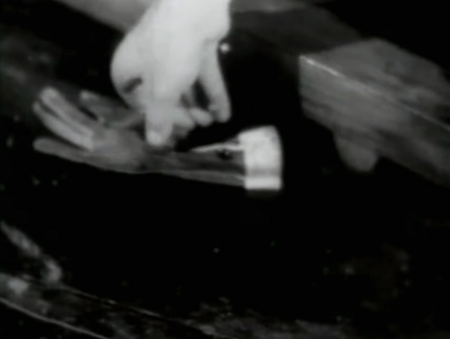
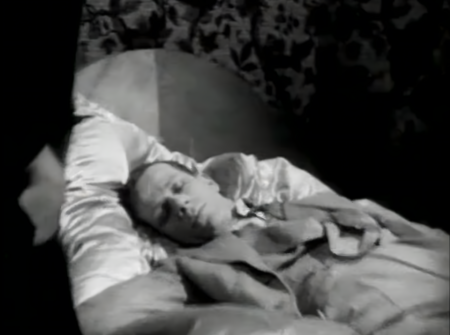
In the shot featuring the table, the glove is displayed alongside a watch and other small objects. The person in the image is absent. Due to the close framing, the objects become the central focus of the plan—they can be viewed independently of the overall workshop setting.
When the glove ends up in Frank’s hands, the way it is presented changes. In a wider shot, his face, figure, and surrounding furniture are visible. Close-up shots remain focused on the brushes, a part of the suit, and the find itself. The light hands stand out against the dark fabric of the clothing, and the details of the workshop lose definition. The focus is concentrated on the fingers and what is happening between them.
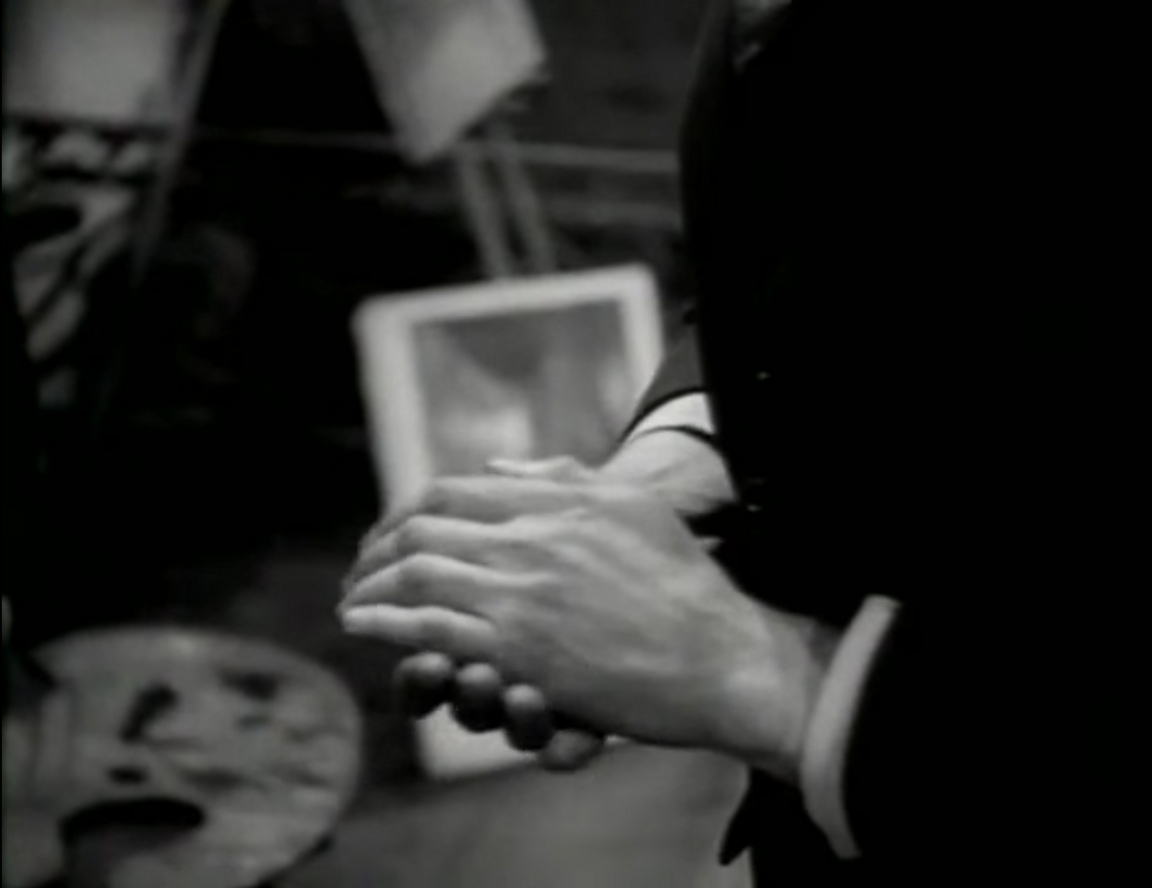
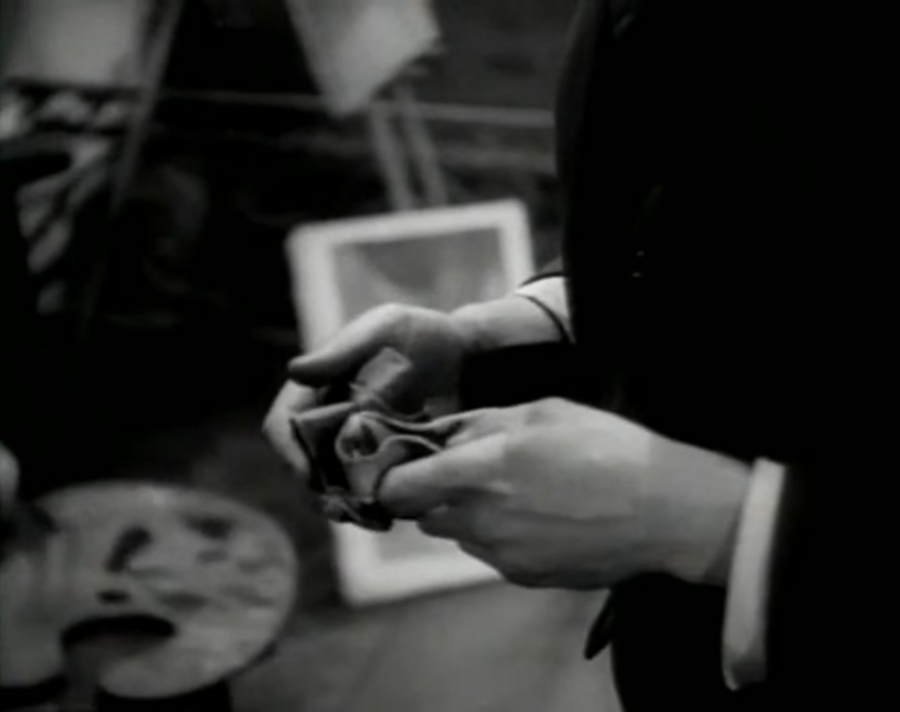
In one of the submitted frames, the glove is visible between the hands; in another, the palm almost entirely covers it. This comparison reveals the action by which the object is removed from view. The less of the glove that remains visible, the more noticeable the gesture of its concealment becomes. In the context of the investigation, the discovery is dangerous for Alice. Therefore, Frank’s interaction with it takes on the significance of an act: the viewer can link the hidden glove to his desire to protect the heroine. Furthermore, the image primarily depicts the position of the hands and the object; the character’s motive is established in consideration of the plot.
«39 Steps»
In the first frame, a map is shown alongside Annabella’s lowered hand. A light brush and paper stand out against the dark clothing. The woman’s face remains outside the image, so the focus is drawn to the object she is holding.
In this image, attention is organized by the arrangement of objects. The statuette stands on a tall pedestal in front of a light-colored wall. Its dark silhouette is clearly discernible: one can see the raised arm, the position of the legs, and the other arm extended to the right. The direction of the extended arm aligns with the placement of the window. A visual connection arises between the human figure and the interior elements: by examining the statuette’s gesture, one can follow its line of direction toward the window opening. The window is also highlighted by contrast. Light curtains frame a dark area where the space outside is almost impossible to discern. The frame directs attention to the room’s boundary but leaves unknown what lies beyond it.
II. Image Repetition