

Dodo Pizza is an international pizza chain founded in 2011. It operates in the quick-service restaurant industry and has grown from a small pizza business into a large food-service brand. Today, Dodo Pizza is known not only for its products, but also for its digital approach to service, delivery, and customer experience.
The brand is part of Dodo Brands, a company that develops food-service businesses through franchising and technology. This makes Dodo Pizza different from many traditional pizza chains: its identity is connected not only with food, but also with digital systems, standardised service, and openness. Because of this, Dodo Pizza is a useful case for analysing modern brand communication.

Dodo Pizza logo
BRAND POSITIONING
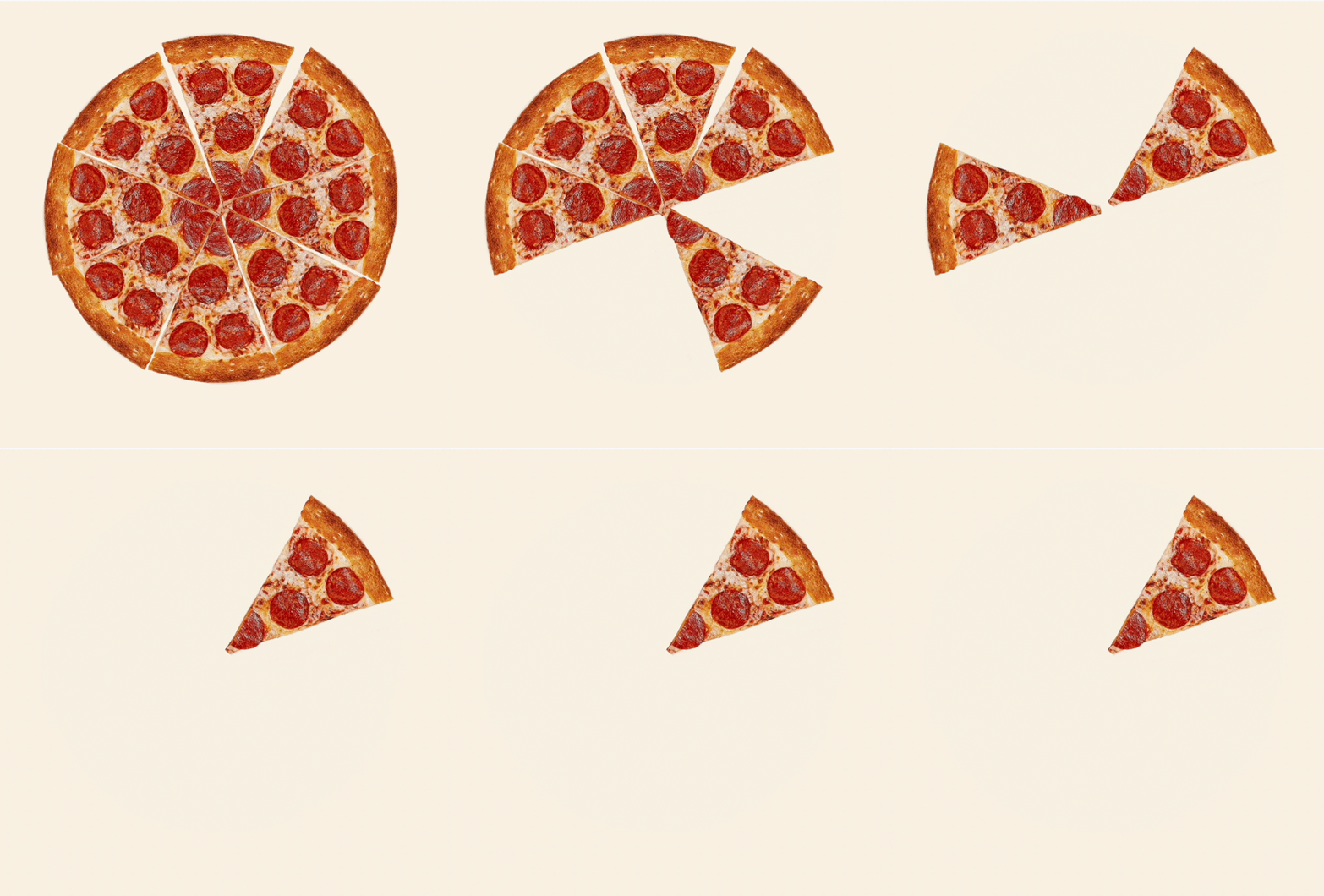
Dodo Pizza advertising campaign: «You don’t have to share»
Dodo Pizza positions itself as an accessible, modern, and customer-oriented pizza brand. It operates in the mass-market food segment, so its image is built around everyday convenience, friendly service, and simple communication. The brand is not presented as premium or exclusive; instead, it is positioned as a pizza chain for regular occasions, such as delivery orders, family dinners, office lunches, and meetings with friends.
A key part of Dodo Pizza’s positioning is its digital focus. The brand actively uses its mobile application, website, and social media to communicate with customers and make the service experience more convenient. Through the app, customers can place orders, track delivery, receive offers, and leave feedback. Through social media, Dodo Pizza can share updates, promote campaigns, respond to comments, and maintain a more direct connection with its audience.
Overall, Dodo Pizza can be positioned as a mass-market pizza brand that combines accessible food, digital convenience, and online interaction. This makes the brand feel modern, open, and close to its customers.
TARGET AUDIENCE
Dodo Pizza’s target audience is broad because the brand operates in the mass-market food segment. Its products are suitable for everyday situations, such as quick lunches, family dinners, meetings with friends, office meals, and home delivery. Therefore, the brand mainly appeals to customers who value convenience, speed, accessibility, and a simple ordering experience.
A key part of Dodo Pizza’s audience is young and digitally active consumers. They are used to ordering food through mobile apps and online platforms, so they expect fast service, clear information, and easy interaction with the brand. Families and everyday consumers are also important, as pizza is often connected with shared moments, comfort, and informal social occasions.
Overall, Dodo Pizza communicates with several audience groups at the same time. The brand needs to be friendly and affordable for everyday customers, convenient for digital users, and emotionally appealing for people who choose pizza as part of social moments.
Dodo Pizza uses an omnichannel communication strategy that combines digital and offline channels to maintain continuous interaction with its customers. The brand focuses on convenience, transparency, and fast communication, creating a consistent customer experience across all touchpoints.
One of the company’s main communication channels is social media, including VK, Telegram, YouTube, and other platforms. These channels are used to share company news, promotional campaigns, entertaining content, and behind-the-scenes materials. Dodo Pizza actively communicates with its audience using a friendly and informal tone, which helps strengthen customer loyalty and engagement.

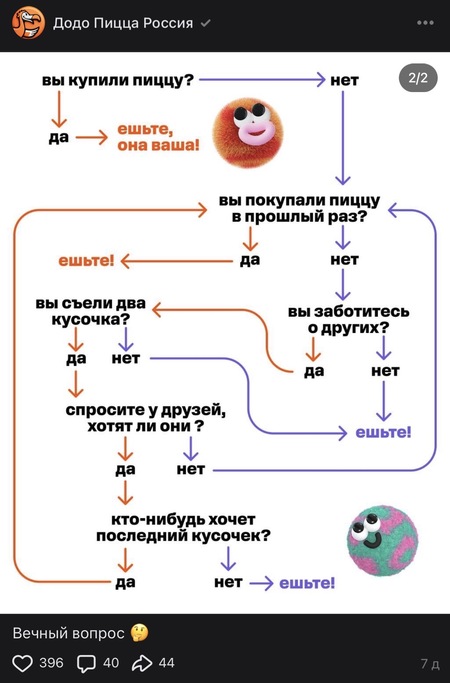
VK Dodo Pizza
The company’s website and mobile application are also essential communication channels. Customers can place orders, receive personalized offers, participate in promotional campaigns, use the loyalty program, and receive push notifications about new products and special discounts.
Dodo Pizza also relies on CRM communication tools such as email newsletters, SMS messages, and push notifications. These channels are used to deliver personalized content, remind customers about promotions, and encourage repeat purchases through automated marketing campaigns.
Another important communication channel is influencer marketing. The company collaborates with bloggers and digital creators to promote products through native advertising, reviews, and joint campaigns, helping to increase brand awareness and reach new audiences.
Offline communication also plays a significant role. Branded restaurant interiors, product packaging, promotional events, and direct interaction between employees and customers all contribute to the overall brand experience. The open-kitchen concept further strengthens customer trust by allowing visitors to observe the pizza-making process.
A key feature of Dodo Pizza’s communication strategy is its commitment to transparency. The company openly shares information about its operations, responds quickly to customer feedback, publishes behind-the-scenes content, and actively engages with its audience. This approach helps build trust, strengthen the brand’s reputation, and maintain long-term customer relationships.
Dodo Pizza billboard
To analyze the digital shift in Dodo Pizza’s communication strategy, we need a strong theoretical foundation. We deliberately chose two distinct but connected theories: the Dialogic Theory of Public Relations and the Uses and Gratifications (U&G) Theory.
We selected these specific tools because digital communication is always a two-way street. To get a complete picture, we must look at the interaction from both sides:
The Brand’s Side (Dialogic Theory): Theory is useful because Dodo Pizza actively uses digital platforms to communicate with customers. In particular, the mobile application can be seen not only as a tool for ordering pizza, but also as a space where the brand maintains contact with its audience. To analyse this, we focus on two dialogic principles: Ease of Interface and Conservation of Visitors.
The Consumer’s Side (Uses and Gratifications Theory): This theory helps us look at the psychology of the audience. It explains why active users choose to interact with Dodo Pizza in the first place and what specific psychological needs (information, fun, or community) they want to satisfy through the brand’s digital channels.
In this chapter, we transition from theoretical frameworks to empirical data by analyzing the specific digital communication tools used by Dodo Pizza. As established in the previous chapter, digital communication is a dynamic environment where the brand’s platform architecture meets the consumer’s psychological needs.
To demonstrate this digital shift, we first examine the structural side of the Dodo Pizza mobile app interface. The application is designed to ensure an exceptional Ease of Interface, allowing users to navigate menus flawlessly, and it uses smart push-notifications with targeted discounts to ensure the Conservation of Visitors.
Dialogic Theory
Dodo Pizza mobile app interface
Ease of Interface is one of the dialogic principles that explains how easily users can interact with an organisation through a digital platform. If the interface is simple, clear, and convenient, users are more likely to stay involved and continue communication with the brand. In this sense, the design of a website or mobile application becomes part of the communication process, because it shapes how users move through information, make decisions, and respond to the brand. For Dodo Pizza, this principle is especially relevant because the mobile application is one of the main points of contact between the brand and its customers. A convenient interface helps users order pizza, choose products, track delivery, receive offers, and leave ratings without unnecessary difficulty. Therefore, the app does not only support the purchase process; it also makes interaction with the brand faster, easier, and more comfortable.
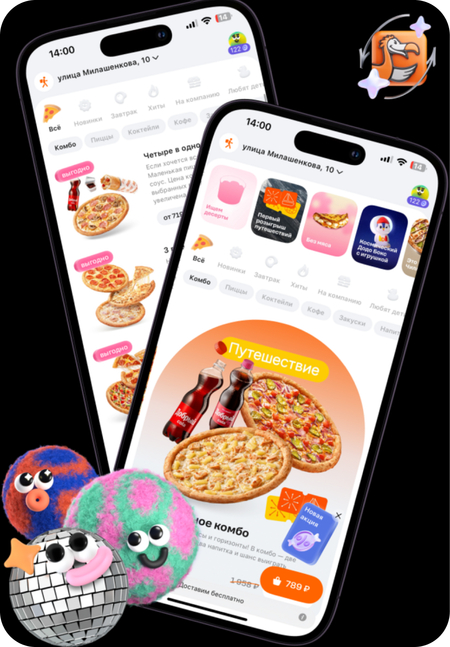
Dodo pizza mobile app interface
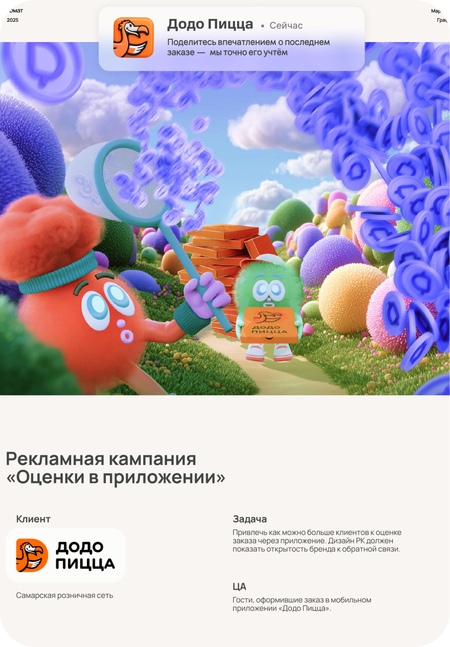
Conservation of Visitors is another dialogic principle that focuses on keeping users engaged within a digital platform and encouraging them to return. In online communication, it is not enough for a brand to attract users once. A successful digital platform should give people reasons to stay, come back, and continue interacting with the brand over time. For Dodo Pizza, this principle can be applied to the mobile application and social media. The app can encourage users to return through push notifications, in-app stories, personalised offers, promotions, and reminders. Social media can also support this process by keeping the audience updated, inviting reactions, and maintaining regular contact with users. In this way, Dodo Pizza’s digital communication is not limited to a single purchase; it creates repeated points of contact between the brand and its audience.
Example of a push notification from Dodo Pizza
Dodo Pizza also supports the conservation of visitors through active social media communication. The brand often uses polls, questions, interactive stories, and humorous posts to keep the audience involved. These formats help Dodo Pizza understand customer preferences, collect quick reactions, and create a feeling of direct communication with users. Instead of speaking only in an advertising tone, the brand often uses friendly and humorous language, which makes communication feel more natural and closer to the audience. As a result, social media becomes another space where Dodo Pizza maintains regular contact with customers and encourages them to return to the brand’s content.