Исходный размер 1140x1600

Surf Coffee. Visual Research & Communication Theory

Данный проект является учебной работой студента Школы дизайна или исследовательской работой преподавателя Школы дизайна. Данный проект не является коммерческим и служит образовательным целям
Проект принимает участие в конкурсе

Introduction

About Surf Coffee

Surf Coffee is a Russian coffee shop chain inspired by surfing culture, freedom, and travel. The first Surf Coffee spot opened in Obninsk in 2010. Today, the company has expanded into hundreds of coffee shops operating through a franchise model across Russia and several neighboring countries. Unlike many traditional coffee chains, Surf Coffee does not focus only on selling beverages. Instead, it creates a lifestyle that combines coffee, music, art, surfing, and community. Customers visit Surf Coffee not only for coffee but also for the atmosphere and emotional experience. The company positions itself as a creative and youthful brand that values authenticity, freedom, and self-expression.

Surf Coffee isn’t just about drinks — it’s about lifestyle, freedom, and creativity. Their concept combines the spirit of surfing, coffee culture, and a sense of adventure.

0

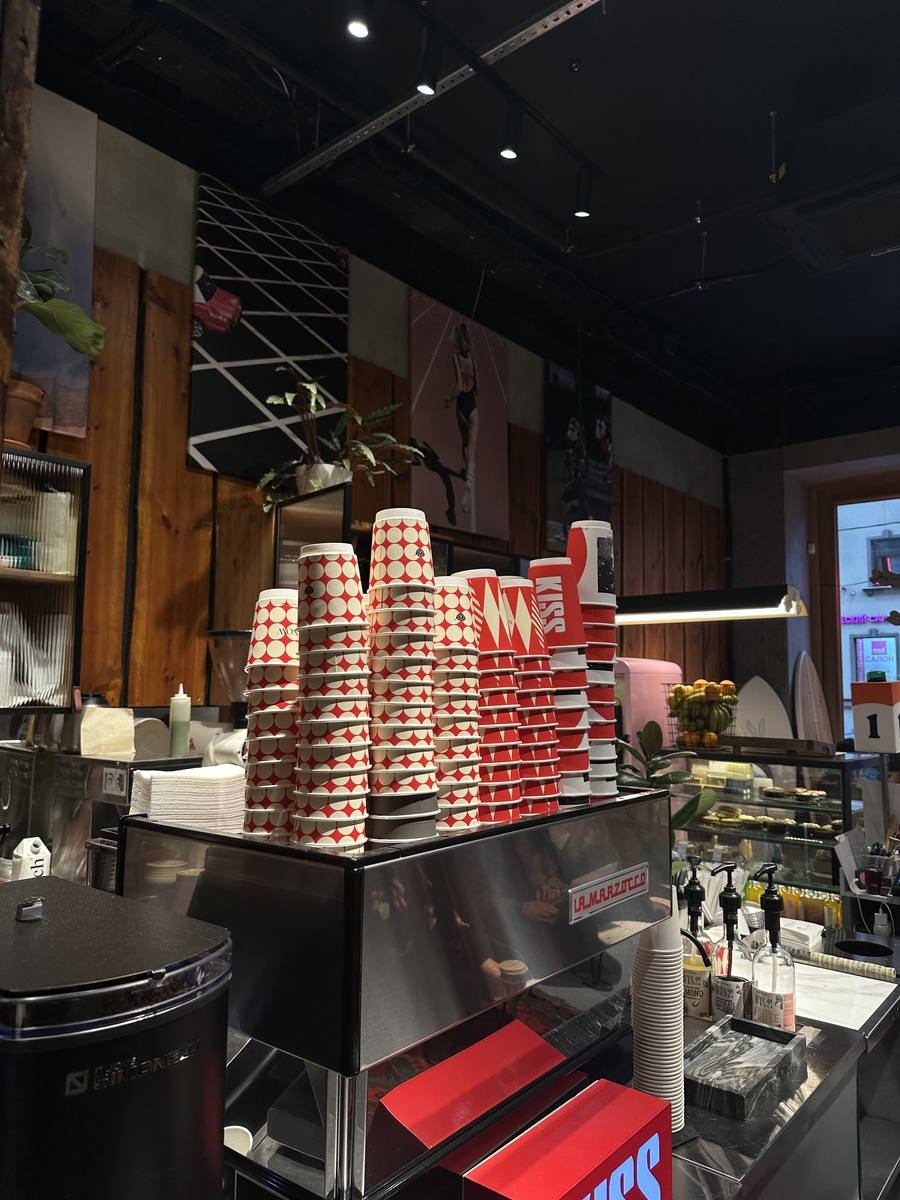
photos from personal archive

Surf Coffee was founded by entrepreneurs who wanted to introduce a different coffee culture to Russia. Their inspiration came from California’s surfing lifestyle, where cafés serve as meeting places for friends, artists, and travelers. Since its establishment, Surf Coffee has developed a recognizable visual identity based on warm colors, vintage aesthetics, hand-drawn illustrations, and tropical references. Instead of competing only through product quality, the company has built strong emotional relationships with customers by creating memorable experiences in every spot. Today, Surf Coffee is considered one of the most recognizable lifestyle coffee brands in Russia.

0

photos from personal archive

Mission and Vision

mission: Surf Coffee aims to create places where people feel inspired, relaxed, and connected with others.

vision: The company seeks to become more than a coffee chain by building an international creative community united by positive emotions and freedom.

Core Values

• Authenticity • Creativity • Freedom • Community • Sustainability • High-quality coffee These values are reflected in every aspect of the brand’s communication, from interior design to social media content.

Target Audience

Surf Coffee primarily targets young adults between the ages of 18 and 35. The brand appeals to students, freelancers, designers, artists, photographers, digital professionals, and people who appreciate aesthetic experiences. Its customers are active social media users who value individuality, creativity, and emotional connections with brands. Many visitors choose Surf Coffee because they identify with its lifestyle rather than simply because of its coffee products. The audience is willing to pay more for a unique atmosphere, attractive interiors, and strong brand identity.

Brand Positioning

Surf Coffee positions itself as a premium lifestyle coffee brand rather than a traditional coffee shop. Unlike competitors that emphasize speed or convenience, Surf Coffee focuses on emotions, experiences, and community. The company’s competitive advantages include: • Strong visual identity • Memorable interior design • Emotional branding • Friendly communication • Active social media presence • Lifestyle-oriented marketing As a result, customers often become loyal members of the Surf Coffee community.

Communication Channels

Surf Coffee communicates with its audience through multiple digital and offline platforms. Its main communication channels include: • Instagram* • Telegram • VK • Official website • Physical coffee shops • Merchandise • Offline events All these channels maintain a consistent visual style and tone of voice, strengthening the overall brand identity.

*The social network belongs to Meta, a company recognized as extremist in Russia.

Instagram* as the Main Communication Platform

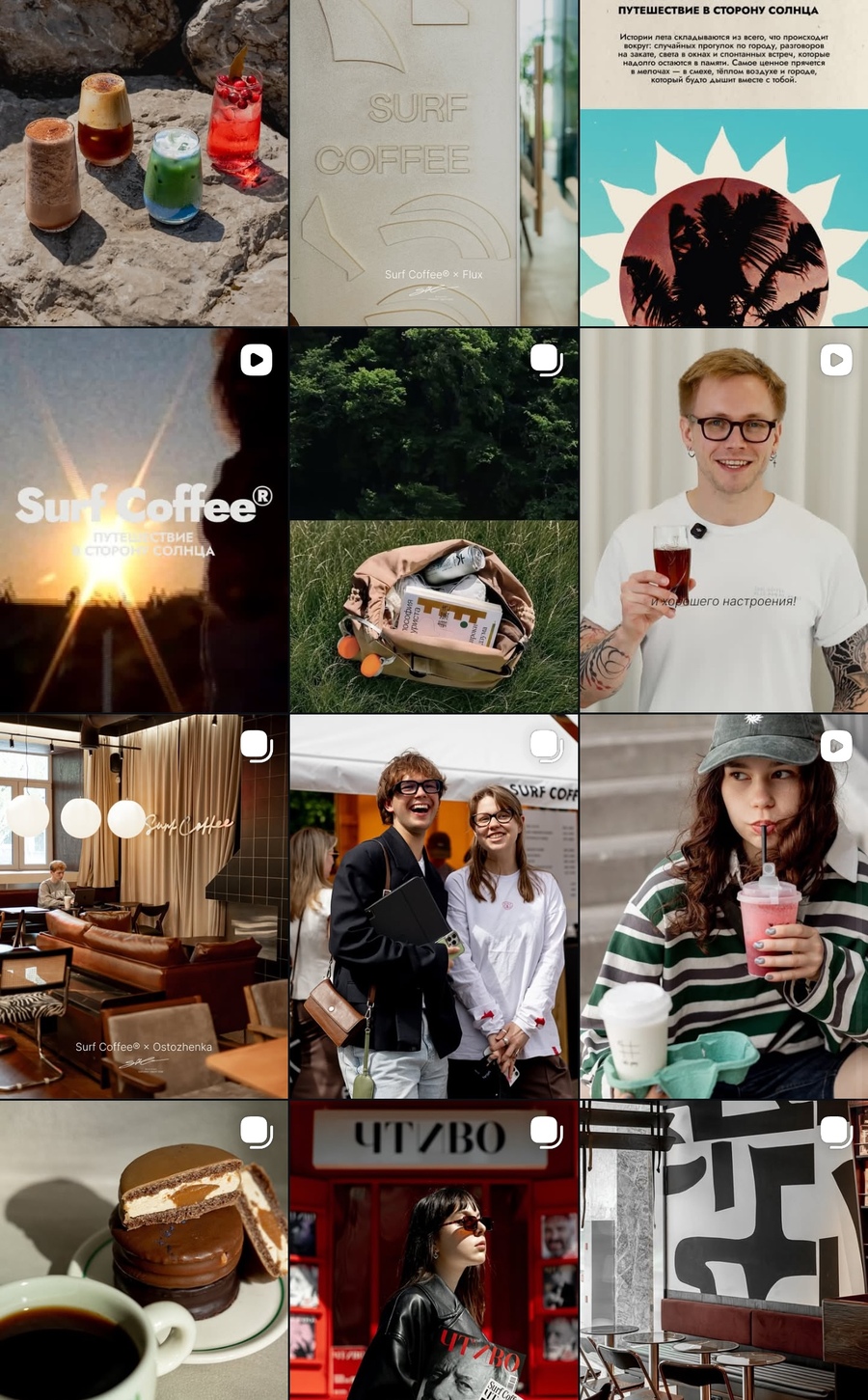
Instagram plays a central role in Surf Coffee’s communication strategy. Instead of focusing only on coffee products, the company publishes lifestyle photography, artistic visuals, travel inspiration, customer stories, and behind-the-scenes content. The visual style is highly recognizable through: • warm color palettes • natural lighting • vintage editing • minimalistic typography • authentic emotions This strategy helps build emotional engagement rather than direct advertising.

*The social network belongs to Meta, a company recognized as extremist in Russia.
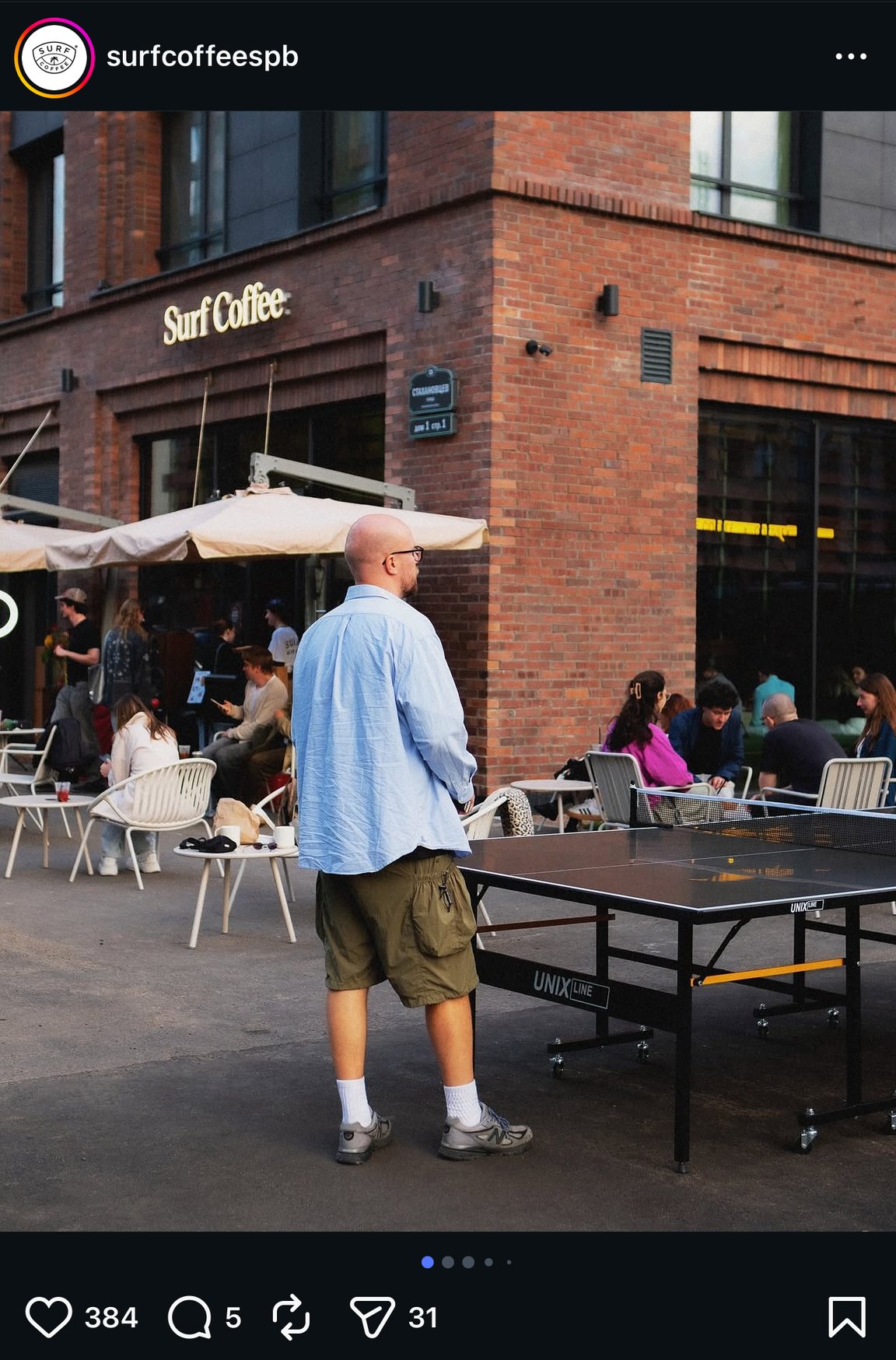
0

screenshots from instagram «surf coffee»

Official Website

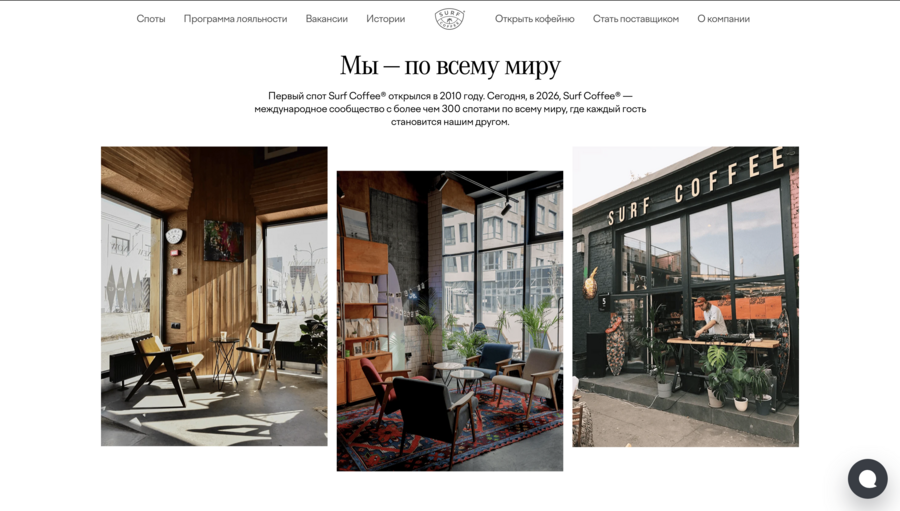
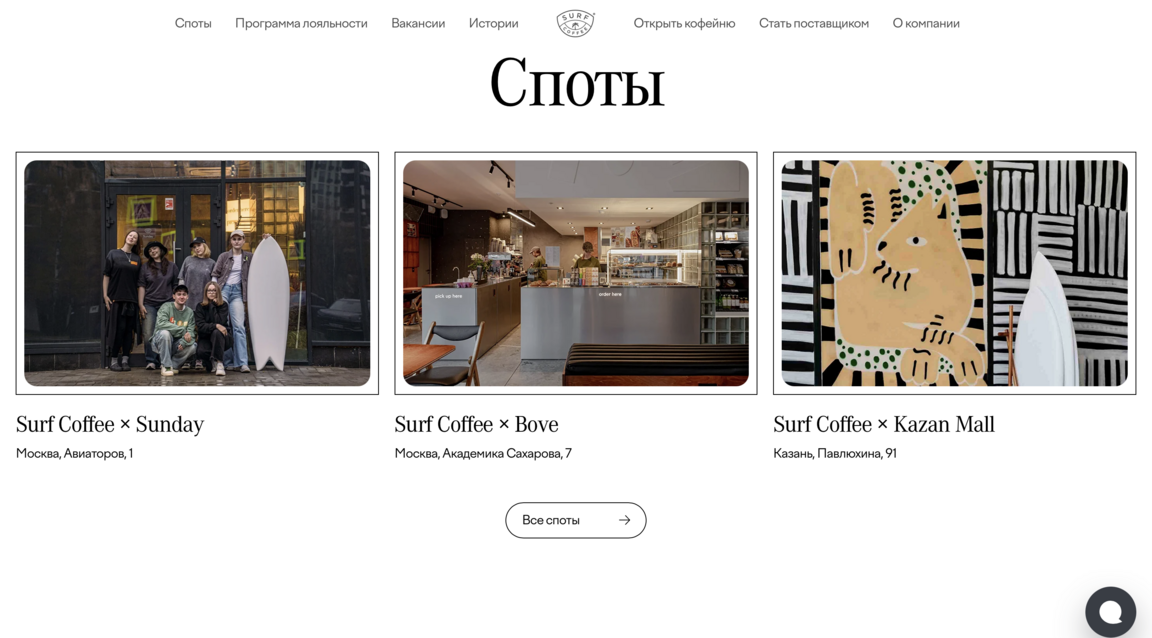
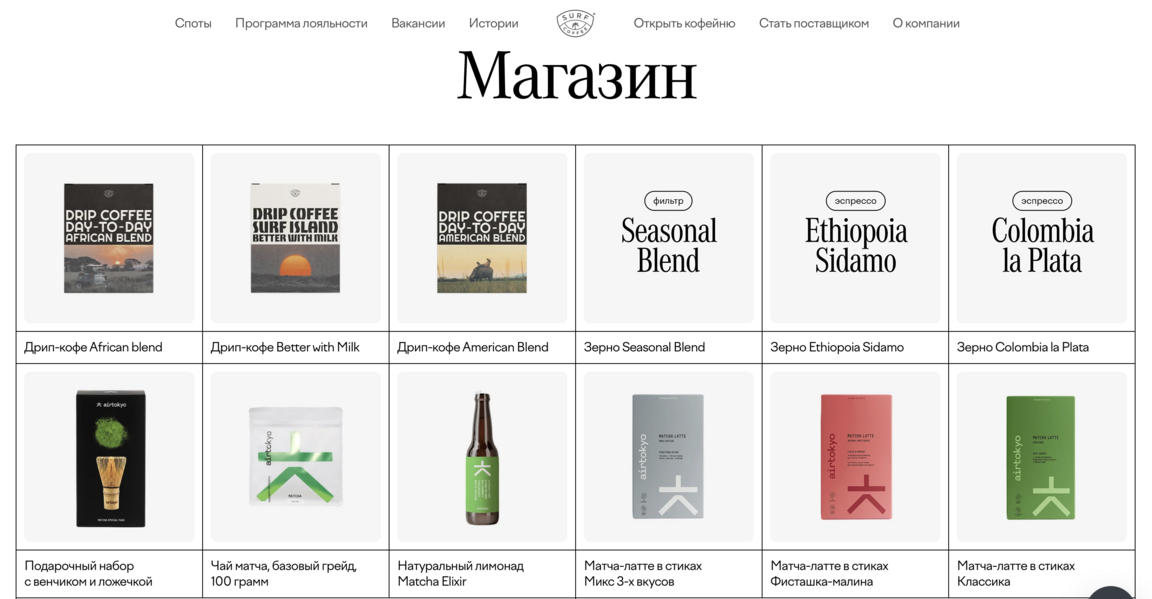
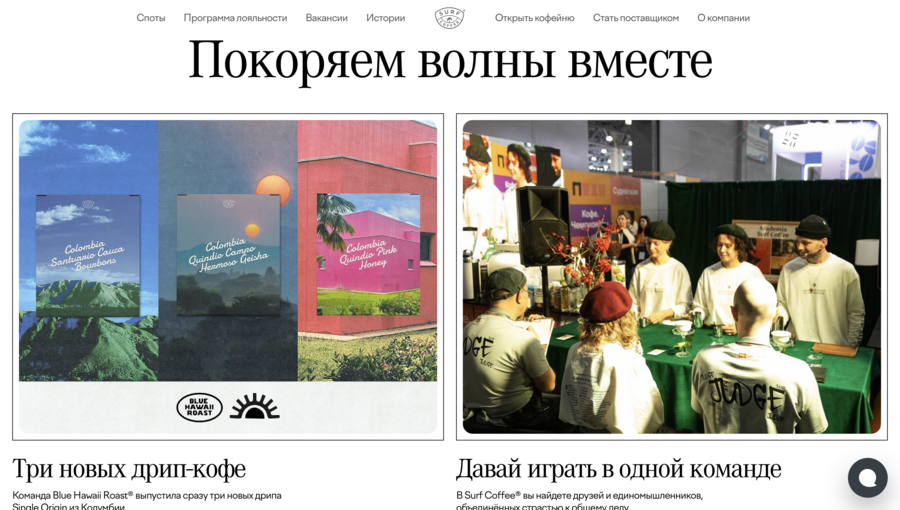
The Surf Coffee website reflects the same visual identity found in its coffee shops and social media. The design is clean, modern, and easy to navigate. Visitors can: • explore the menu • locate nearby cafés • learn about the company • purchase merchandise • discover franchise opportunities The website reinforces the company’s premium image while maintaining a friendly and approachable atmosphere.
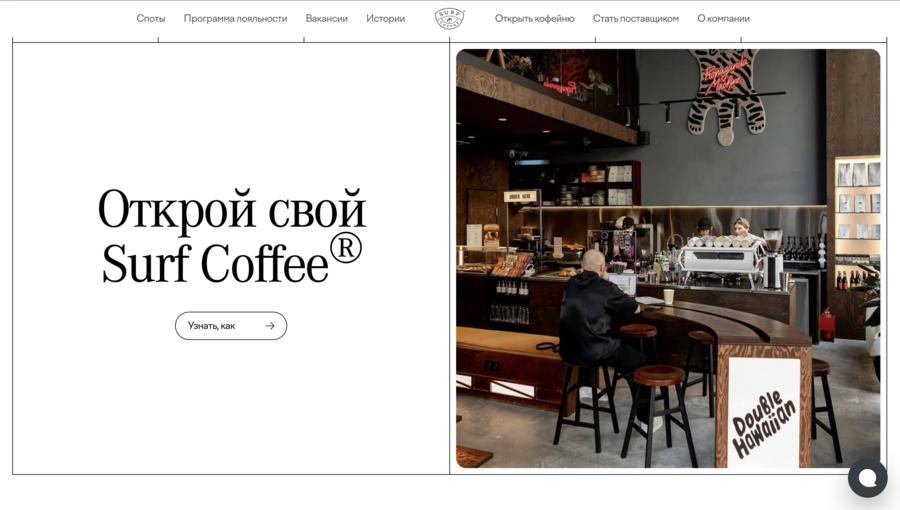
0

screenshots from Surf Coffee website

Coffee Shops as Communication Spaces

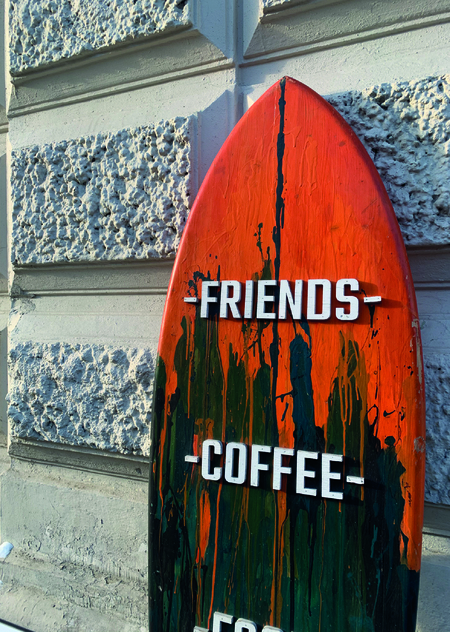
Surf Coffee spots themselves function as powerful communication channels. Every interior is carefully designed to express the brand’s identity through: • natural materials • warm lighting • surf-inspired decoration • music playlists • branded packaging • friendly barista interactions These physical spaces allow customers to experience the brand beyond digital media. Surf Coffee’s tone of voice is very friendly and inspiring. They talk to the audience like friends. The spot environment strengthens emotional attachment and encourages repeat visits.

Surf Coffee successfully combines digital and physical communication into one consistent brand experience. Its strategy focuses on emotional storytelling rather than traditional advertising. Across all communication channels, the company consistently promotes the same values: • freedom • creativity • community • positive emotions This consistency strengthens brand recognition and customer loyalty, making Surf Coffee one of the most distinctive lifestyle coffee brands in its market.

Theoretical Framework

Uses and Gratifications Theory

This theory argues that audiences are active participants in communication. People consciously choose media and communication channels that satisfy specific needs, including entertainment, social interaction, identity formation, and emotional experience. Rather than passively receiving messages, individuals seek content that provides value and personal meaning.

Social Identity Theory

Social Identity Theory explains how people construct their self-concept through membership in social groups. Individuals tend to identify with groups that reflect their values and beliefs. This group affiliation contributes to self-esteem and influences attitudes, preferences, and behavior. Brands can function as symbolic communities that help consumers express identity and social belonging.

These theories were selected because Surf Coffee positions itself not only as a coffee brand but also as a lifestyle community. Therefore, both audience motivations and group identity formation are central to understanding its communication strategy.

Analysis

Surf Coffee Through the Lens of Communication Theory

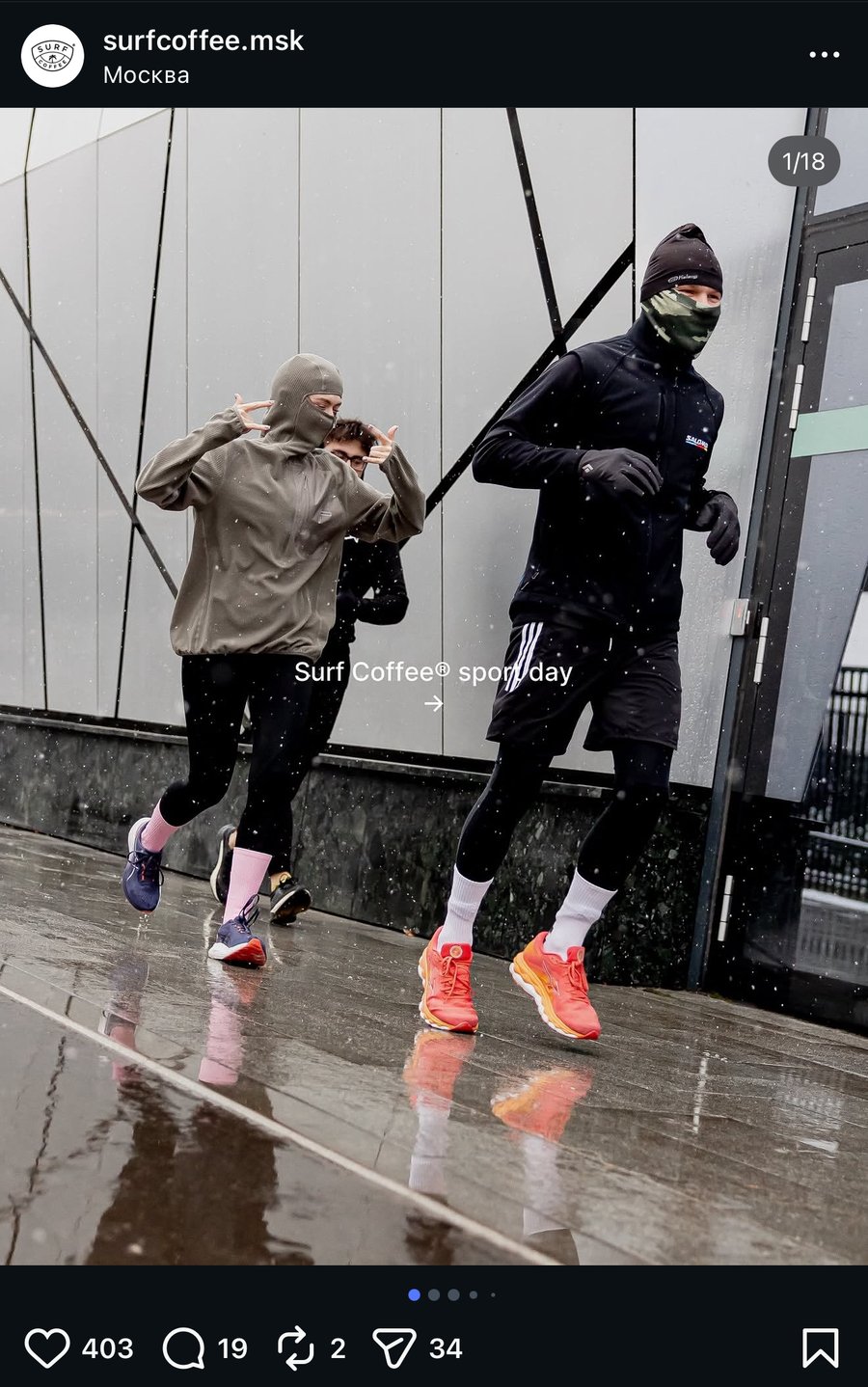
Lifestyle-oriented Instagram content published by Surf Coffee

Surf Coffee provides a strong example of how contemporary brands use communication to create emotional engagement and community. The brand rarely focuses exclusively on coffee products. Instead, its communication strategy promotes a lifestyle associated with freedom, creativity, travel, youth culture, and self-expression.

The post provides inspiration and emotional engagement rather than direct product promotion. According to Uses and Gratifications Theory, such content satisfies users' needs for entertainment, identity formation, and lifestyle aspiration.

post

From the perspective of Uses and Gratifications Theory, Surf Coffee satisfies several audience needs simultaneously. Through social media content, visual storytelling, branded merchandise, and carefully designed interiors, the brand offers entertainment, inspiration, and opportunities for social interaction. Consumers engage with Surf Coffee not only because they want coffee but also because they seek experiences and values represented by the brand.

post

Social Identity Theory helps explain the strong loyalty of Surf Coffee customers. The company has created a recognizable symbolic community through consistent visual language, surf-inspired aesthetics, events, collaborations, and merchandise. Customers who share these values can identify themselves as part of the Surf Coffee community. Visiting the coffee shop becomes more than a purchasing decision; it becomes a way of expressing personal identity and belonging.

The interaction between these two theories is particularly important. Uses and Gratifications Theory explains why consumers are initially attracted to the brand, while Social Identity Theory explains why they often remain loyal. Surf Coffee successfully transforms ordinary coffee consumption into a shared cultural experience that provides both personal satisfaction and social meaning.

post

Evidence of this strategy can be observed in the brand’s Instagram posts, event announcements, collaborations, branded products, and interior design. These communication elements consistently reinforce the same lifestyle narrative and strengthen the connection between consumers and the brand.

Therefore, Surf Coffee demonstrates how communication can function not only as a marketing tool but also as a mechanism for creating emotional attachment, social identity, and long-term customer loyalty.

Conclusion

post

Surf Coffee has developed a recognizable communication strategy based on emotional branding and a strong visual identity. The company maintains a consistent style across all communication channels, including social media, the website, the mobile application, and cafe interiors. This approach creates a sense of community and increases customer loyalty.

Main disadvantages

Despite its successful communication strategy, the brand faces several limitations. Most content focuses on aesthetics and lifestyle rather than educational information or product storytelling. In addition, interaction with local communities could be more active, and digital services could provide a higher level of personalization.

Recommendations

To improve communication effectiveness, the following recommendations are proposed: — increase educational content about coffee and coffee culture; — make greater use of user-generated content and customer stories; — develop more local events and partnership projects; — introduce personalized offers through the mobile application; — expand the brand’s presence on emerging digital platforms to attract younger audiences.

The result of the study

Surf Coffee successfully uses modern visual communication tools and the principles of emotional branding. The application of Uses and Gratifications Theory and Social Identity Theory confirms that the brand not only promotes its products but also builds an active community based on shared values and lifestyle. The proposed recommendations can strengthen audience engagement and further improve the communication strategy.

Final conclusion

Surf Coffee is an example of an effective combination of visual design, digital technologies and community building. Thanks to consistent branding and active interaction with the audience, the company forms long-term relationships with consumers and maintains competitive advantages in the market.

Библиография
1.

Surf Coffee®. Официальный Instagram-аккаунт. URL: https://www.instagram.com/surfcoffee/ (дата обращения: 14.06.2026).

2.

Surf Coffee®. Официальный Telegram-канал. URL: https://t.me/surfcoffee (дата обращения: 14.06.2026).

3.

Surf Coffee®. Официальное сообщество VK. URL: https://vk.com/surfcoffee (дата обращения: 14.06.2026).

4.

Surf Coffee®. Официальный сайт. URL: https://surfcoffee.ru (дата обращения: 14.06.2026).

5.

Blumler J. G., Katz E. The Uses of Mass Communications: Current Perspectives on Gratifications Research. Beverly Hills: Sage Publications, 1974. 320 p.

6.

Tajfel H., Turner J. C. The Social Identity Theory of Intergroup Behavior // Psychology of Intergroup Relations / ed. S. Worchel, W. G. Austin. Chicago: Nelson-Hall, 1986. P. 7–24.

7.

Kotler P., Keller K. L. Marketing Management. 15th ed. Harlow: Pearson Education, 2016. 832 p.

8.

Aaker D. A. Building Strong Brands. New York: Free Press, 1996. 380 p.

9.

Kapferer J.-N. The New Strategic Brand Management: Advanced Insights and Strategic Thinking. 5th ed. London: Kogan Page, 2012. 512 p.

10.

Hall S. Representation: Cultural Representations and Signifying Practices. London: Sage Publications, 1997. 400 p.