Navigation Menu
- Concept
- Women — Deficiency — Fear
- Men — Acceptance — Adoration
- Conclusion
- Bibliography
- Image Sources
Concept
Hypothesis
In skincare advertising, the female audience often encounters messaging centered on the need to correct their appearance, whereas the male audience is presented with images of approval, strength, and exceptionalism.
«You need to fix yourself» versus «You are already worthy of admiration”—two completely different messages that advertising can use to sell the same product: skincare.
Why do we buy cosmetics?
Cosmetics have long ceased to be merely a means of hygiene and personal grooming. Today, brands sell not only creams, deodorants, and shaving products, but also the associated notions of beauty, confidence, attractiveness, and social recognition.Advertising shapes specific expectations of human appearance. It can convince the consumer that their body requires change, or conversely, it can emphasize individuality and existing strengths.It is interesting to examine how these advertising strategies differ depending on the target audience’s gender.
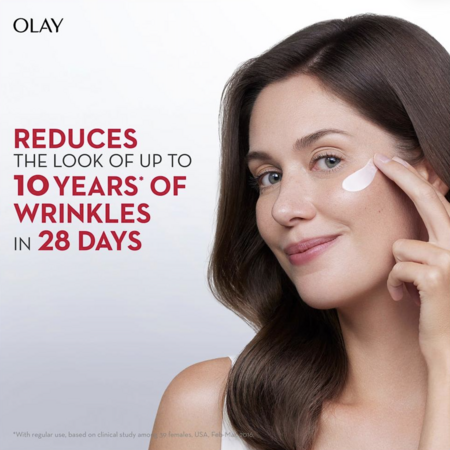
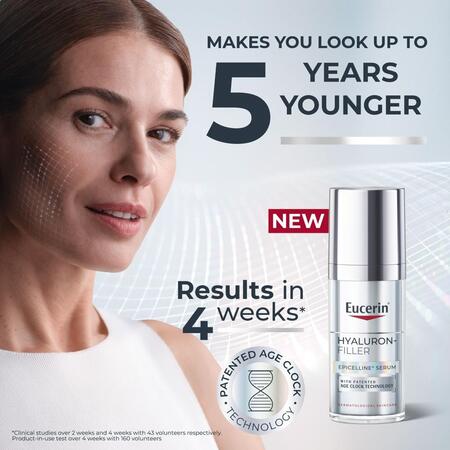
In advertising for women’s cosmetics, natural features of appearance often become problems that require a solution. Body hair, cellulite, wrinkles, and age-related changes can be presented as flaws that prevent women from meeting societal beauty standards. Advertising doesn’t just suggest improving appearance; it aims to alleviate the discomfort associated with one’s own looks. In this way, the cosmetic product becomes the solution to a problem that advertising itself helps to articulate.
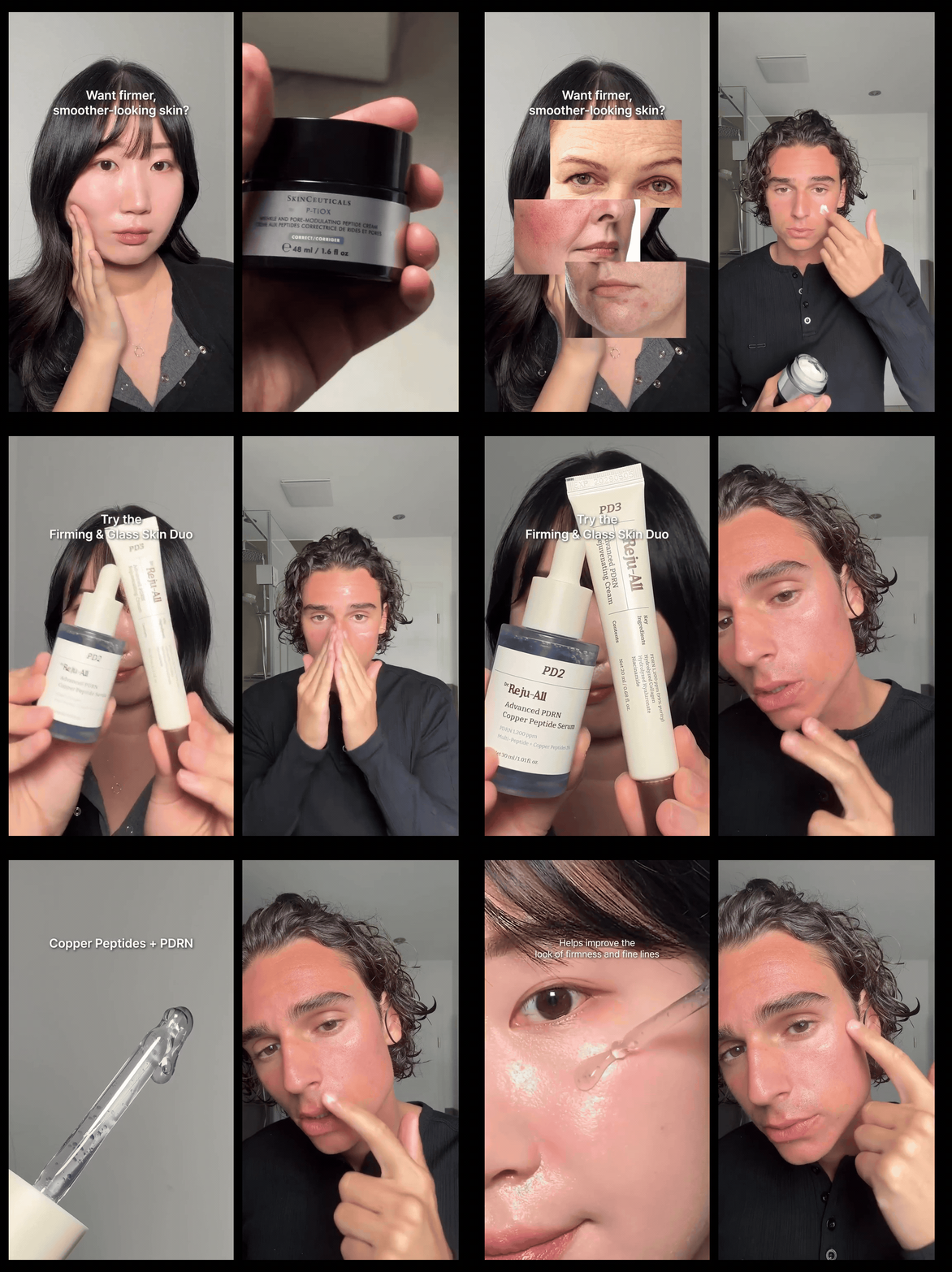
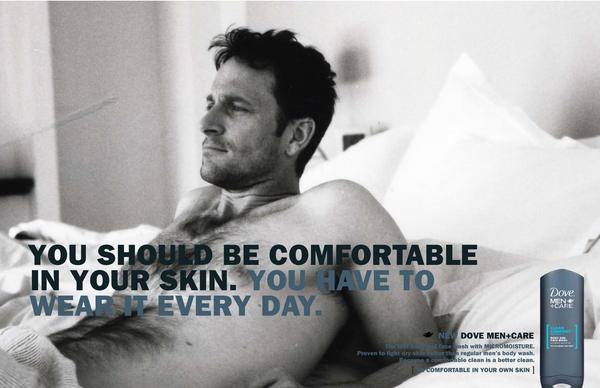
In men’s advertising, you can find a contrasting strategy. Instead of focusing on flaws, brands appeal to a man’s individuality, strength, confidence, and accomplishments. Self-care is presented not so much as a necessity to correct appearance, but as an opportunity to emphasize one’s own appeal.
The core contradiction
Women may be offered cosmetics so that they stop being inadequate, while men may be offered them so that they become even better.

How significantly do the emotions brands attempt to evoke differ in their marketing of cosmetic products?
This is the central question of the work. This research provides the answer.
First, I will examine female skincare advertising from 2015–2026. Using examples from Russian and international campaigns, I will trace how advertising messages shift from inducing slight awkwardness to addressing more profound concerns related to appearance and social acceptance.Next, I will turn to men’s cosmetic advertising during the same period. This research will move in an opposite direction: from the approval of daily grooming to the construction of an idealized male image.In each section, I will analyze the advertising slogans, visual imagery, compositional techniques, character behavior, and brand promises. Special attention will be paid to how the person is portrayed before using the product and what transformations the advertisement promises them.In conclusion, I will attempt to answer: why does female appearance become an object of criticism in the selected advertising campaigns, while masculine individuality becomes an object of admiration? And how are positive and negative emotions utilized to cultivate a need for cosmetic products?
(02) Women
Insufficient
«Something is wrong with you. It needs to be fixed.»
Advertising focuses on natural feminine characteristics and presents them as flaws that must be eliminated.
«Wrinkles on your face—that’s a problem that needs solving.»
This is a less aggressive, yet visually engaging way to establish inadequacy: humor-based advertising creates the problem itself and immediately offers a solution.
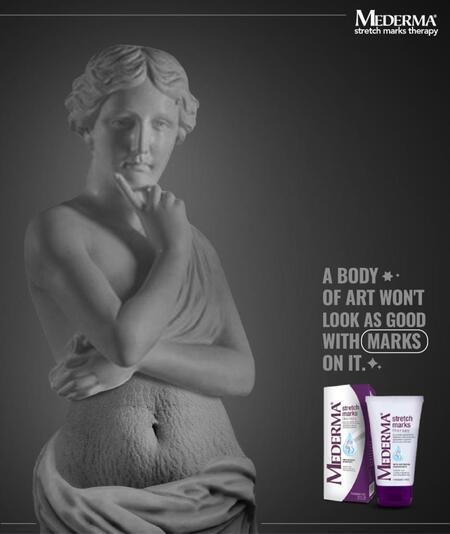
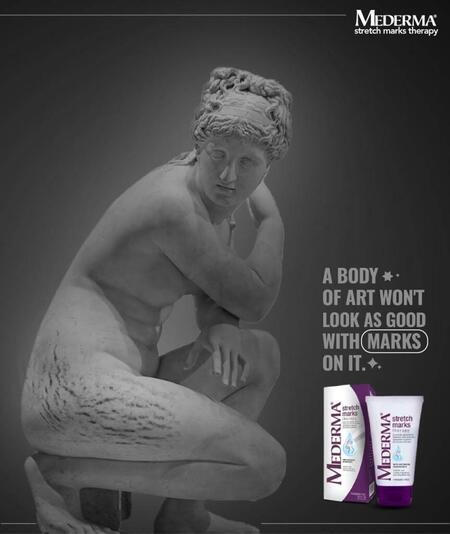
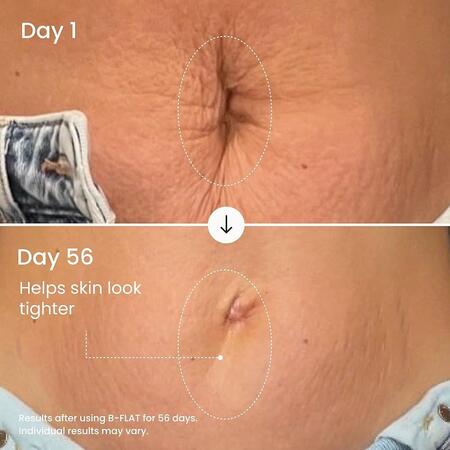
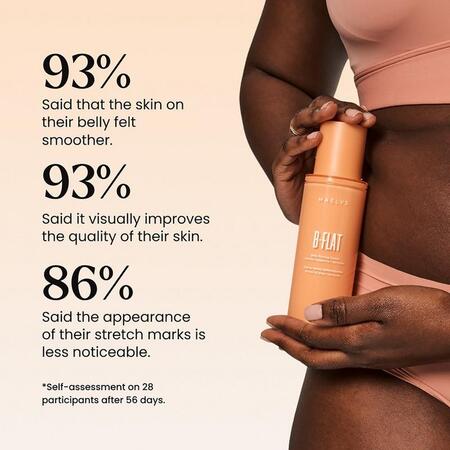
«After pregnancy, your body doesn’t look as toned as it should. It needs to be brought back in shape.»The brand avoids direct insult but frames physiological body changes as a problem through comparison.