Главная идея исследования:
to explore how contemporary photography is evolving in Mongolia, what themes local photographers choose, how they portray their country, and how their work is transformed into photobooks.
Research Concept
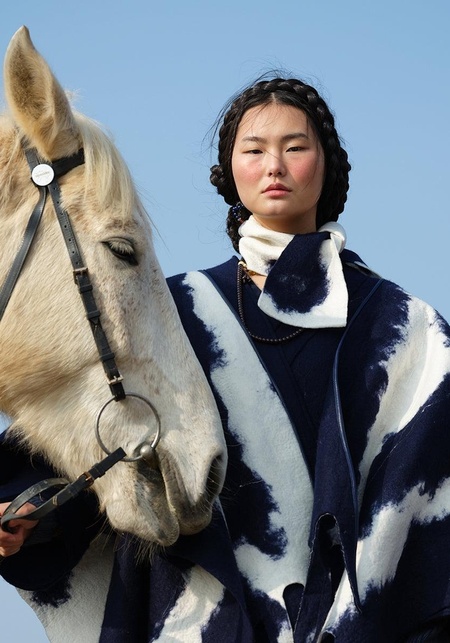
Mongolia is often perceived through familiar visual tropes: endless steppes, nomads, yurts, horses, and a traditional way of life. However, modern Mongolia is far more diverse, and its photographic culture is not limited to ethnographic or tourist imagery. Over recent decades, photography has become a means to document societal changes, preserve daily life, explore the urban environment, and shape the nation’s contemporary visual identity.
The core hypothesis is that modern Mongolian photography is gradually moving beyond the traditional depiction of national culture to become an independent means of speaking about the country’s present-day life. Through the work of local photographers, one can see not only nature and cultural heritage, but also social shifts, life in Ulaanbaatar, human interaction with the environment, the quotidian existence across different generations, and the search for a modern Mongolian identity.
In this research, I will primarily focus on Mongolian photographers and projects created domestically. Special attention will be given to photographic books, local publishing houses, archives, exhibitions, and professional associations. International collaborations and projects by foreign artists who have worked in Mongolia will also be examined to compare the external view of the country with how it is portrayed by Mongolian photographers themselves.
For image selection, I will use photographs from personal projects, photographic books, exhibition catalogs, archives, and publications from photographic organizations. A crucial criterion will not only be image quality but also its relevance to the research topic, the artist’s perspective, and its capacity to trace the evolution of perceptions of Mongolia through the visual narrative.
Historical and Cultural Context of Mongolia
Historical and Cultural Context
(Late 19th — Early 20th Century)
In the late 19th century, Mongolia began to attract the interest of foreign travelers, researchers, and scientific expeditions. Photography was gradually transforming into a crucial method for documenting the territory, population, and daily life of the country.The first known photographic evidence of Mongolia was created primarily by foreign researchers. Among the photographers and expedition participants mentioned are A. N. Boyarsky, S. M. Dudin, A. V. Adrianov, N. A. Charushin, and V. V. Lanin.These photographs captured not only the external appearance of the people but also their clothing, dwellings, architecture, household items, and traditions. Today, they serve as historical documents, allowing for the study of changes in Mongolian society and the specifics of its visual representation.
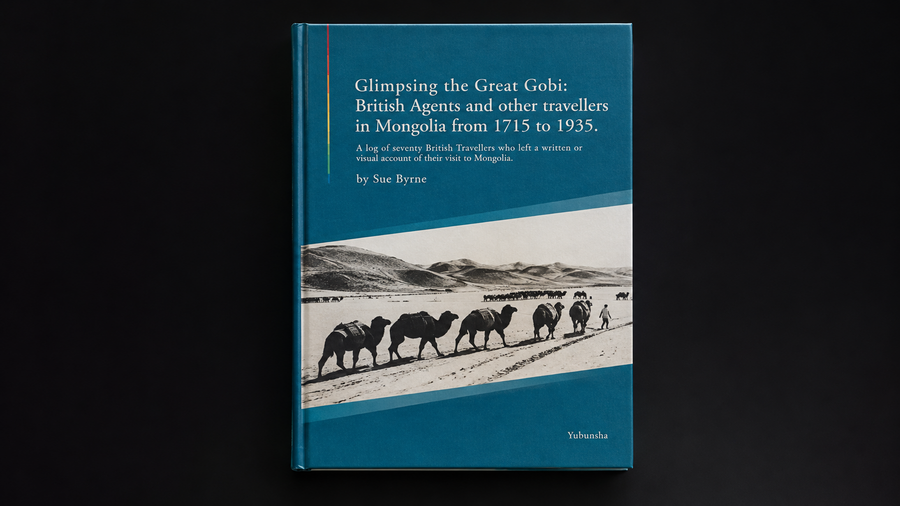
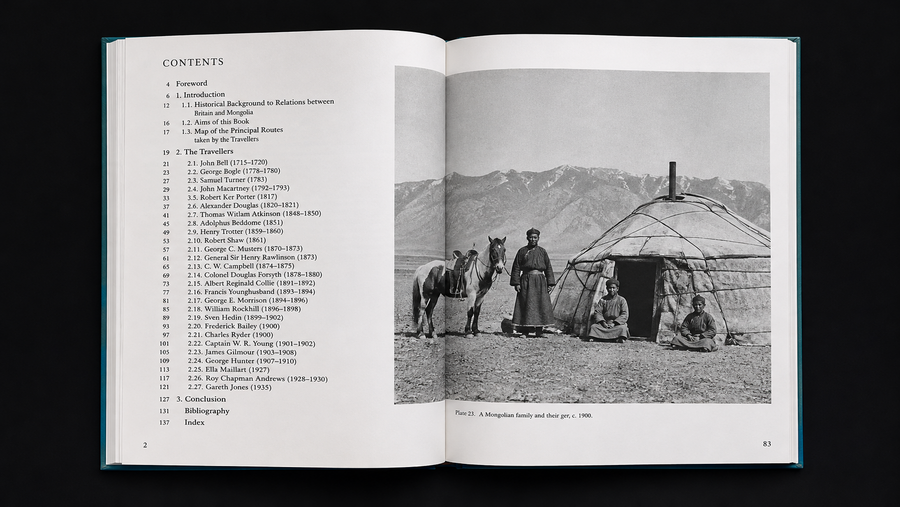
Sue Byrne. «Gaze on the Great Gobi, ” 2022. Historical photographs of Mongolia from the late 19th to early 20th century.
One source of visual material for the research was Sue Byrne’s book, Glimpsing the Great Gobi (2022). It compiles accounts from British travelers who visited Mongolia between 1715 and 1935. The photographs, drawings, and maps allow us to examine how foreign authors documented the Mongolian territory, architecture, and daily life.
The historical images present Mongolia through the perspective of international travelers. Therefore, it is important to consider them not only as documentary evidence but also as a reflection of the authors’ own ideas and interests.
Sue Burn. «View of the Great Gobi,» 2022. Historical photographs of Mongolia from the late 19th to early 20th centuries.
The selection of visual material is based on a combination of historical significance, authenticity, and representativeness of photographs depicting Mongolia from the late 19th to the early 20th century. The main criteria included:
1) Historical and documentary value. The study incorporates photographs, drawings, and archival images that allow for the reconstruction of the visual image of Mongolia during the period under consideration. Special attention is paid to materials that document the traditional way of life, architecture, clothing, religious practices, and daily routines of the Mongolian population. Sue Byrne’s book, Glimpsing the Great Gobi: British Agents and Other Travellers in Mongolia from 1715 to 1935, is used as a primary source.
2) Reflection of the cultural and social characteristics of Mongolia. The visual material is selected based on its ability to reveal different facets of Mongolian society: nomadic pastoralism, the structure of traditional dwellings, family relations, Buddhist culture, urban environments, and human interaction with the natural landscape. This allows for the presentation of Mongolia not only through isolated ethnographic images but also through the daily life of its people.
3) Characteristics of the photographic gaze and visual language. Specific attention is given to how foreign travelers and researchers depicted Mongolia. The composition of historical images, the posed versus documentary nature of portraits, the angle, the organization of space, and the selection of subjects are examined. This helps to understand how the country’s external visual image was formed and what perceptions of Mongolia were conveyed through photography.
From Expedition Photography to National Photojournalism (1940s–1960s)
During the 1960s and 1980s, Mongolian photography actively developed as a professional pursuit. Photographers increasingly worked directly for newspapers, magazines, and state information agencies.
In the 1970s, the photojournalism genre solidified, and photographs of public events, labor life, urban development, and daily routines began to be published regularly. Training specialists in photojournalism started taking place abroad.
In 1979, the State Photographic Directorate was merged with the Chief Editorial Office of radio and television photography. Photographic archives became an important part of preserving the nation’s history.
Mongolia in 21st-Century Photography: Between Tradition and Modernity (2000s–2010s)
Ulaanbaatar, Black Market, 1994. A panorama composed of three photographs. Jim Anderson.
In the 1990s, Mongolia underwent profound political and social transformations. The transition from a socialist system to democracy and a market economy altered the established way of life, society, and the country’s visual culture. Photography gradually moved beyond the scope of official chronicles and documentation of events. Photographers began focusing on the everyday lives of people, the urban environment, national identity, and personal stories. Photography thus evolved from merely a means of preserving what was happening into an autonomous, authorial statement.
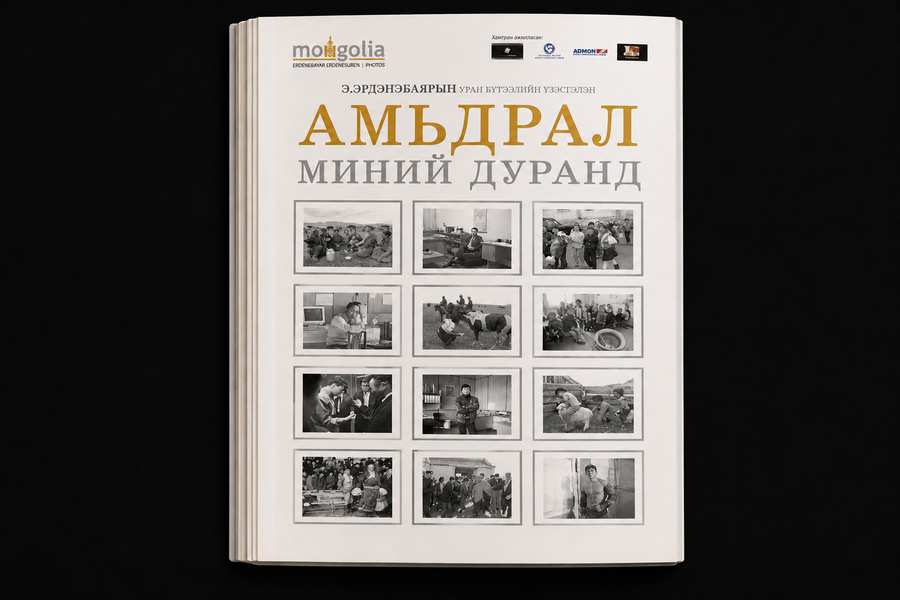
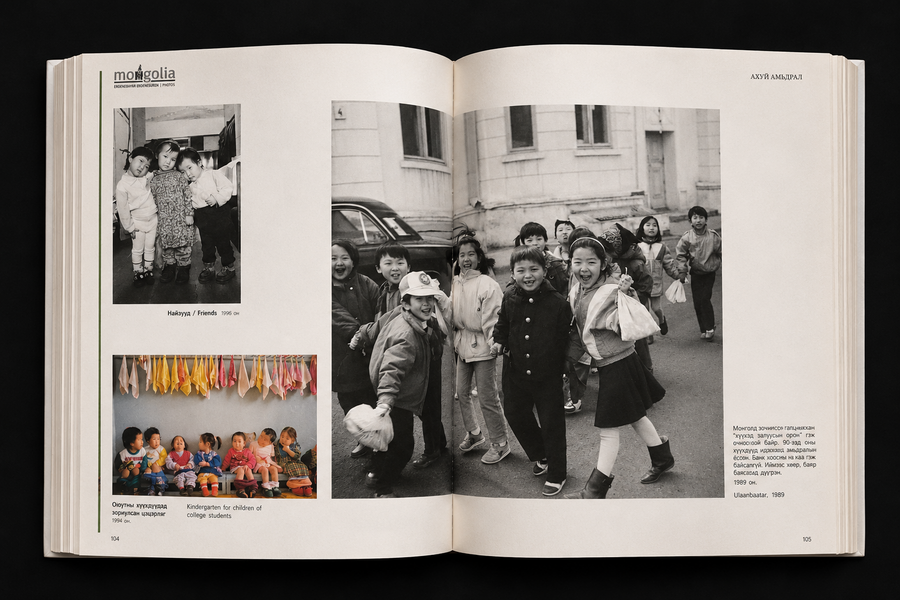
E. Erdenebayar. «My Spirit Animal.» Photographic Album. Mongolia.
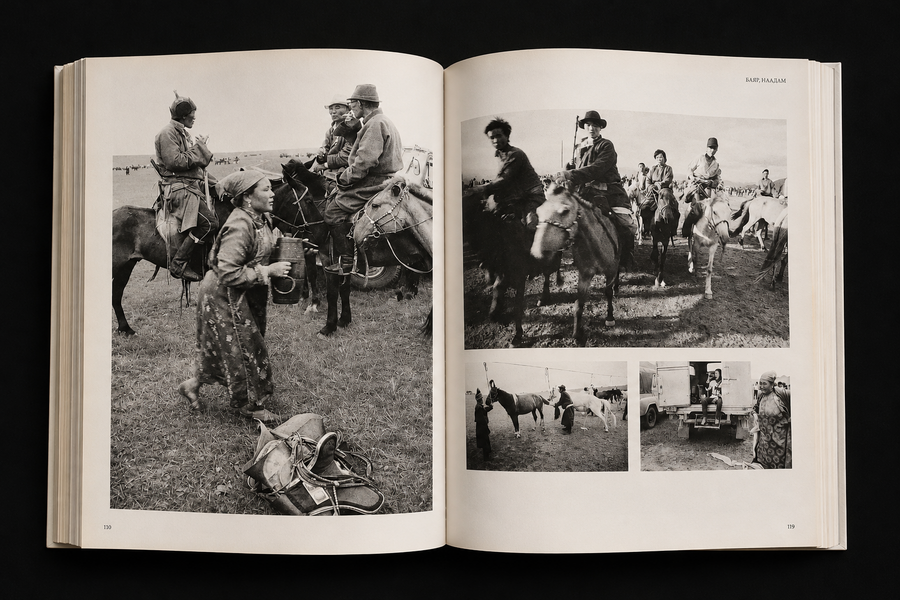
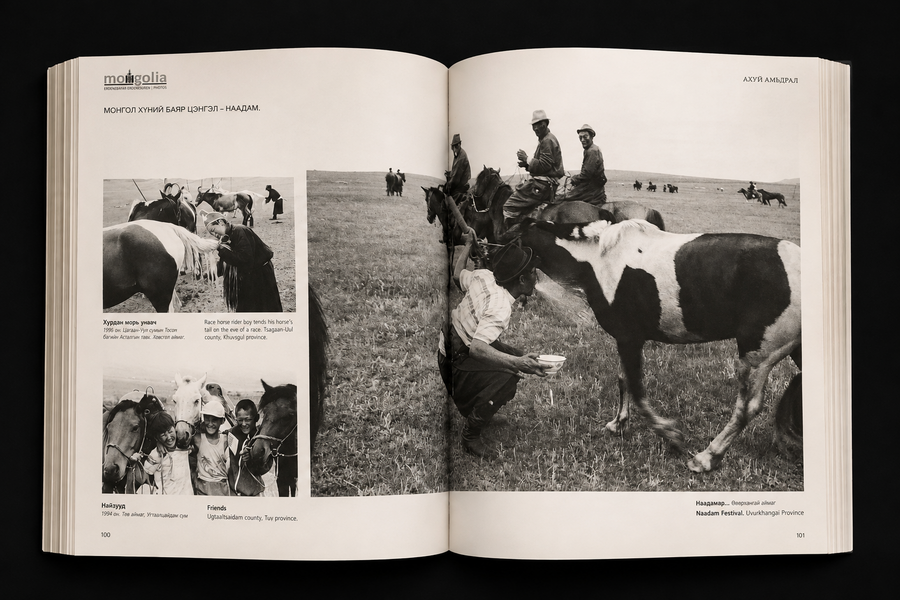
E. Erdenebayar. «My Dear Friend.» Photographic Album. Mongolia.
The album presents Mongolia through the everyday lives of its residents. The photographs feature people from different generations, rural life, the urban environment, national holidays, and traditions. The author captures not only the country’s cultural heritage but also the changes occurring in society. This allows one to see Mongolia through the photographer’s personal observations, rather than just through the familiar images of the steppe and nomadic culture.
Virginia Khuri. Outer Mongolia: Notes from the Back of Beyond. A photo book about Mongolia.
While E. Erdenebayar’s album portrays Mongolia through the daily lives of its residents, the following book invites us to view the country through the eyes of a foreign photographer. Virginia Khuri’s Outer Mongolia: Notes from the Back of Beyond focuses on the nature, people, and atmosphere of Mongolia. This shift allows for a comparison of how the same region is perceived by a local author versus an outside photographer.
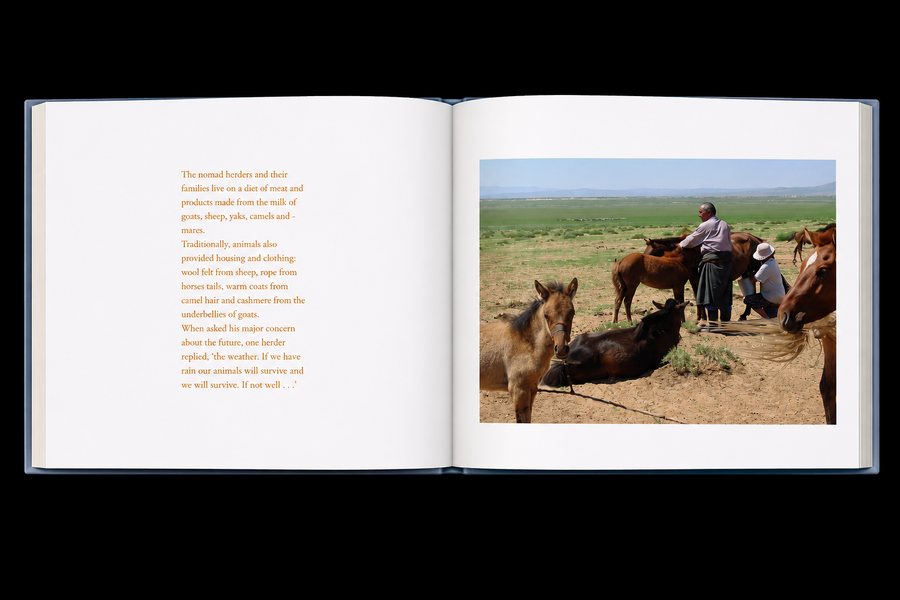
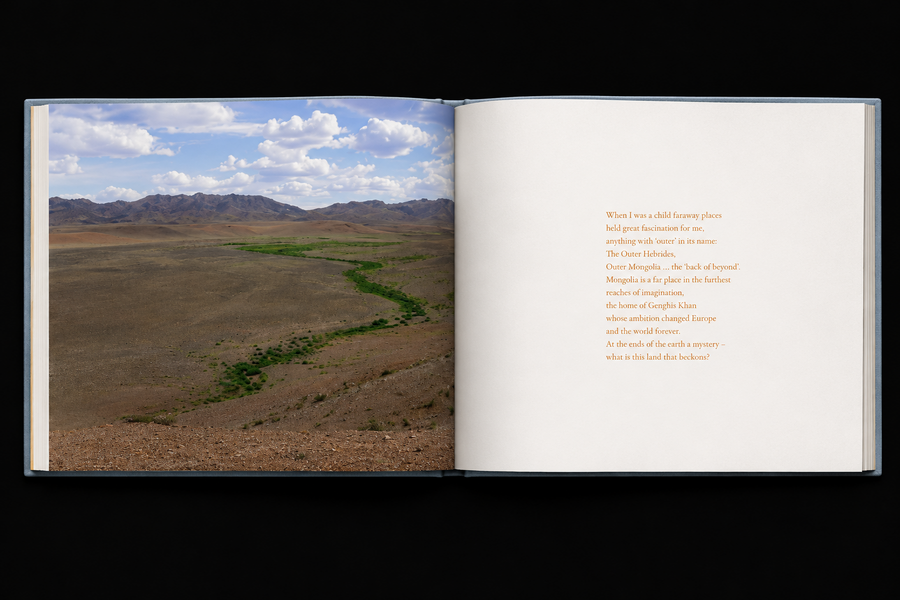
Virginia Khuri. Outer Mongolia: Notes from the Back of Beyond. A Photo Book about Mongolia.
Photographs of modern Mongolia and a disappearing way of life
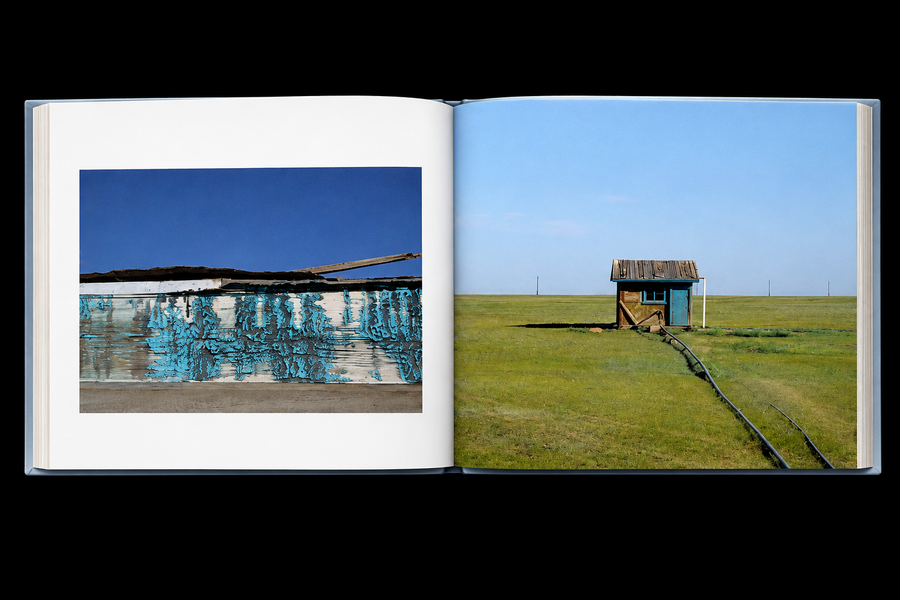
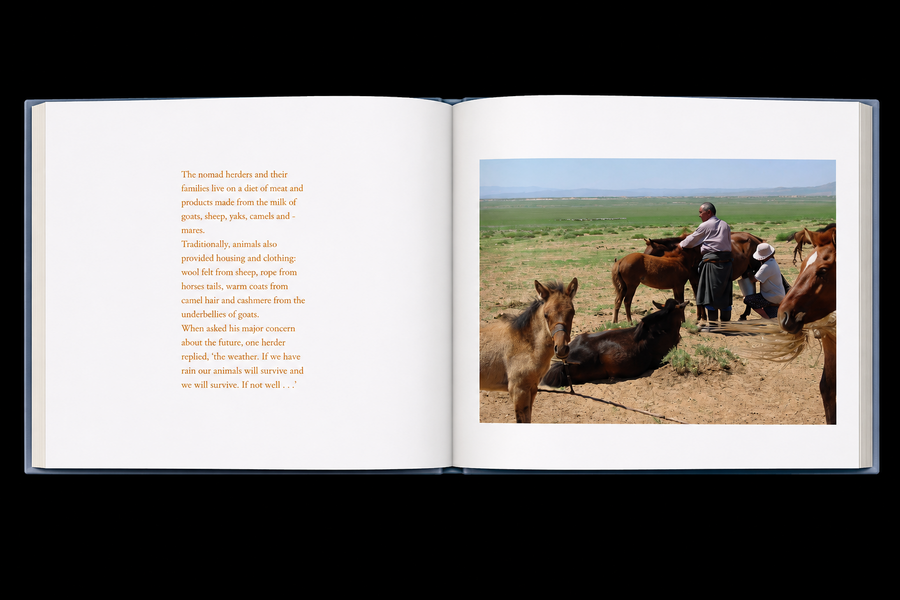
Virginia Khuri. Outer Mongolia: Notes from the Back of Beyond. A photographic book about Mongolia.
In the book «Outer Mongolia: Notes from the Back of Beyond,» Virginia Huri depicts the lives of ordinary people in Mongolia. The photographs capture nomads, yurts, horses, steppe landscapes, and traditions. The author focuses on the daily life and culture of the country, which are undergoing gradual change. Through these photographs, one can gain a deeper understanding of how people live in Mongolia and what makes its culture so unique.
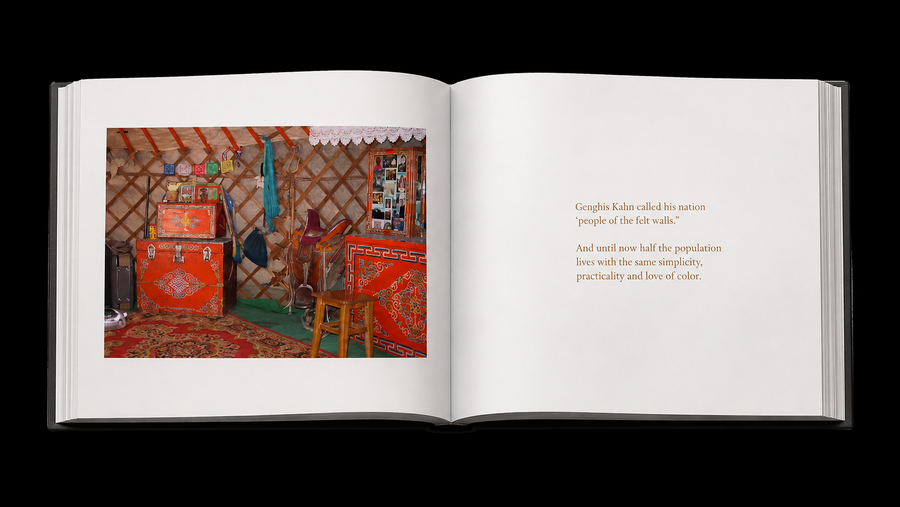
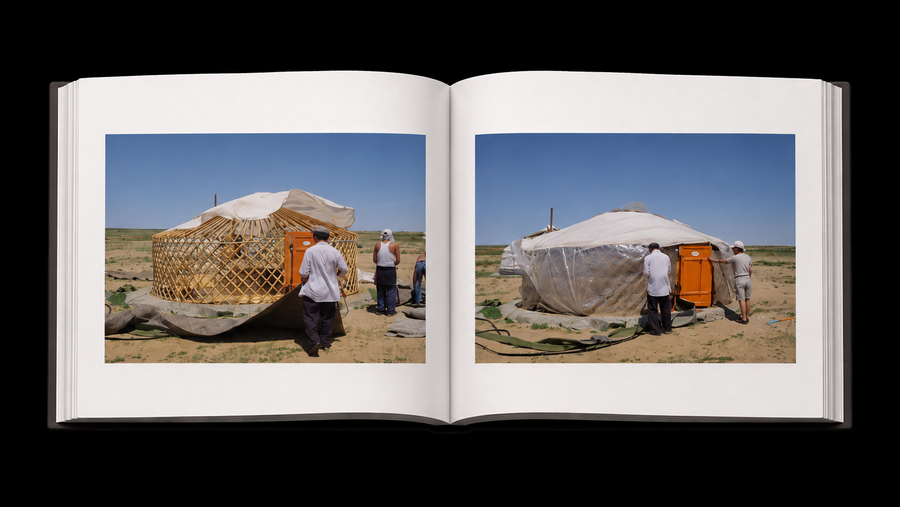
Virginia Khuri. Outer Mongolia: Notes from the Back of Beyond. A Photo Book about Mongolia.
Frédéric Lagrange — «Mongolia»
Frédéric Lagrange — «Mongolia, ” 2018. Photographs of daily life, people, and the nature of Mongolia.
In this photo book, the photographer showcases Mongolia through portraits of its people and the country’s landscapes. The shots feature nomads, local residents, lakes, and vast steppes. The author conveys the beauty of nature and the characteristics of daily life in Mongolia, presenting its culture through real stories and human imagery.
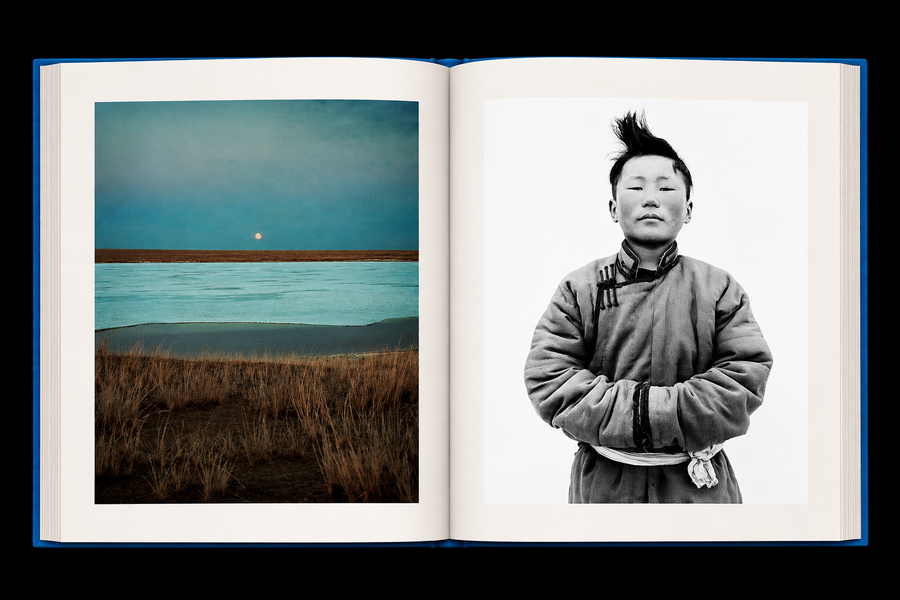
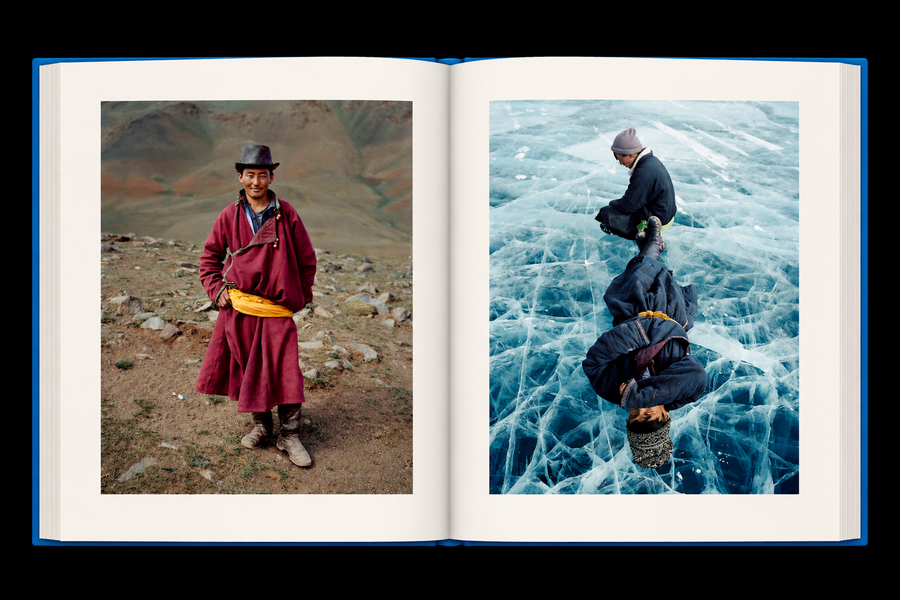
Frederic Lagrange — «Mongolia, ” 2018. Photographs of daily life, people, and nature in Mongolia.
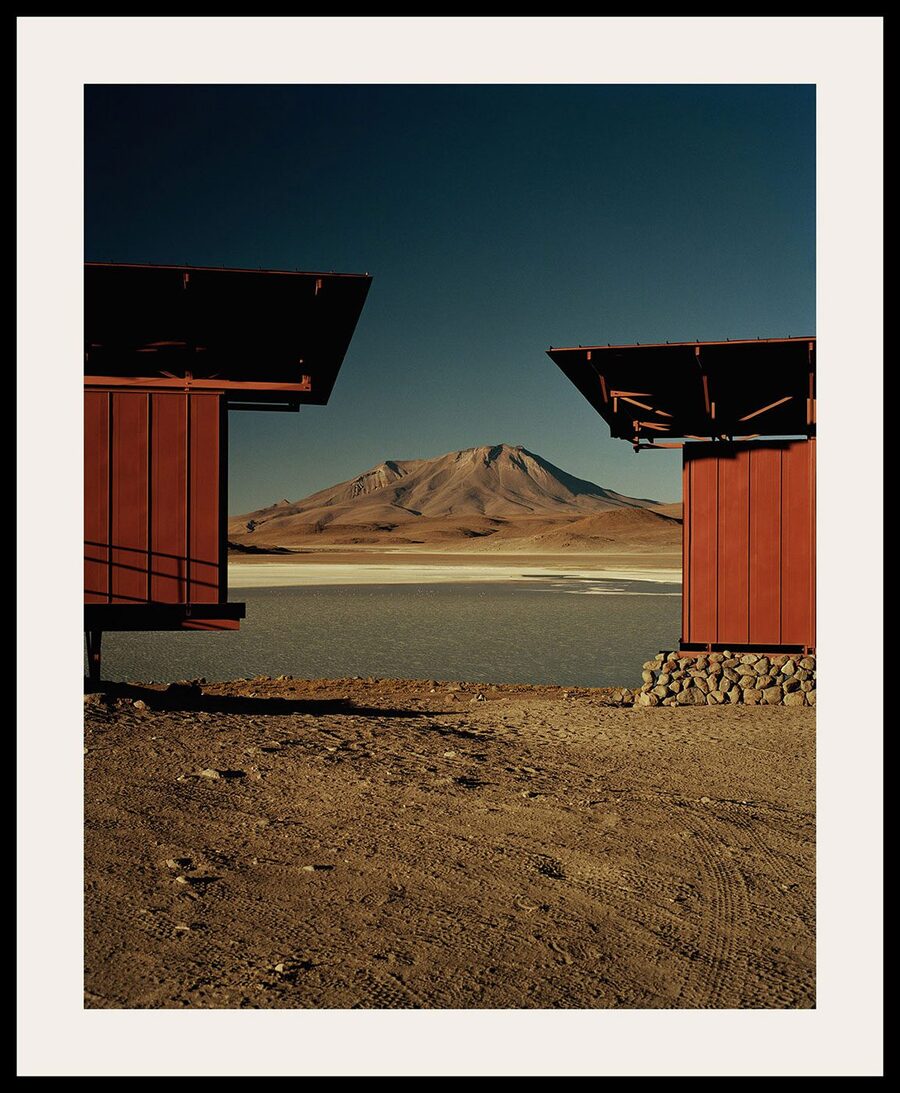
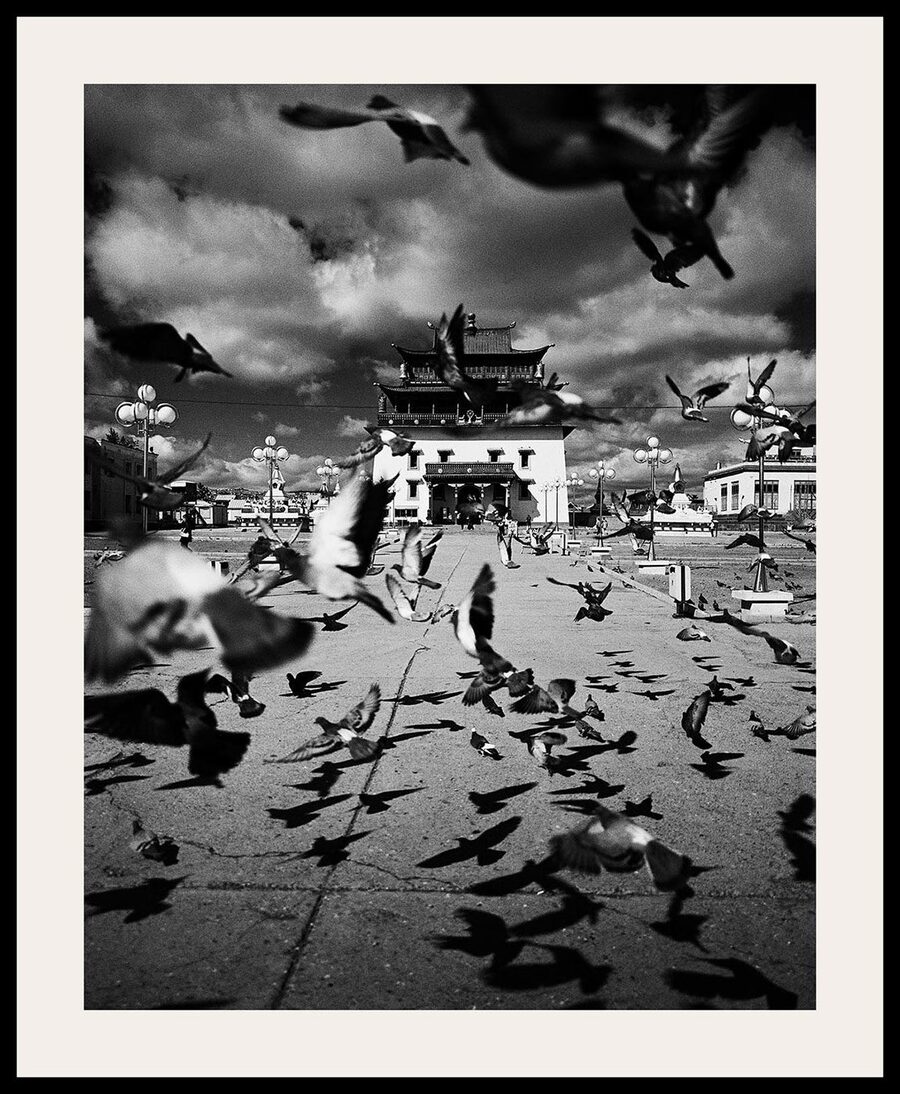
Frédéric Lagrange — «Mongolia,» 2018. Photographs of daily life, people, and the nature of Mongolia.