This project is an academic assignment from the Art and Design School. It is not a commercial work and serves educational purposes.
Navigation
1. Research Concept
2. The Concept of the Unreliable Narrator
3. Scene Repetition
4. Visual Techniques
5. Sound Design Techniques
Concept
The audience tends to accept what is shown on screen as a credible event, even if the narrative is subjective.
Joe Wright’s film «Atonement» (2007) is particularly interesting for studying the unreliable narrator, as the unreliability of the narrative manifests through visual techniques. The angles, frame composition, limitation of viewer information, and repetition of the same events with different meanings cause doubt about the course of the story, but do not reveal the film’s ending.
The goal of this research is to identify the visual and narrative techniques Joe Wright uses to construct, sustain, and dismantle the audience’s trust in the depicted events.
Who is an unreliable narrator?
An unreliable narrator is a storyteller in a work of fiction whose account cannot be fully trusted due to self-deception, factual distortion, or intentional falsehood.
In the romantic drama «Atonement,» the young Briony serves as the unreliable narrator and is also the story’s author. From the beginning of the film, the director gives the audience hints that the girl cannot be trusted, but the truth is only revealed in the film’s finale.
Let’s examine why Briony is an unreliable narrator and what techniques the director uses to convey this.
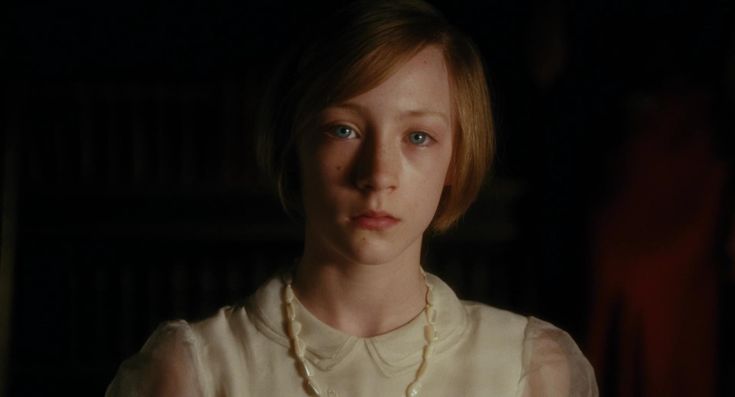
Bryony Tallis, «Atonement,» 2007
In the first half of the work, the viewer often observes the other characters through Bryony’s eyes. However, the subjective camera does not always signify an unreliable narrative. This technique emerges only when the narrator’s version begins to diverge from or is contradicted by other information. Joe Wright uses recurring scenes to reflect the subjectivity of Bryony’s perception. She only sees parts of the situation, forms her own judgments, and draws debatable conclusions.
Scene Repeat
One of the primary techniques of the unreliable narrator is the repetition of scenes with different contents. The first depiction is through Bryony’s limited understanding of the situation—she saw it accidentally without hearing the dialogue and made assumptions herself. The second depiction, from a closer angle and including dialogue, fills in the missing information for the viewer, but not for Bryony. Christopher Hampton, the screenwriter of «Atonement,» named this technique «flash-sideways"—a return to an event through a different perspective.
From this, we can conclude that the unreliable narrator in «Atonement» doesn’t necessarily lie intentionally; they merely distort the facts due to a lack of context surrounding them.
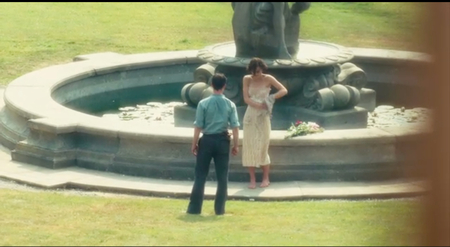
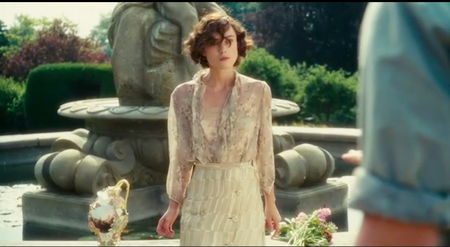
Cecilia and Robbie by the fountain, stills from the film «Atonement,» 2007
Bryony, watching the scene from the window, sees the following: Cecelia takes off her coat and jumps into the fountain; Robbie watches.
Both Bryony and the viewer lack the necessary context, as they are far from the action and cannot hear the dialogue. The window, in this case, acts as a frame for subjective perception. Later, in a scene replay, it is revealed that tension is building between Cecelia and Robbie over a broken vase, and the girl climbs into the fountain to retrieve a shard.
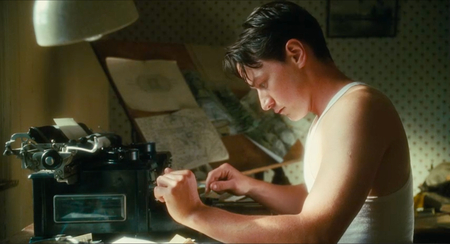
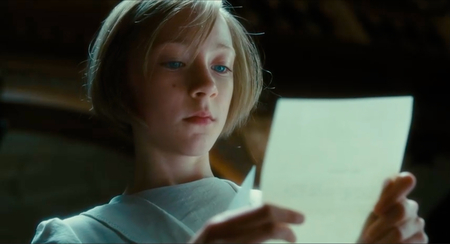
Robbie writes a letter, and Brian reads it—a scene from the film Atonement, 2007.
Robbie writes a letter to Cecilia to apologize for breaking the vase. The protagonist creates two versions of the letter—one «anatomically precise, ” expressing sexual desire, and the other, a heartfelt apology. Robbie intended to pass the message through Bryon, but mistakenly gives the indecent version to the girl.
Bryon reads the letter out of curiosity and, once again, without the context of the situation—and by intruding on the characters' private lives—draws conclusions about Robbie as a person.
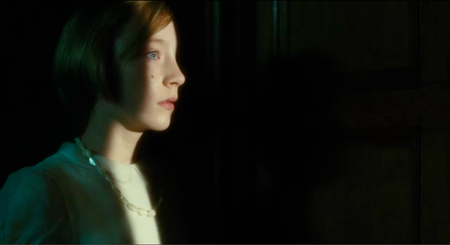
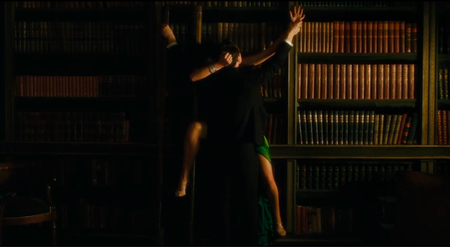
Stills from the film «Atonement,» 2007
The storyteller catches Robbie and Cecily in what she perceives as an act of violence. Combined with what she read in the letter, the girl concludes that the young man is a maniac and a danger to their family. Bryony only saw a brief glimpse through the door crack; her perception remains limited and guided by a child’s mind.
The next scene shows Robbie and Cecily confessing their love to each other. The same scene is repeated, but this version is full of passion and mutual feeling, not violence.
Ultimately, the film establishes a scenario where the viewer possesses more comprehensive information than the character. Through repeated scenes, the director demonstrates that Robbie and Cecilia have tender, deeply felt relationships, while Bryony has an entirely different view of the situation. This serves as a direct signal to the audience that the girl cannot convey information objectively. Bryony observes actions but cannot establish the correct cause-and-effect relationship due to her limited perception; she is an unreliable narrator.
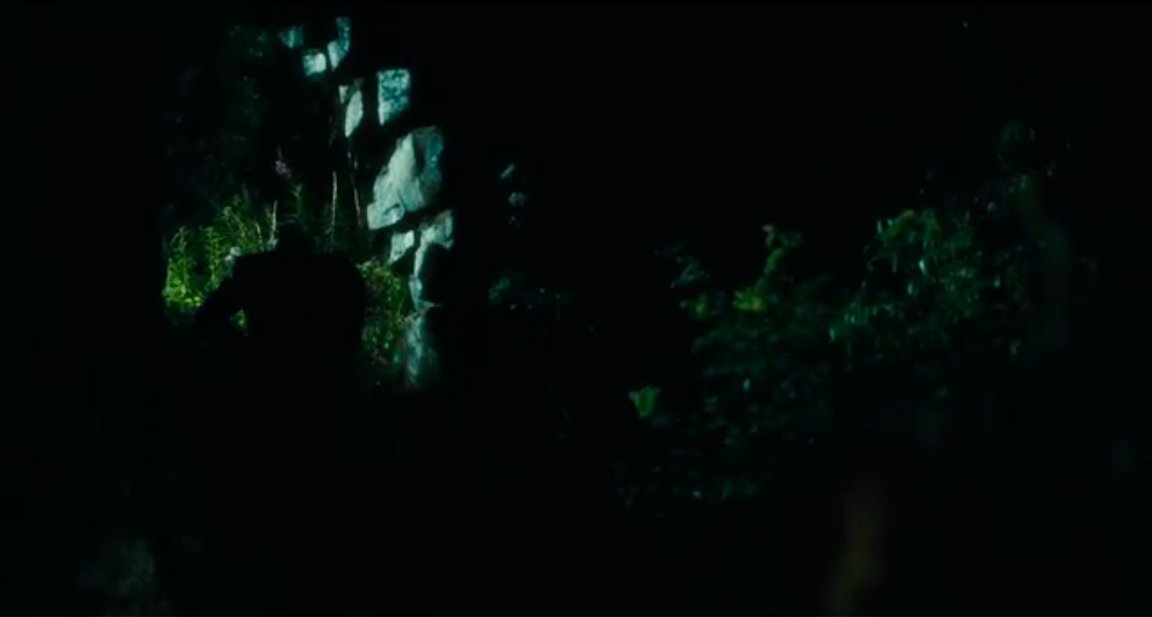
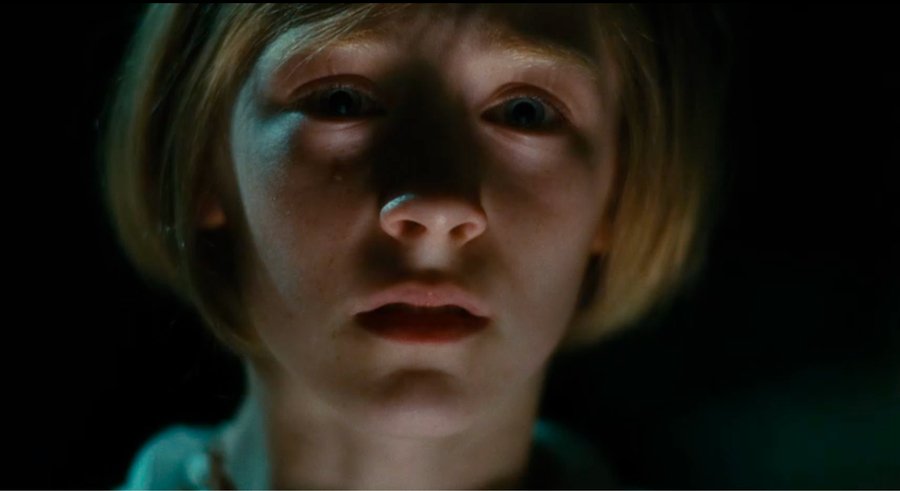
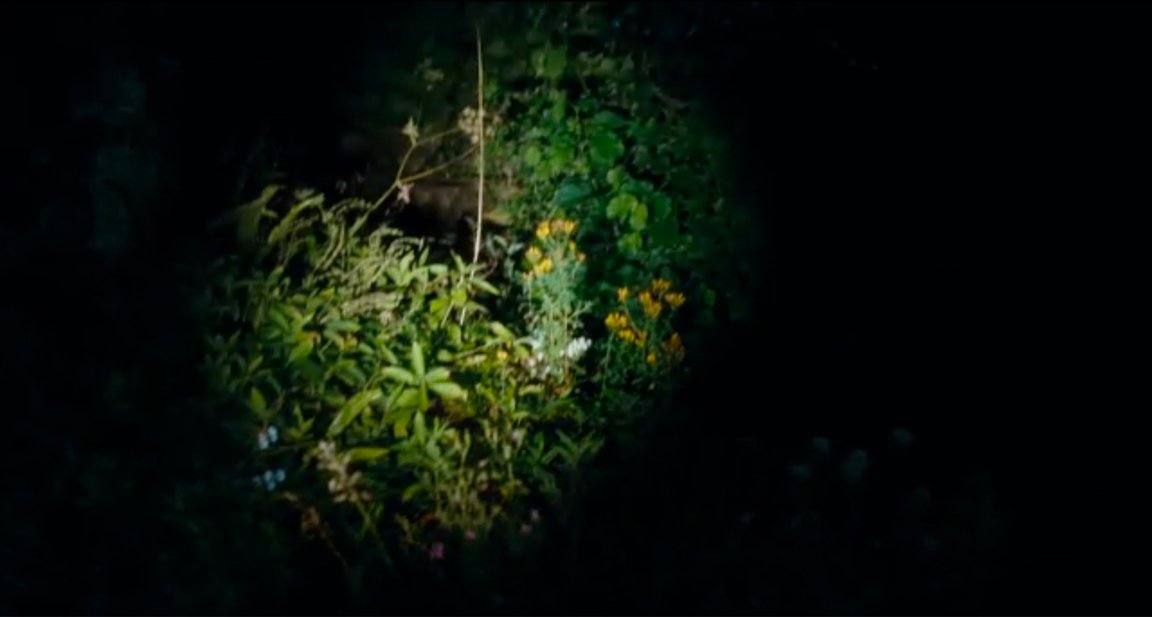
Composition of a night event, stills from the film «Atonement,» 2007
While searching for the missing twins, Bryony discovers an attack on her cousin Lola. She blames Robbie, although she lacks sufficient grounds for a certain identification of the attacker.
This is the climax of the first part of the film: her mistaken interpretations turn into serious accusations.
In this case, neither Brianoni nor the viewer possesses sufficient information to draw a conclusion. Darkness, fragmented imagery, and the brevity of observation take center stage in the episode. The protagonist fills in the gaps with her own biased judgments. However, knowing the narrator’s unreliability, the viewer is less likely to believe Robbie is guilty. The director leaves room for contemplation—should Brianoni believe this time?
(Later, the film indicates Paul Marshall as the assailant through retrospective footage.)