Categories
1. Concept
2. Death as personal and inevitable. 1900–1914
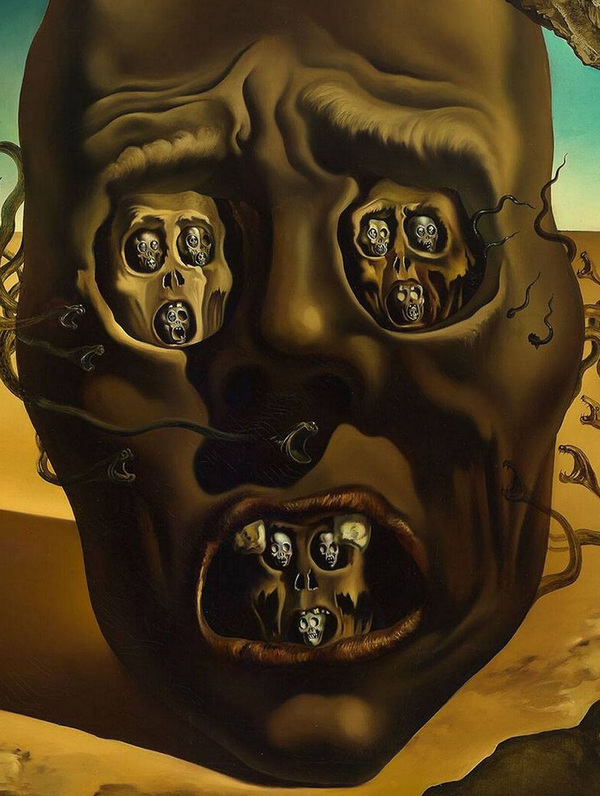
3. Death as mass catastrophe. 1914–1930
4. Death as political violence and historical trauma. 1930–1950
5. Death as a human condition and memory. 1950–1980
6. Death as absence. 1980–1990
7. Conclusion
Concept
The 20th century marked an era of unprecedented existential crisis for Europe. The two World Wars, the Holocaust, totalitarian regimes, and the threat of nuclear apocalypse radically altered humanity’s relationship with the finitude of existence. Death ceased to be a sacred transition or an individual, tragic end, transforming instead into a depersonalized, assembly-line, technological process of mass annihilation.
Art reacted instantly to this rupture: the classical visual language, which included allegory, Christian iconography, and romanticized mourning, proved powerless in the face of new catastrophes. The dismantling of traditional imagery spurred new artistic movements—from Expressionism to ready-mades and postwar Informel art. Studying how 20th-century European art visualized death remains relevant because this process clearly demonstrates the birth of modern art’s language from the attempt to reflect collective historical trauma.
The core problem lies in the crisis of representation. 20th-century artists faced the necessity of inventing a fundamentally new visual code to capture death, as it had transcended human comprehension and previous aesthetic experience. A profound contradiction exists between historically documenting tragic events through photography and the artistic interpretation, which moved away from direct resemblance toward deformation, abstraction, conceptualism, and the absurd. This study aims to systematize these visual strategies and trace how artistic form evolved in response to the traumatic historical context.