The Aesthetics of Gothic in Germany
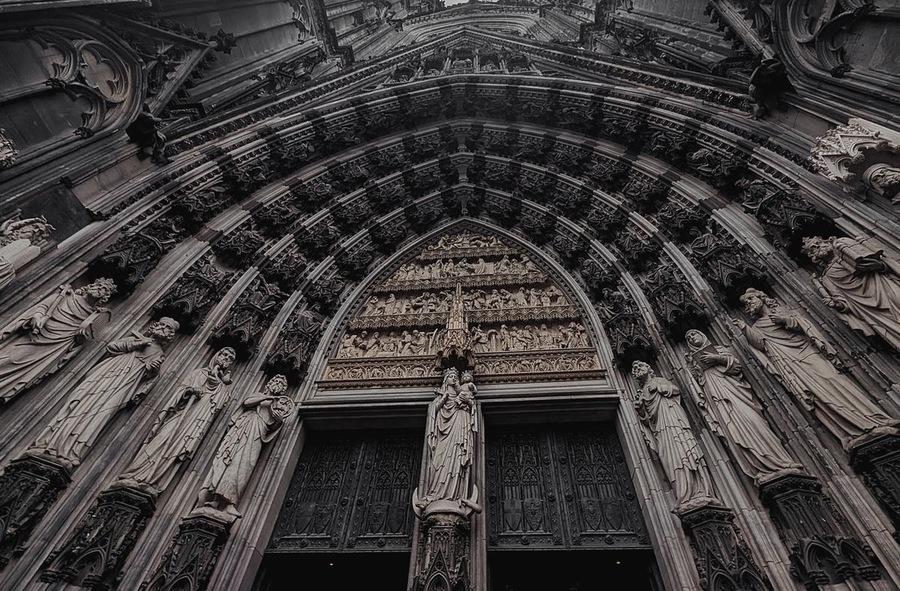
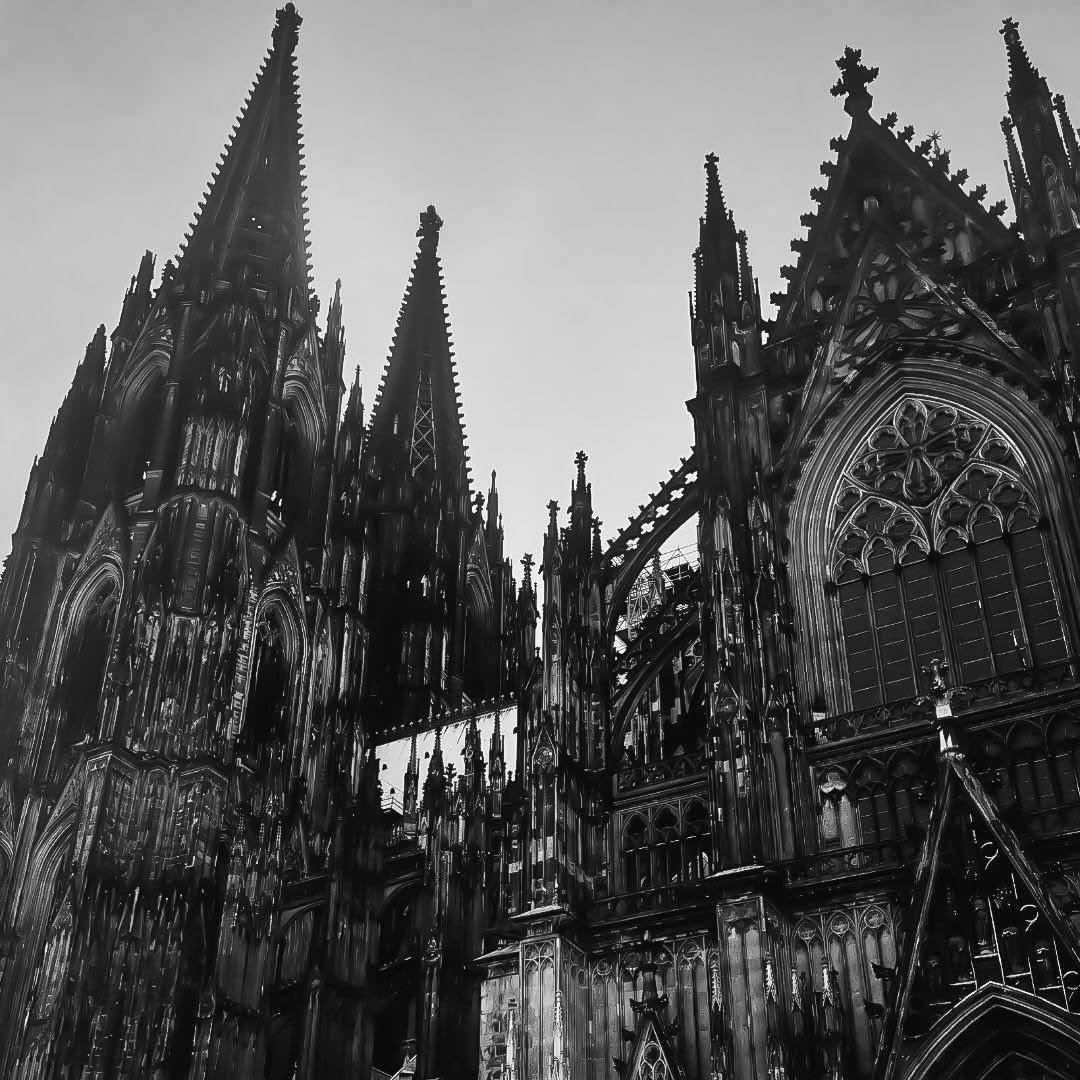
Cologne Cathedral
Introduction
Concept
1. German Gothic: Emergence and Formation of the Style
2. Natural Forms in Gothic Ornament
3. Geometry, Symmetry, and Interlacing Lines in Gothic Architecture
4. Stone Carving: Sculptural Decoration
5. Gothic Stained Glass
6. Decorative Elements of German Cathedrals
7. Great Architects and Builders of the Cathedrals
Comparative Analysis of Decorative Elements in German Gothic
Conclusion
Bibliography
Image Sources
Introduction
Ornament occupies a significant place in medieval European art, serving not only as a decorative element but also as a means of artistic expression. Ornamental art reached a special development during the Gothic period, which established a recognizable visual language based on complex interweaving lines, botanical motifs, geometric forms, and symbolic imagery. In German Gothic art, the ornament acquired characteristic features that reflect the era and the nation’s heritage. The relevance of this topic stems from interest in the visual culture of medieval Germany and the specifics of its decorative language formation. Gothic ornament constitutes a distinct system of artistic elements where natural motifs and complex compositional organization are combined. The study of such elements allows one to trace how perceptions of beauty, decoration, and artistic expressiveness evolved in European art. This research specifically focuses on the visual aspects of German Gothic ornament.
Kelнский собор
Concept
The core idea of this research is to examine German Gothic ornamentation as an independent visual language possessing distinctive artistic characteristics. The ornament is considered not merely as decoration, but as a system of recurring motifs through which the unique aesthetic of medieval art is created. For this study, visual samples of German Gothic art from the 13th–15th centuries were selected. Primary attention is given to ornamental compositions preserved in decorative imagery and applied art.
German Gothic: The Emergence and Formation of a Style
Under the term «Gothic,» I bundled together all the synonymous misunderstandings that ever came to mind: undefined, disorganized, unnatural, cluttered, overloaded… How unexpected was the feeling that washed over me upon seeing this creation! A holistic, grand impression filled my soul—it was composed of a thousand harmonious details.
German Gothic art spanned the period from the 13th to the early 16th century.
Key stages of German Gothic:
1. Early and High Gothic (13th–15th centuries) Gothic arrived in Germany later than it did in France, due to strong traditions of massive Romanesque architecture, although the atmosphere of the country feels more Gothic to many. A striking example of Early Gothic is the Magdeburg Cathedral.
Magdeburg Cathedral (1209–1520), the oldest Gothic cathedral in Germany
The pinnacle of High Gothic is the Cologne Cathedral (begun in 1248).
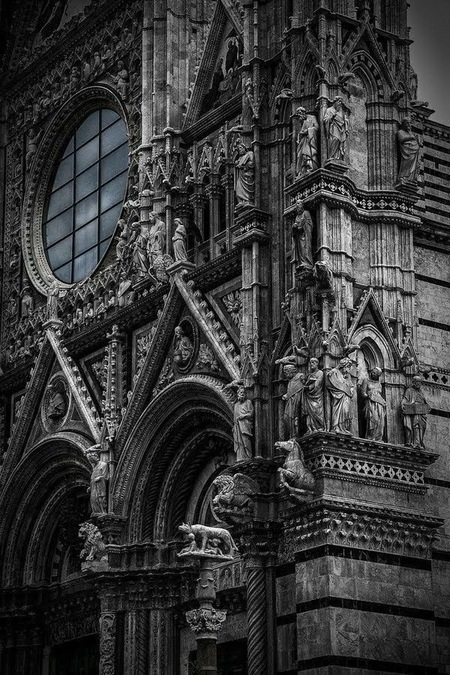
During this period, sculpture also developed drama and expression, which is evident in the statues at the Bamberg and Nuremberg Cathedrals.
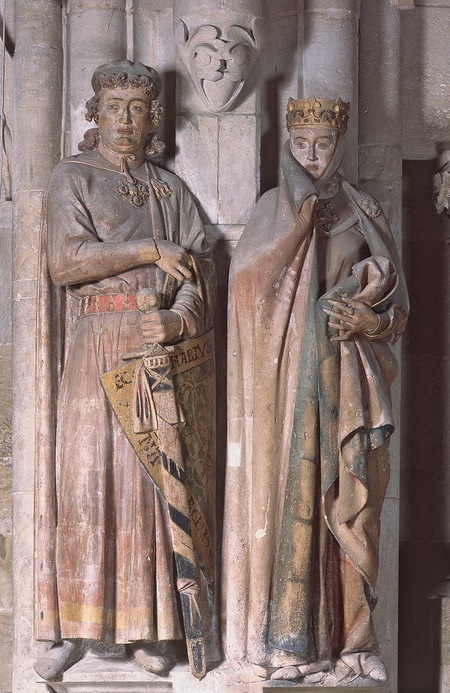
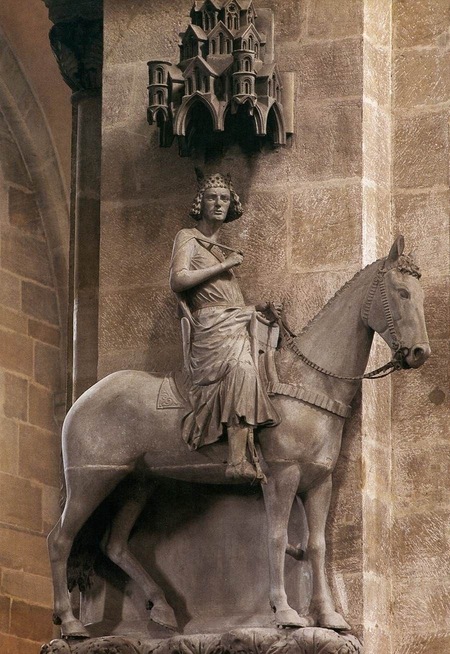
Ekhart and Uta Statues. Naumburg Cathedral The «Bamberg Rider» Statue in Bamberg Cathedral
Late Gothic (Late 15th—Early 16th Century)
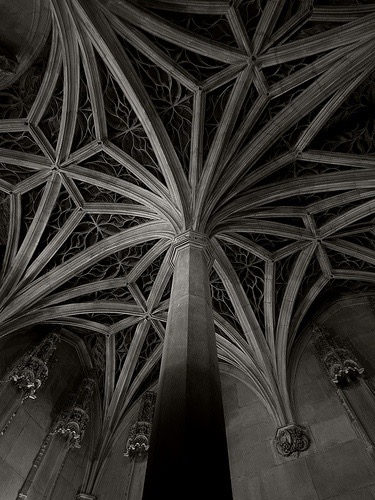
Characterized by the development of «brick Gothic» in the north of the country, as well as the evolution of complex star vaults and carved altarpieces.
The Gothic style persisted in Germany longer than in many other European countries.
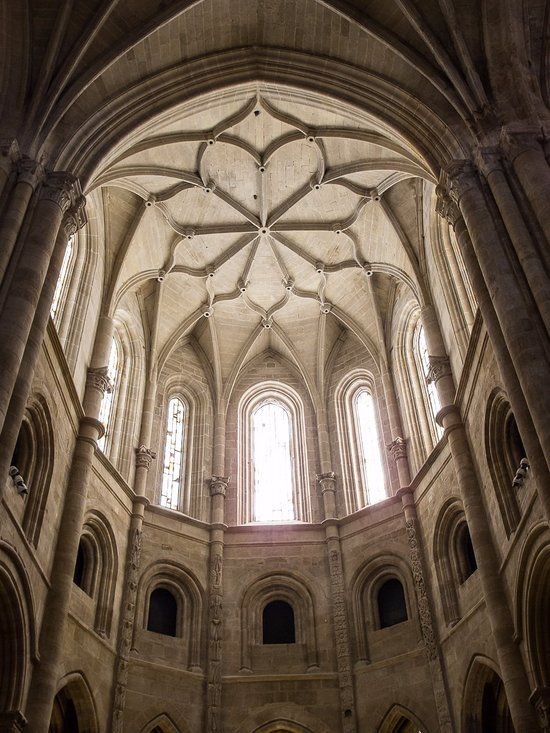
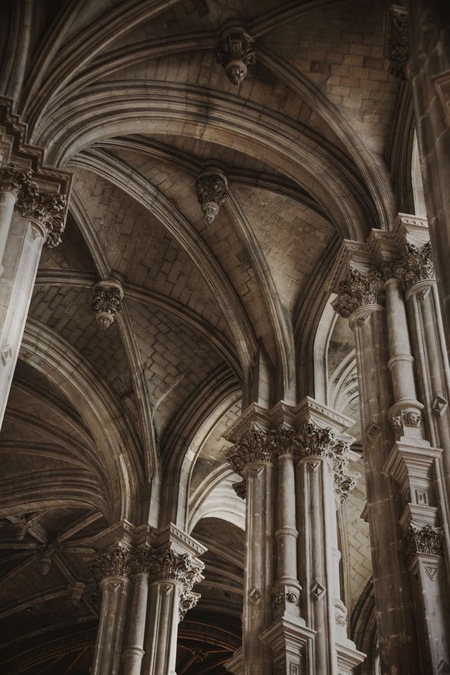
Star vault—a decorative variant of the Gothic rib vault featuring additional nervures
Gothic style emerged in Germany at the beginning of the 13th century. The spread of this new artistic direction was aided by cultural and religious ties between European countries, the travels of master artists, and the exchange of artistic traditions. French Gothic became the foundation for the development of the German style. German masters adopted characteristic artistic techniques, including pointed arches, elongated proportions, delicate decorative elements, and complex ornamental compositions. Gradually, these borrowed features were adapted to local artistic traditions, acquiring a distinct character.
Natural Forms in Gothic Ornament
In it, everything is unified: the orderly, soaring forest of vaults above the head, windows—narrow and endless, with multicolored glass—the attachment to this horrifying colossal mass of the smallest, most colorful ornaments, this light web of carving ensnaring it with its net, wrapping it from the base to the tip of the spire, and flying with it toward the sky.
Natural motifs held a prominent place in the decorative arts of German Gothic. Artists drew inspiration from depictions of plants, leaves, flowers, and branches, using them as the basis for creating ornamental compositions. Nature served as a source of forms, which were then reinterpreted and acquired characteristic traits of the Gothic style. One of the most prevalent motifs was the stylized leaf. Its depictions were distinguished by elongated outlines, pointed ends, and smooth curves. Grapevines, floral elements, buds, and interwoven stems were also found in the ornament. Botanical forms could be arranged symmetrically, repeated in a specific rhythm, or combined into complex decorative patterns. In German Gothic ornamentation, natural forms evolved from the strict, almost botanical accuracy of the local flora of the 13th century to fantastic intertwinings of dry branches.
Capitals with botanical ornamentation
Capitals, consoles, and friezes were adorned with recognizable flora from the German forests and vineyards.
At the end of the 15th and beginning of the 16th century, a unique type of ornament appeared in Germany that was rarely seen in other countries—asterswerk.
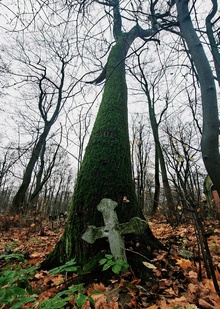
Interwoven branches. Strict geometric patterns and ribbing of vaults suddenly transformed into rough, gnarled, moss-covered trunks and branches. Examples include gnarled arches framing portals, such as in the Castle Church in Hennigsdorf, or weaving into webs on the ceilings of the Mother of God Cathedral in Ingolstadt, and becoming frames for carved wooden altars.
ceiling in the Cathedral of Our Lady in Ingolstadt
The fauna in German Gothic is depicted with no less vividness, yet it borders on the fantastical—for instance, gargoyles and chimeras in Freiburg or Aachen were transformed into elongated dragons, bats, dogs, monkeys, and mythical beasts.
Symbolic animals. Lions and pelicans were carved into the stonework of vaults and corbels, with each figure symbolizing a specific virtue, vice, or Evangelist.
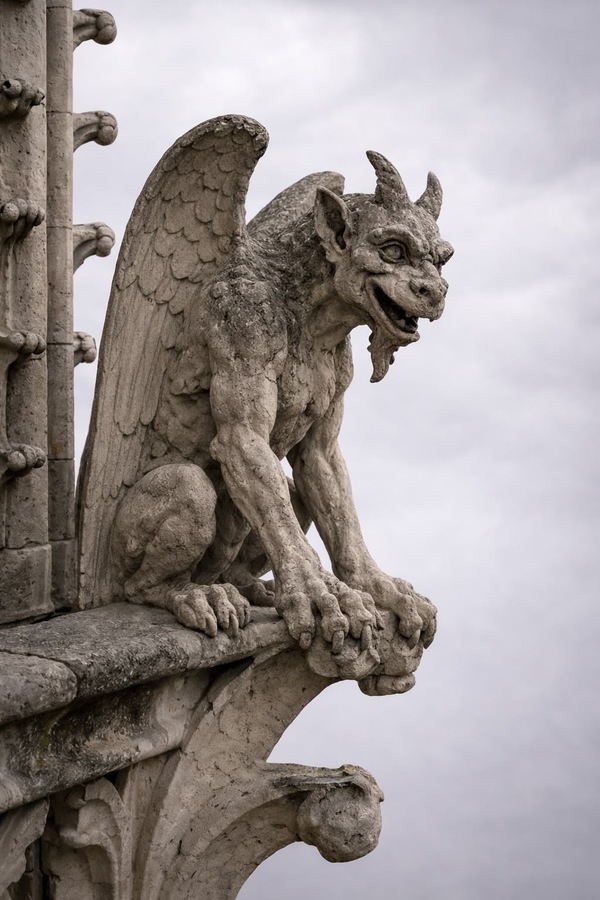
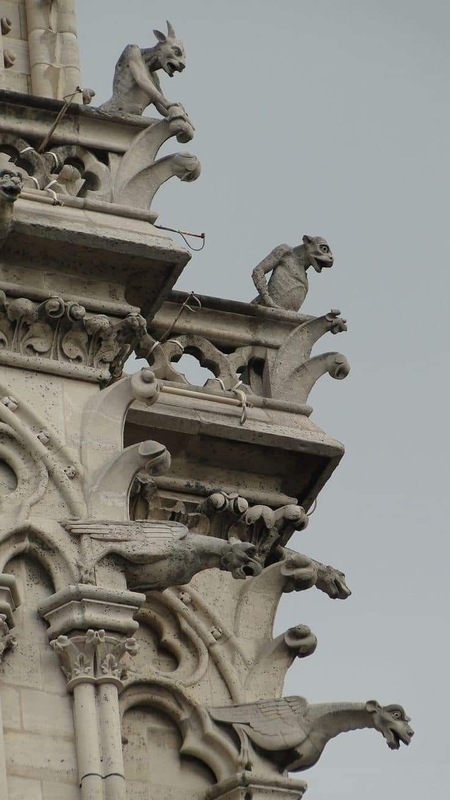
gargoyles and chimeras
Geometry, Symmetry, and the Interlacing of Lines in Gothic Art
Geometric shapes were a crucial element of German Gothic ornamentation. Artists utilized circles, triangles, arcs, and smooth lines, combining them into intricate patterns.
One of the primary components of Gothic decoration was tracery—a design composed of interlacing geometric figures. Circles, arches, arcs, and other forms were employed in its creation.
Trefoils and quatrefoils were frequently encountered—patterns resembling flowers with three or four petals. These motifs were placed within circles and arches, forming symmetrical compositions.
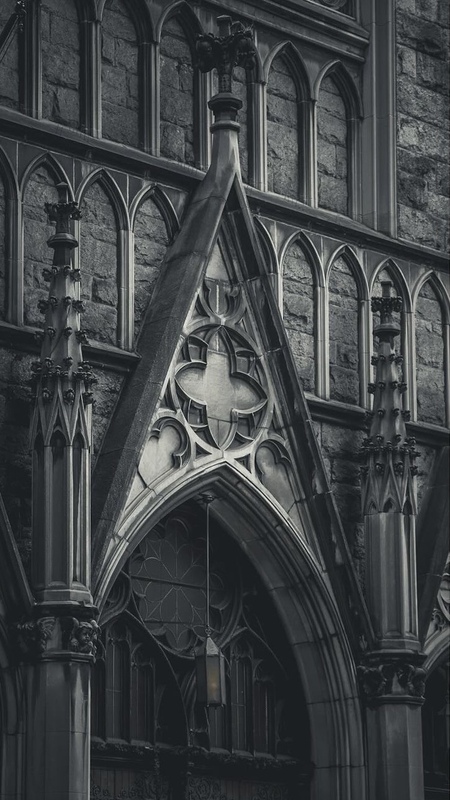
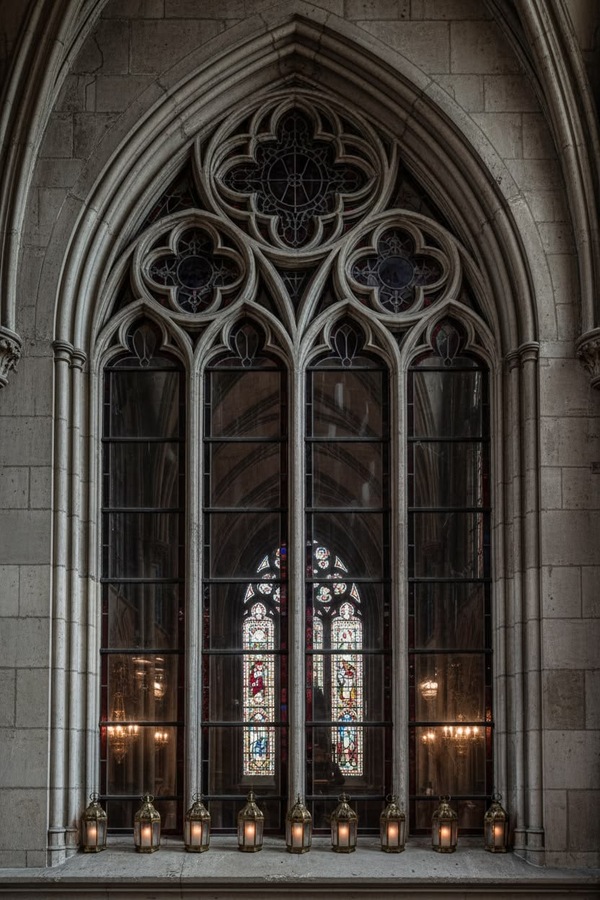
Quadrilaterals