Introduction

Esports has become one of the fastest-growing entertainment industries in the world. Today, esports organizations compete not only in tournaments but also for the attention of fans. Because of this, teams need to do more than just win matches. They need to create interesting content, communicate with their audience, and build a strong brand.
One example of this is Team Spirit, an esports organization founded in 2015. The team became famous after winning major tournaments, especially in Dota 2. However, Team Spirit is not focused only on competition. In recent years, the organization has invested a lot in content creation, social media, and digital projects.
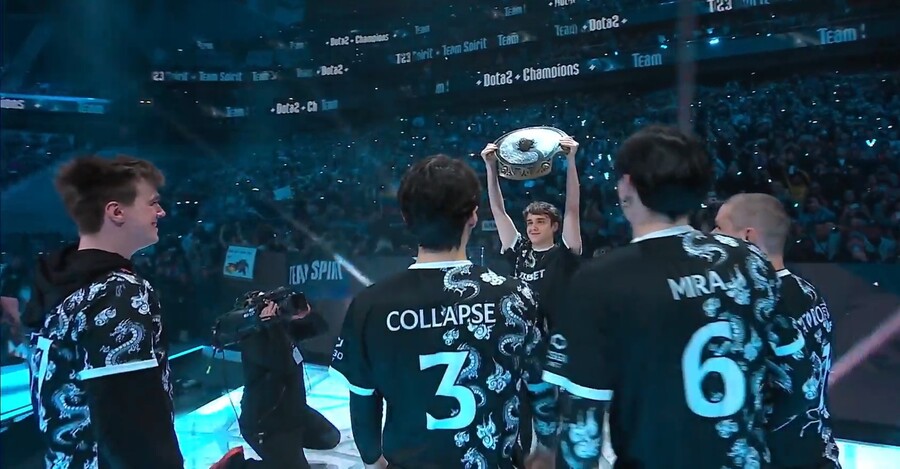
The International 2023 (Team Spirit won)
Some of the most interesting examples are the redesigned website, the Stories section, and the project called «The Dragon Case». These projects show that Team Spirit wants fans to interact with the brand in different ways, not only through esports results.
This paper argues that Team Spirit is becoming more than an esports team. Through storytelling, interactive content, and communication with fans, the organization is slowly turning into a media brand.
Communication Channels and PR Strategies
Team Spirit uses several communication channels to connect with its audience. Each platform has its own purpose and helps the organization build relationships with fans.
The most important platform is the official website. The new website is not only a place where users can find information about players and tournament results. It also tells the story of the organization. Visitors can learn about current players, former players, coaches, managers, and other staff members. This makes the website feel more personal and interesting.
The organization is also active on Telegram, YouTube, VK, and X (Twitter). These platforms are used to share news, tournament updates, memes, photos, and behind-the-scenes content.
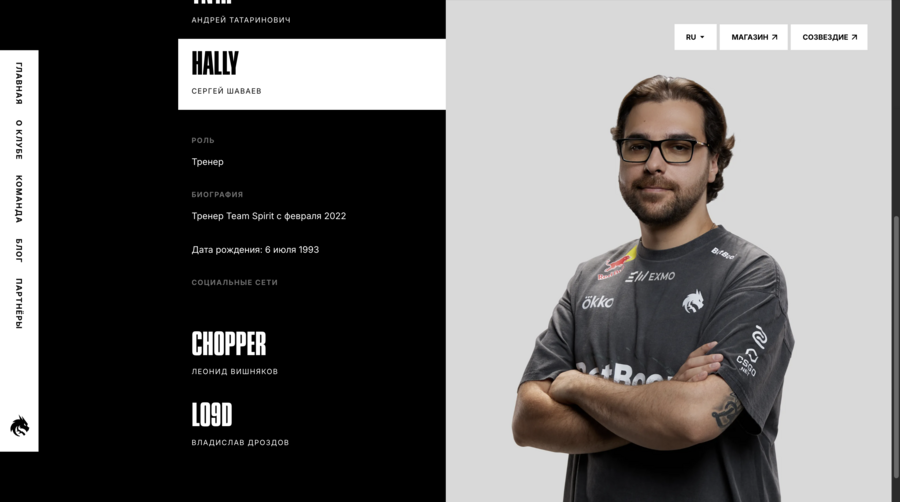
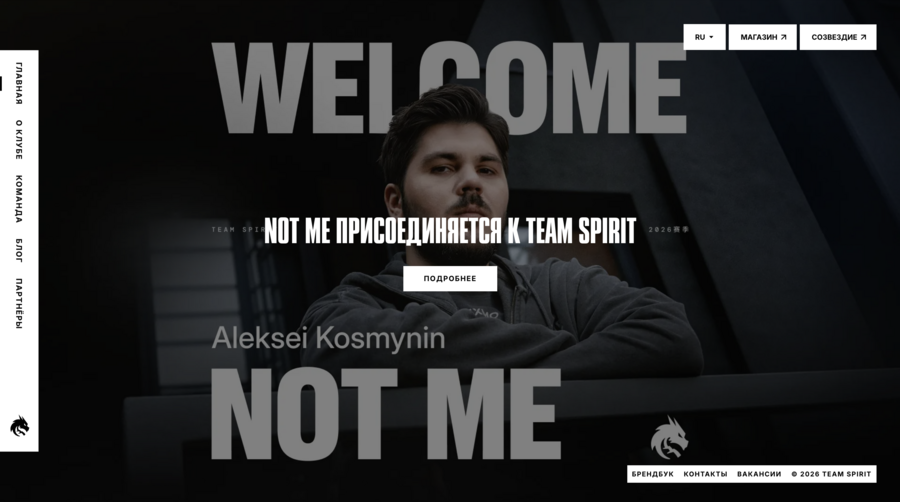
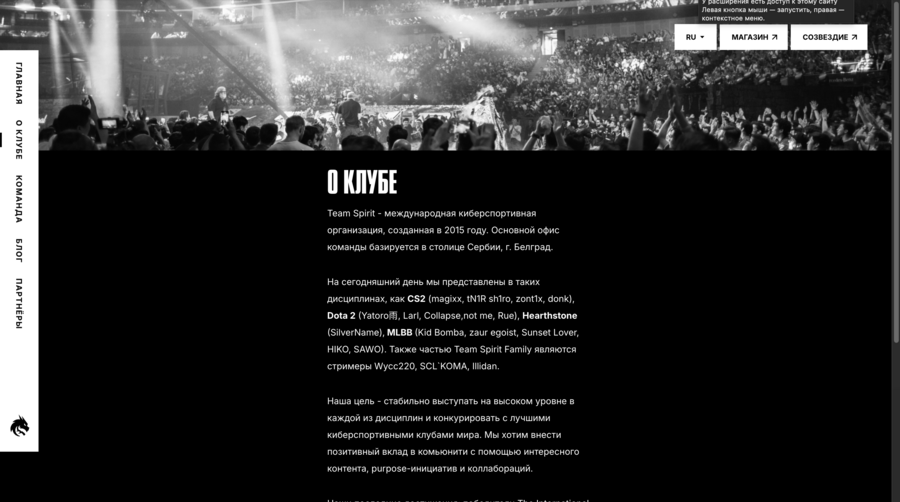
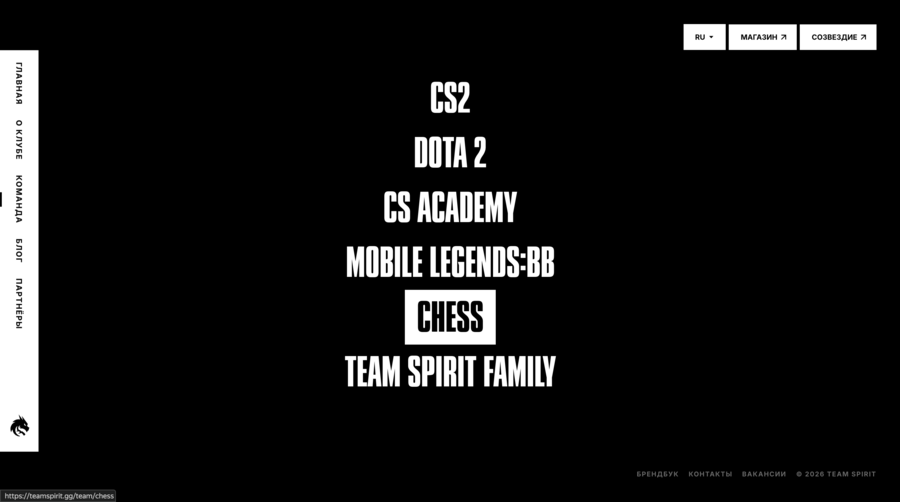
Official website
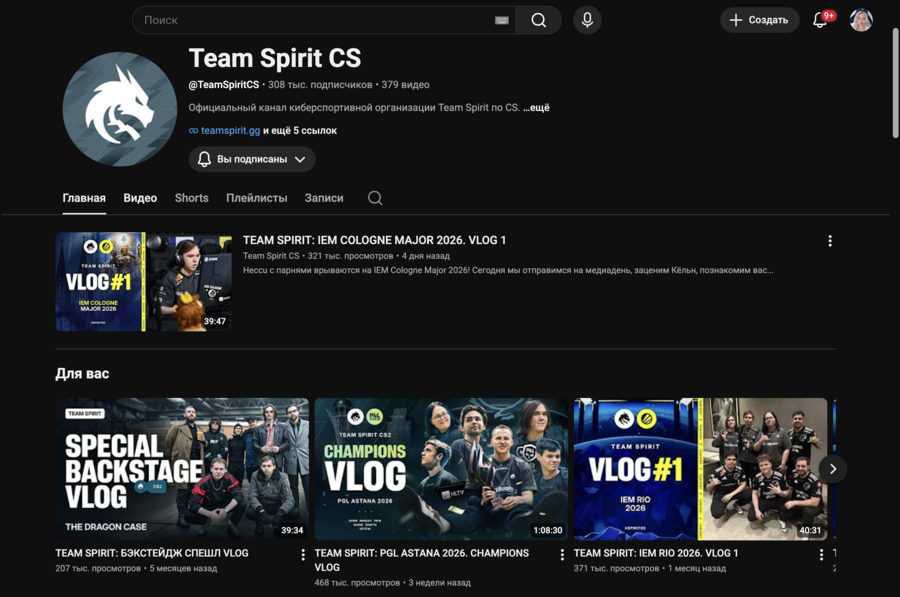
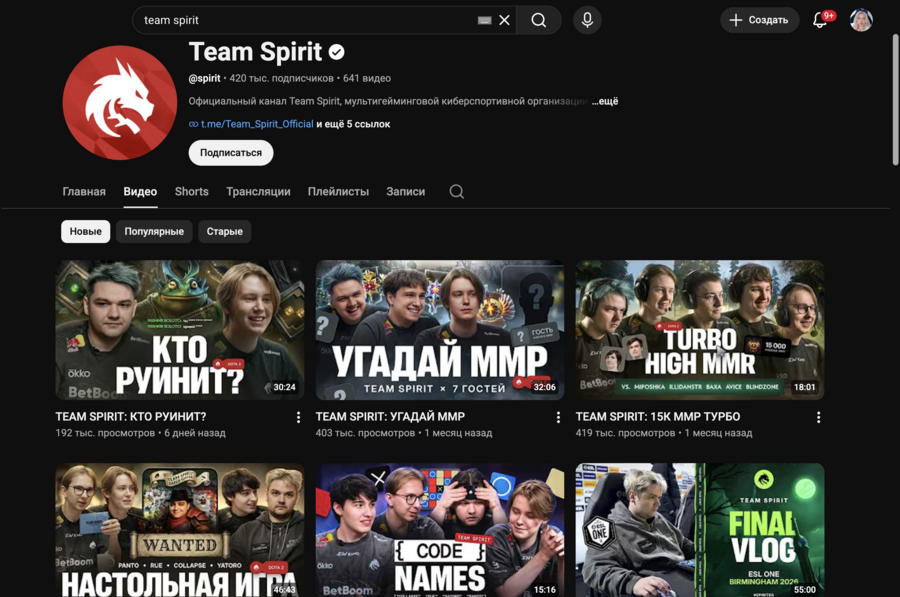
YouTube is especially important because Team Spirit publishes documentaries, player interviews, and videos about life inside the team. These videos help fans understand the people behind the organization.
From a public relations perspective, Team Spirit uses several important strategies
The first strategy is storytelling. Instead of only posting news, the organization creates stories that help fans feel emotionally connected to the team.
«Anthagonist» 2026
The second strategy is humanization. Team Spirit often focuses on players and staff members as real people with their own personalities, emotions, and experiences. The organization shows them in a natural and honest way, including their jokes, habits, funny moments, and unusual behaviors. Fans can see what team members are really like in everyday life, which makes them feel closer to the team and creates a stronger emotional connection.
Screenshot from video (TEAM SPIRIT: IEM COLOGNE MAJOR 2026. VLOG 1)
The third strategy is community building. The team communicates with fans in a friendly and informal way. Social media posts often include jokes, memes, and references that are familiar to the gaming community.
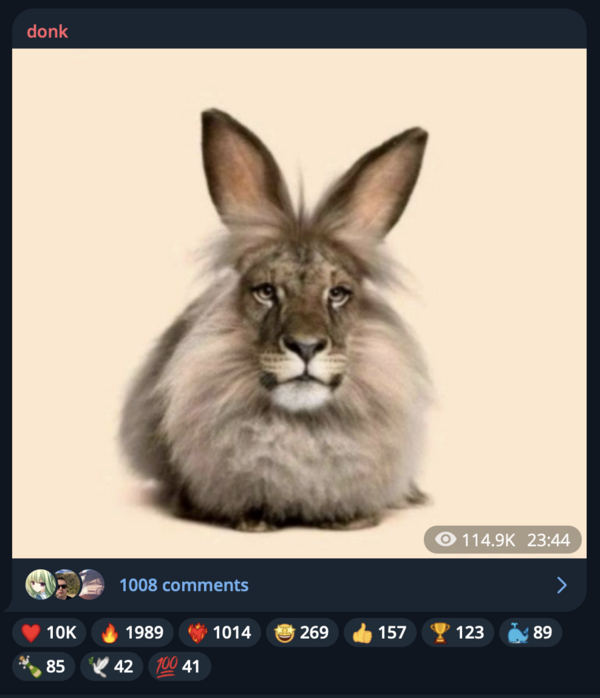
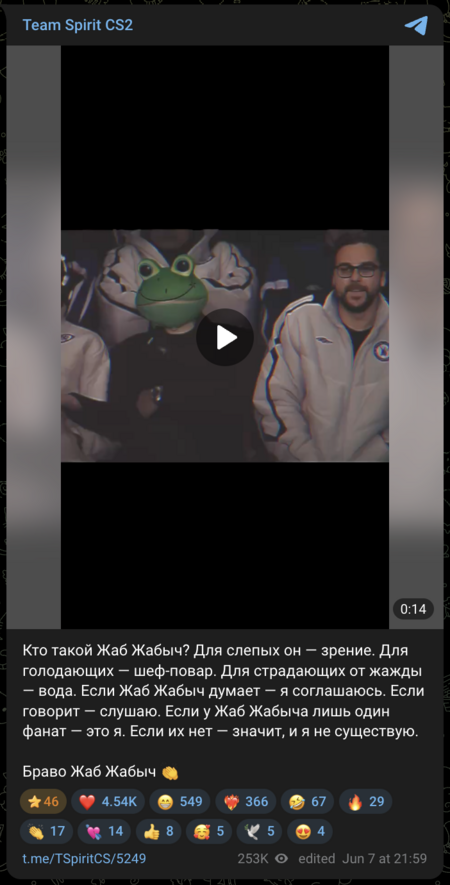
Telegram posts with memes. Player Danil «donk» Kryshkovets // Team’s official Telegram channel
Finally, Team Spirit is creating its own brand story around the dragon, which is the main symbol of the organization. This can be seen especially in «The Dragon Case» project.
This paper uses two communication theories: Uses and Gratifications Theory and Dialogic Theory of Public Relations.
Uses and Gratifications Theory was developed by Elihu Katz, Jay Blumler, and Michael Gurevitch. According to this theory, people actively choose media content that helps satisfy their needs. Some of the main needs are entertainment, information, social interaction, and personal identity.
The second theory is Dialogic Theory of Public Relations, created by Michael Kent and Maureen Taylor. This theory says that successful communication should be based on dialogue between an organization and its audience. Communication should not be one-sided. Organizations should encourage participation, interaction, and feedback.
Analysis of Team Spirit’s Communication Strategy
Case 1: The New Team Spirit Website
One of the strongest examples of Team Spirit’s communication strategy is the Team Spirit Stories project. Instead of publishing this content only on social media, the organization created a separate website with a unique visual style and structure. This allows fans to explore stories in a more immersive and engaging format.
From the perspective of Dialogic Theory, the website is not just a source of information. It encourages users to explore different parts of the organization. Visitors can learn about players, staff members, and the history of the team through interviews, articles, and personal stories.
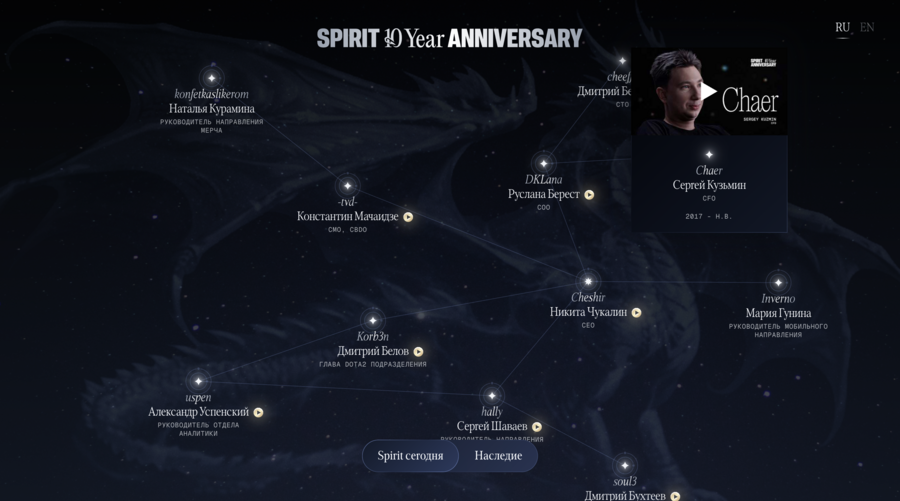
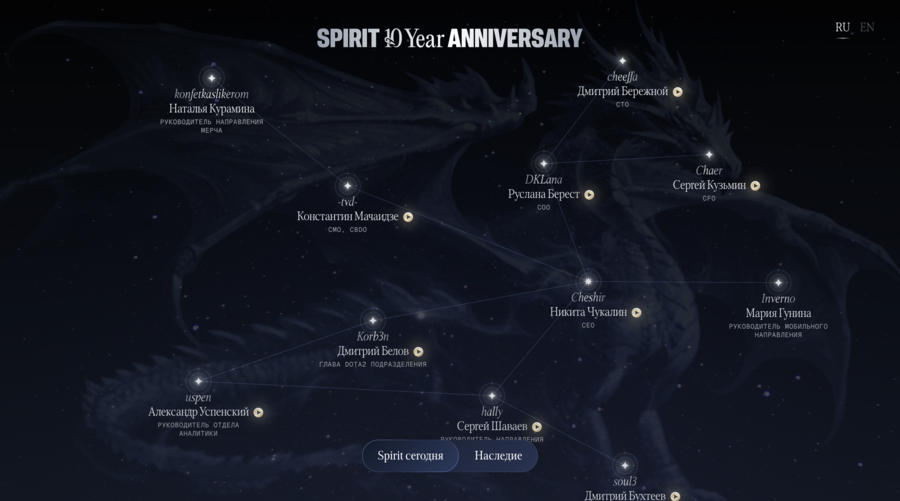
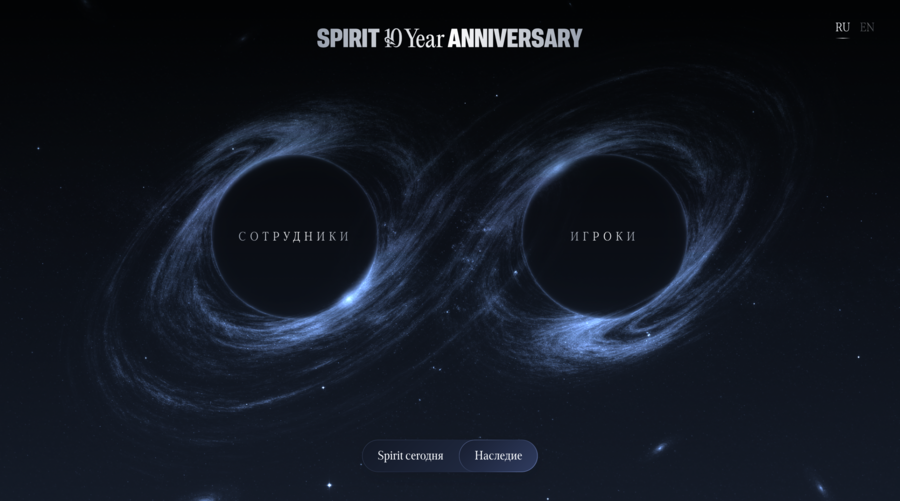
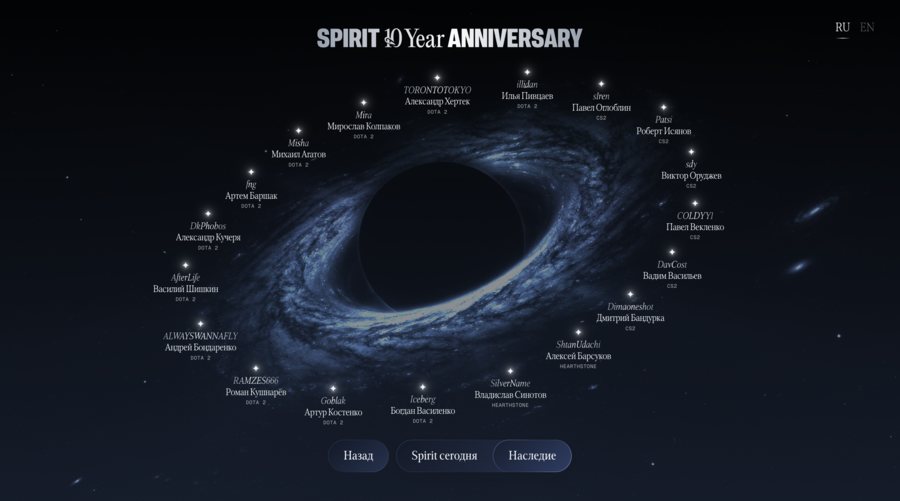
One interesting feature is that Team Spirit includes not only current players but also former players and employees. This shows openness and transparency. Fans can see how the organization has changed and developed over time.
The separate website also helps present these stories in a more organized and visually attractive way. As a result, users become active participants instead of passive readers. They choose what they want to explore and how they want to interact with the brand.
Case 2: The Dragon Case
The project uses the dragon, which is the team’s main symbol, as part of a larger interactive story. Instead of being just a logo, the dragon becomes a character that fans can follow through a series of quests and challenges.
One of the most important features of the project is that fans can participate from anywhere in the world. Users complete tasks, solve challenges, and unlock new stages of the story over time. As they progress, new missions, community challenges, and flash mobs become available.