Research Concept
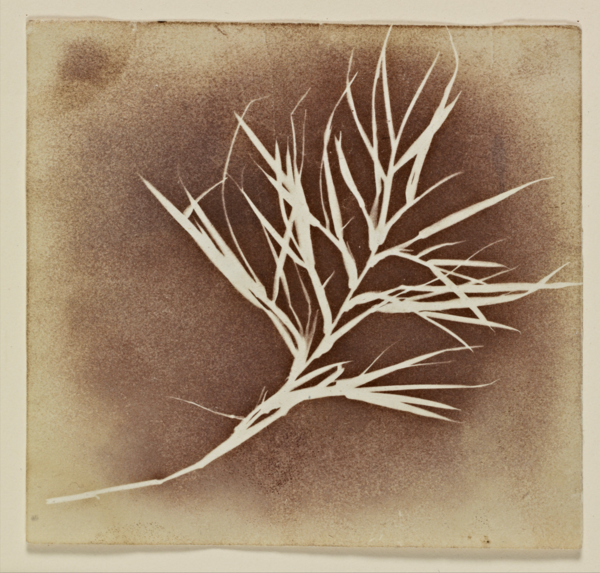
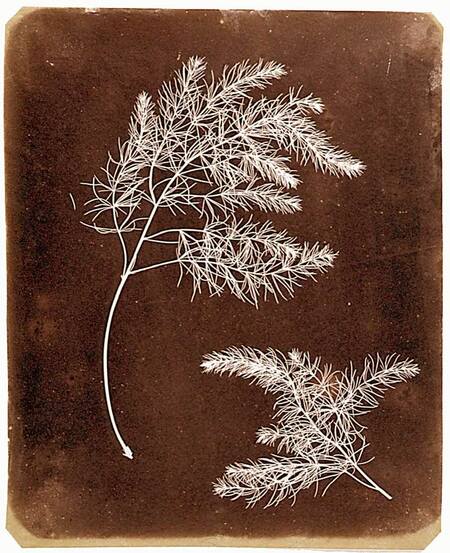
Returning to the very beginning of the photograph, it is worth remembering the first «photogenic drawings» created by nature itself in 1835 by Henry Fox Talbot. He placed various objects on light-sensitive paper and exposed them to the sun. After development, a clear silhouette of the object remained in the image.
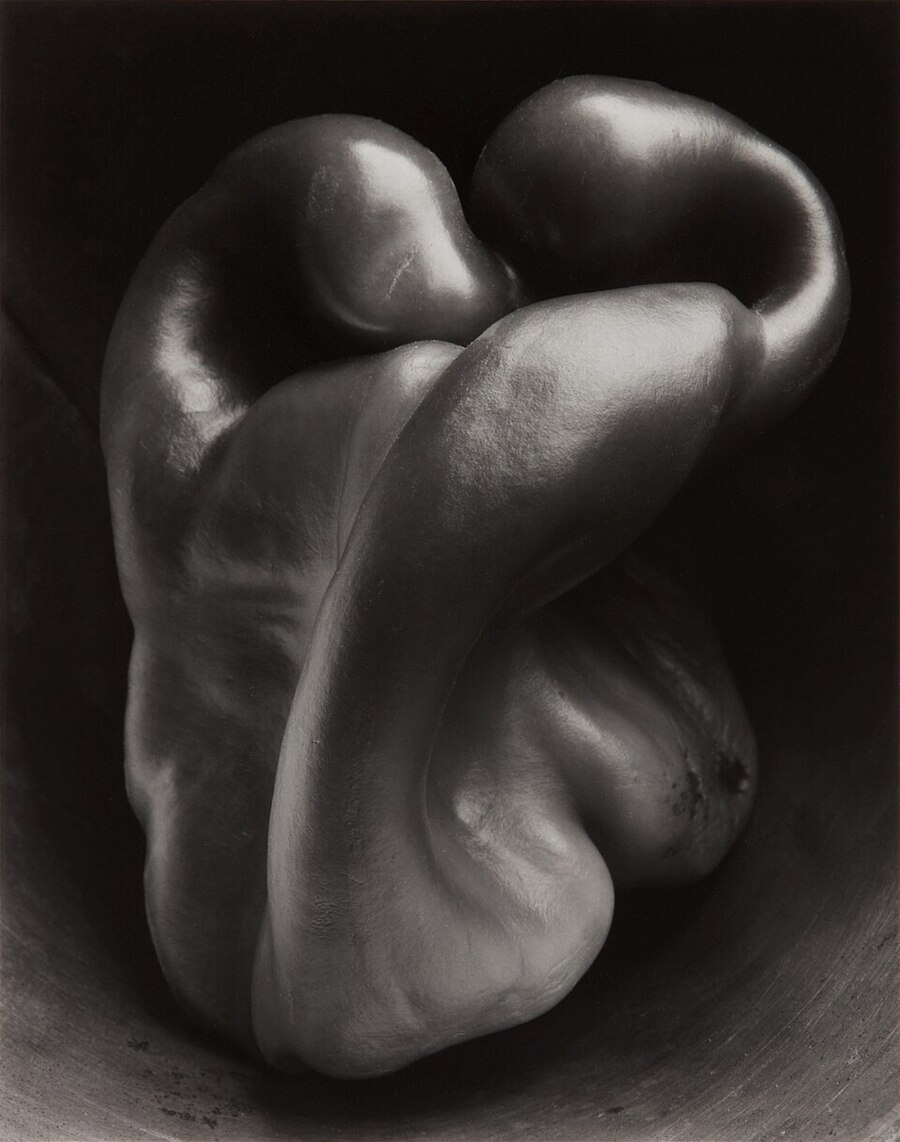
In one of Edward Weston’s most famous photographs, «Pepper No. 30, ” a common pepper is depicted. The simple object appears as an abstract form and recalls the curves of the female figure.
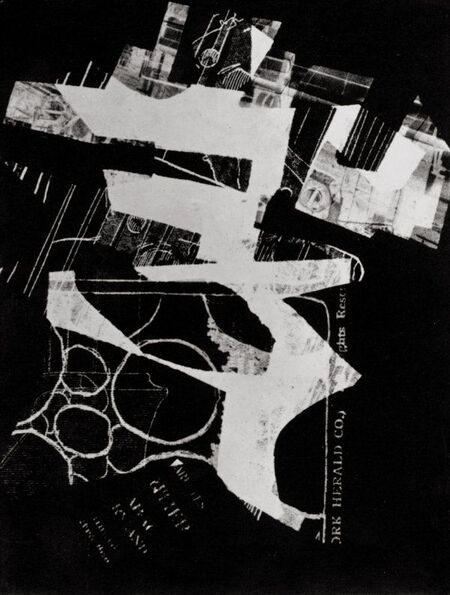
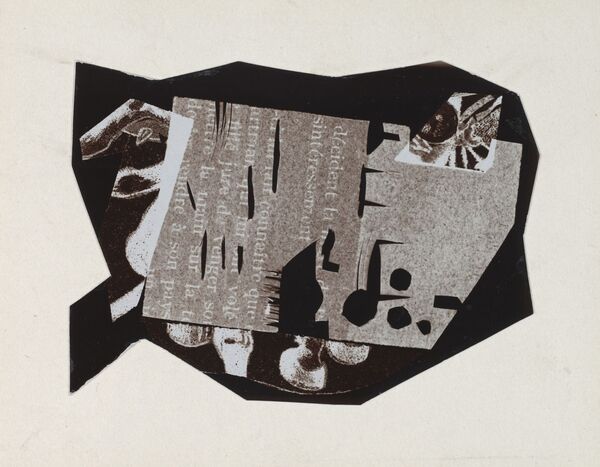
In 1918, German artist-photographer Christian Schad placed newspaper clippings and other flat objects onto photosensitive paper. K. Schad was the first to use a method for creating photographs without the aid of a camera, naming his works shadographs (precursors to photograms).
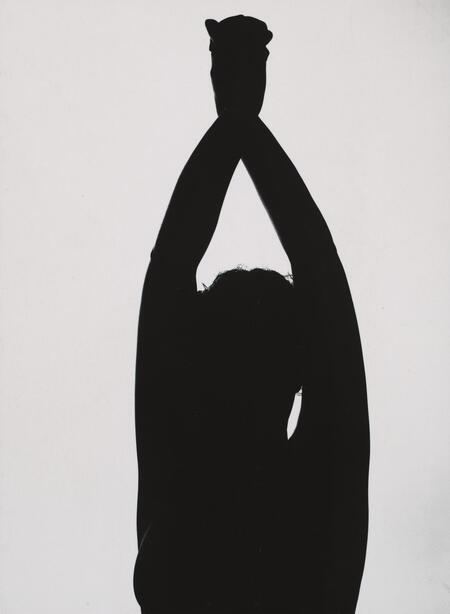
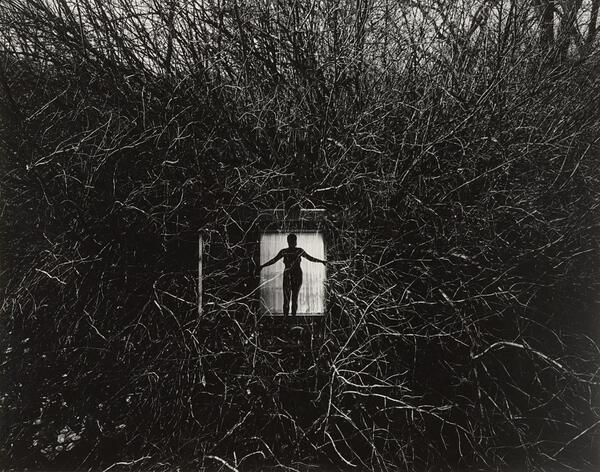
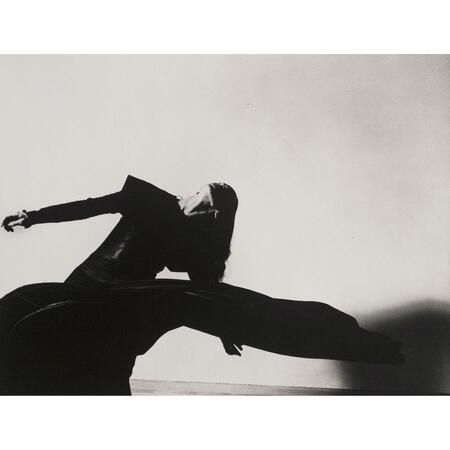
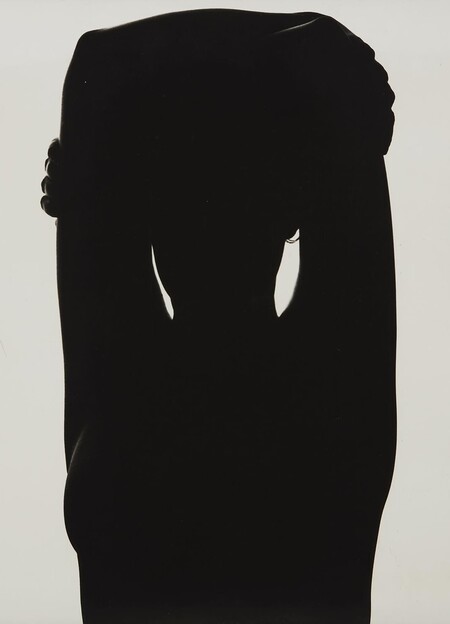
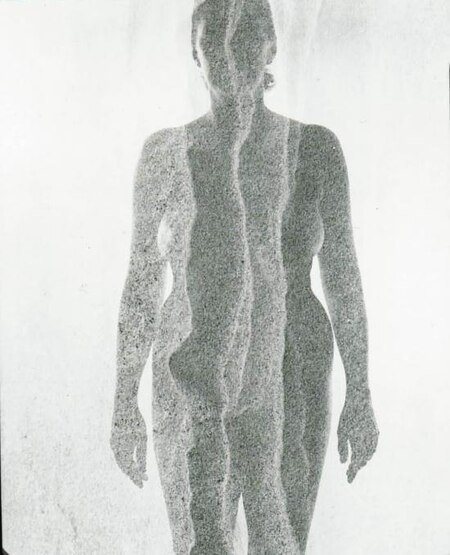
For many years, Callahan photographed the same person—his wife, Eleonora. Yet, he constantly changed his approach to depicting her: moving from traditional portraiture to blurred figures, silhouettes, double exposures, and abstract compositions. Must a face be shown to create a compelling portrait? What if resemblance could be conveyed through silhouette and bodily form?
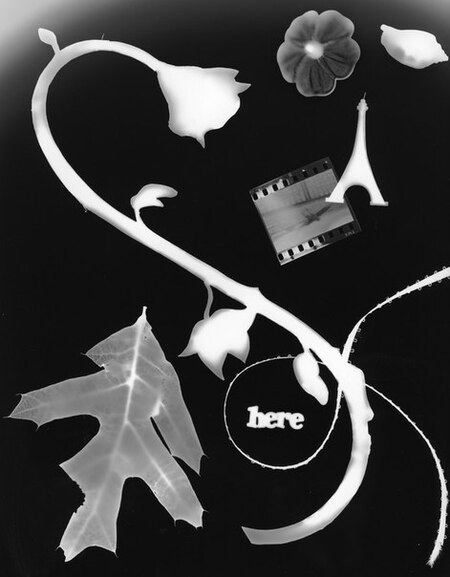
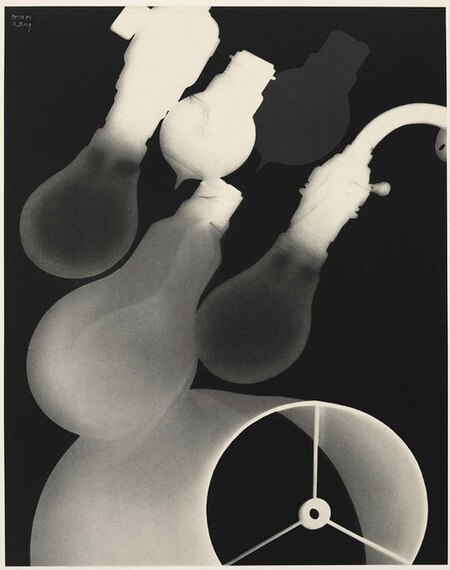
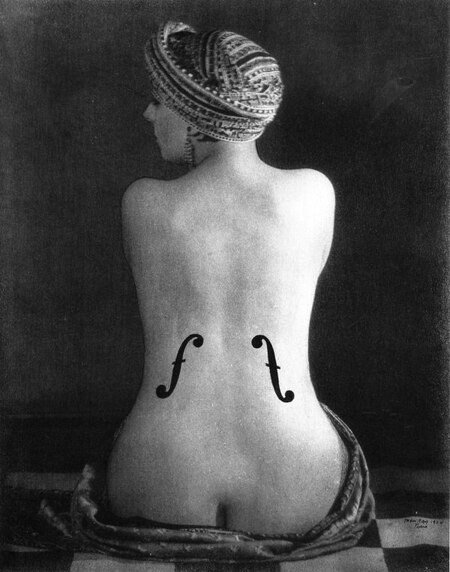
To liberate objects from their familiar context and present them as autonomous visual forms, Man Ray executes a series of silhouette works derived from everyday items. He transforms real objects into graphic elements—into abstract signs. The silhouette here functions as a means of reinterpreting familiar objects through light, outline, shape, and the superimposition of these forms.
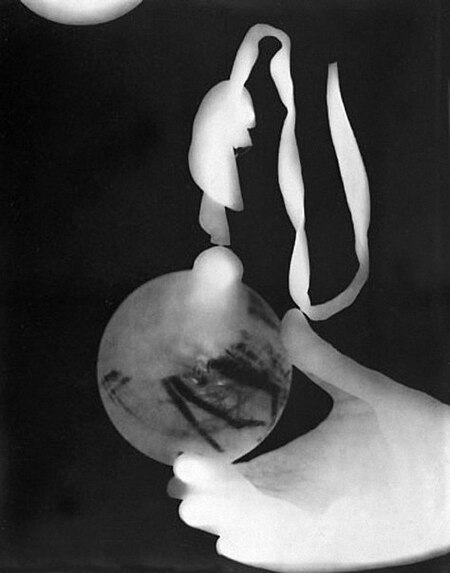
Rayograms helped reveal the inner essence of objects; they resemble items from memory or dreams. Man Ray’s rayograms were more intricate and complex than Christian Schad’s shadowgraphs. Various objects were placed on a sheet of photographic paper, then the paper was exposed using movable beams of light, and after development, an abstract image was produced, combined with the silhouettes of real objects.
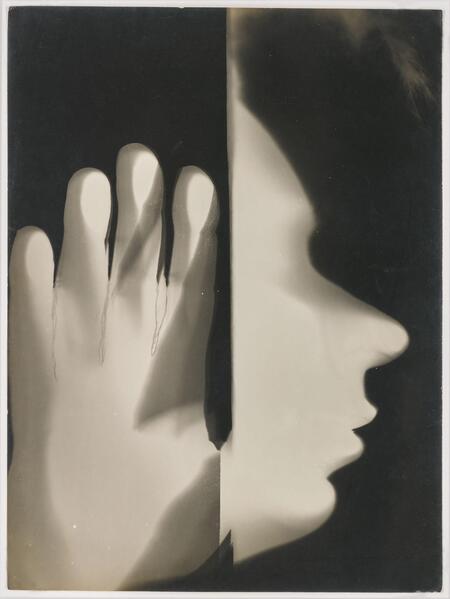
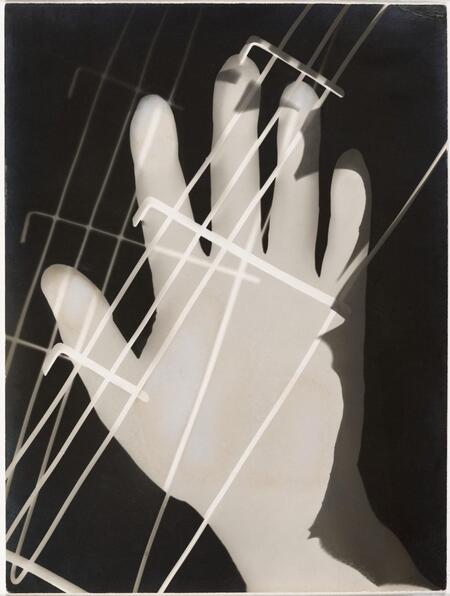
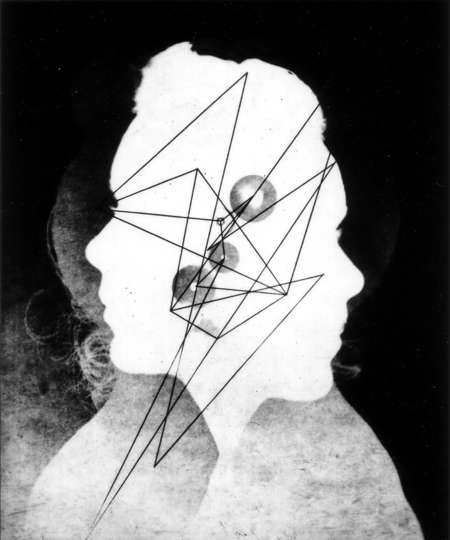
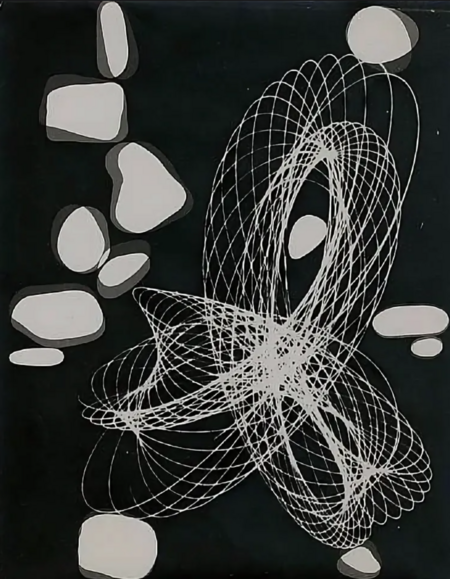
From 1935 to 1937, Gerd Kepeš continued his experiments with light and shadow effects, creating his legendary «photograms”—prints made by placing an object directly onto photographic paper. In addition to „photograms, ” Kepeš also created „photoriscosses, ” applying paint to a glass plate and making prints from it on photographic paper, as if from a negative.
— To demonstrate how light can alter the perception of familiar human form.The role of the silhouette: the silhouette helps to separate the human figure from its usual context, presenting it as an independent plastic form. At the same time, the profile maintains human recognizability, while the hand and face become elements of an abstract composition. The photogram allows the artist to work directly with light and light-sensitive material. The silhouette becomes the result of the physical interaction between the object and the light, rather than merely a method of depicting the subject.
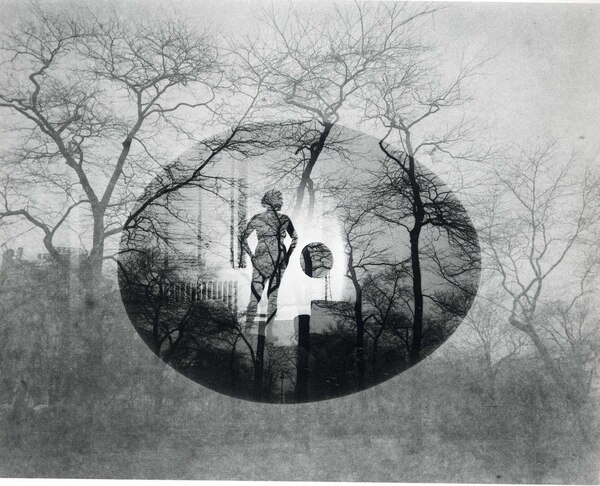
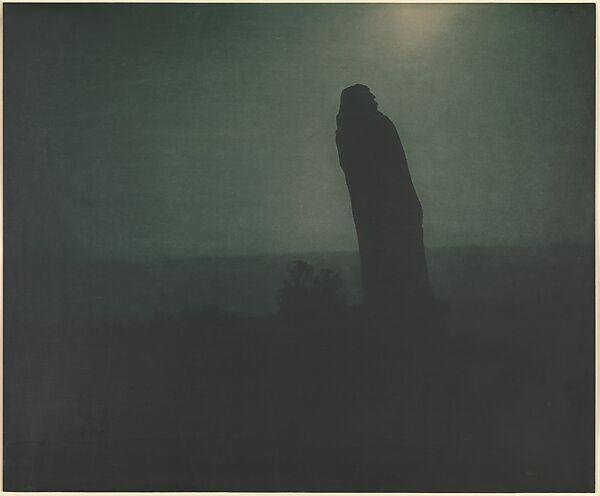
In Bill Brandt’s photography, silhouette acts as a tool for creating an emotional and symbolic image of urban space. By using the contrast between the illuminated moonlight sky and the dark outlines of the architecture, the photographer simplifies the visual perception of objects, stripping them of familiar detail. This allows the architecture to achieve monumentality, and the ruined space becomes part of a dramatic composition. The silhouette here serves not only a formal but also a semantic function, enabling the transmission of the atmosphere of historical time through the opposition of destruction and preservation.