
1. Introduction — the brand, its positioning, visual identity and audience 2. Communication Channels — social media, PR and paid strategies 3. Theoretical Framework — Dialogic Theory and Social Media / Affordances 4. Analysis — theory applied to real communication, with visual evidence 5. Conclusion and Recommendations

Duolingo is the world’s most downloaded education app. It was founded in 2011 by Luis von Ahn and Severin Hacker with one goal: to make language learning free for everyone. Today the platform offers more than 280 courses — over 40 languages plus math, music and chess — all free. Its method is simple but powerful: it turns studying into a short, game-like daily habit. In the first quarter of 2026 Duolingo reached 56.5 million daily active users and around 137.8 million monthly active users, with 12.5 million paying subscribers. Listed on NASDAQ as DUOL, it has grown from a small free app into a global learning platform.
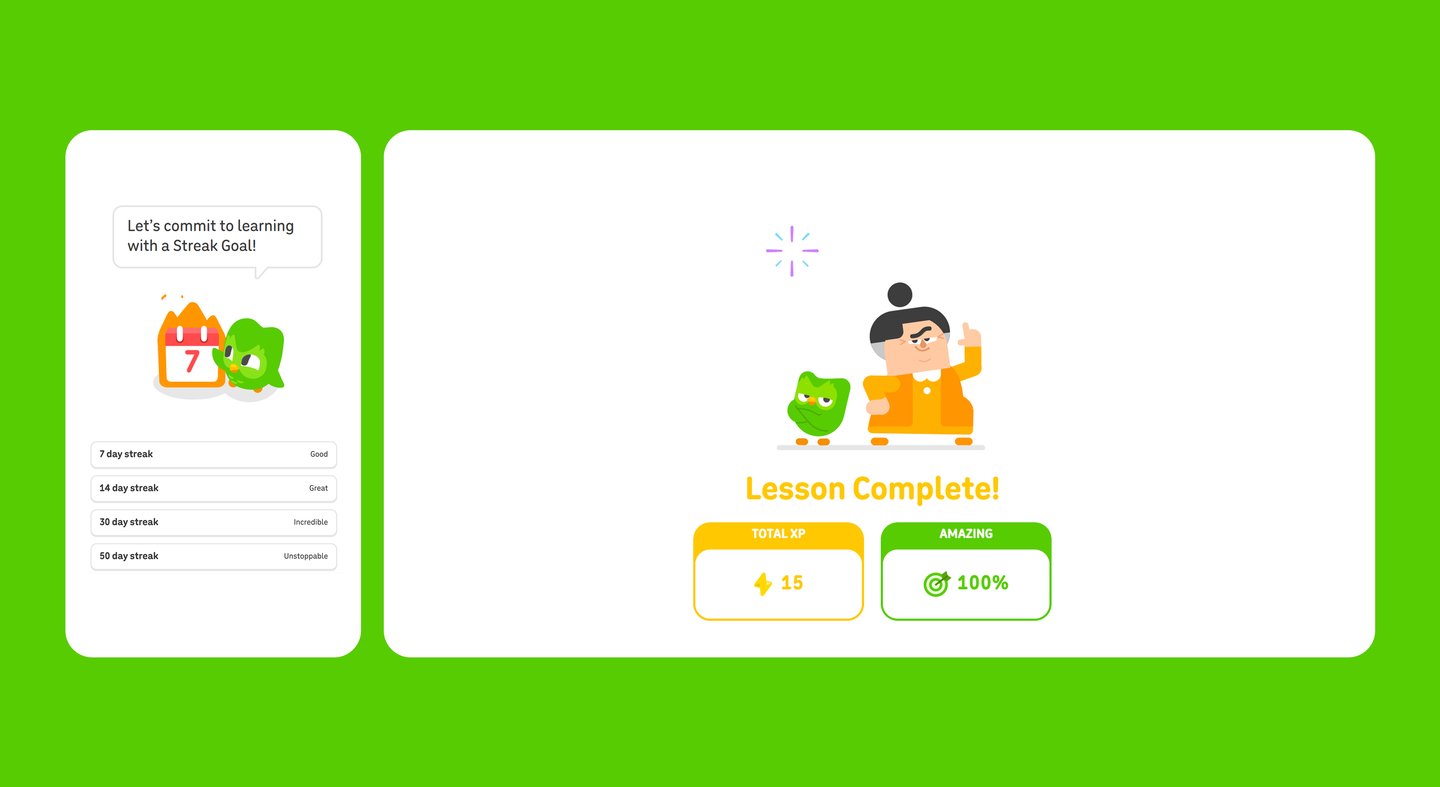
Screenshot of the Duolingo app made by the author in 2026.
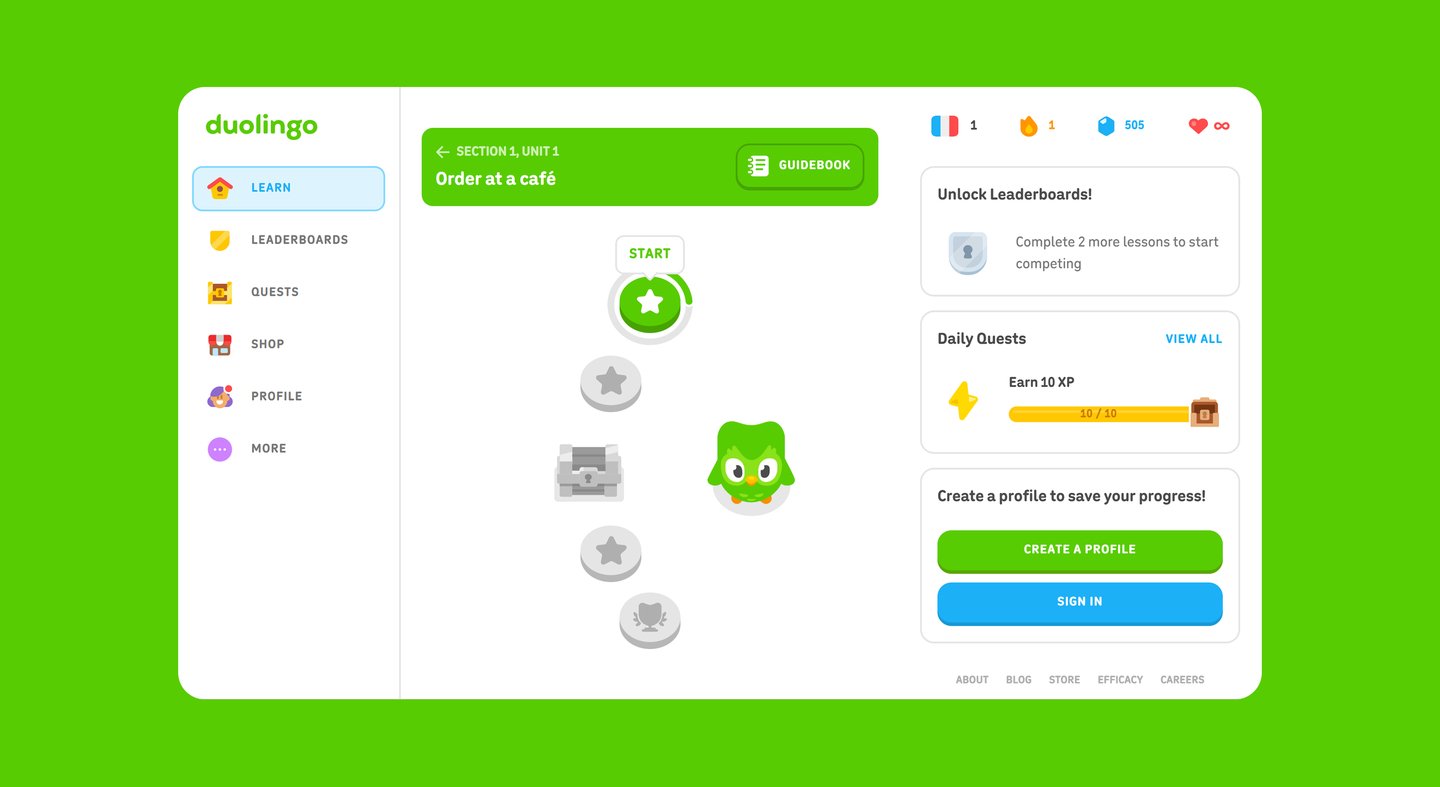
Duolingo’s positioning rests on three promises: free, fun and effective. Its mission is to develop the best education in the world and make it universally available. Gamification — streaks, experience points, leaderboards and a relentless daily reminder — makes practice feel addictive rather than dutiful. The core product is free; revenue comes from advertising and the Super Duolingo and Duolingo Max subscriptions. This «free and fun» promise is the foundation on which every communication decision is built.
At the centre of the brand sits Duo, a bright-green owl. What began as a friendly reminder to practise has grown into a chaotic, self-aware internet character. The brand voice is deliberately «unhinged» — playful, cheeky and quick to laugh at itself — a tone the team says works because Duolingo has always had a quirky personality. For most people online, this character, not the lessons, is the first thing they meet. Duo is the bridge between an educational product and pop culture, and the engine of almost all of Duolingo’s communication.
Screenshot of the Duolingo app made by the author in 2026.
Duolingo’s visual identity is as disciplined as its tone is chaotic. The brand is built around a single owned colour — Feather Green (#58CC02) — taken directly from the mascot; the palette also includes Mask Green, Eel grey for type and Snow white. In 2019 the studio Johnson Banks reimagined Duo as a fully expressive character able to show joy, sadness, anger and even menace, and a custom typeface, Feather Bold, was created whose rounded shapes echo the owl — the flick on the «g» even mirrors Duo’s eyebrow. A wider «cast of characters» supports the idea that everyone can learn. This consistent, friendly design system is the visual half of Duolingo’s communication, and the focus of this visual-research project.
Screenshot from the official Duolingo guide made by the author in 2026.
Duolingo’s signature color
Screenshot from the official Duolingo guide made by the author in 2026.
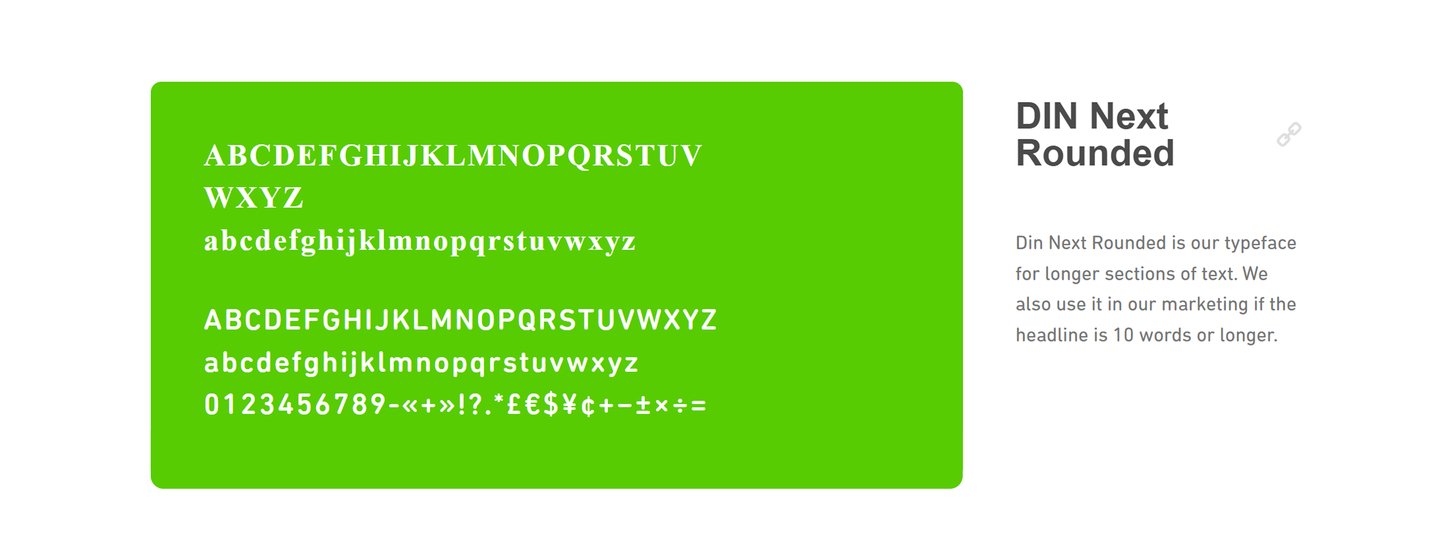
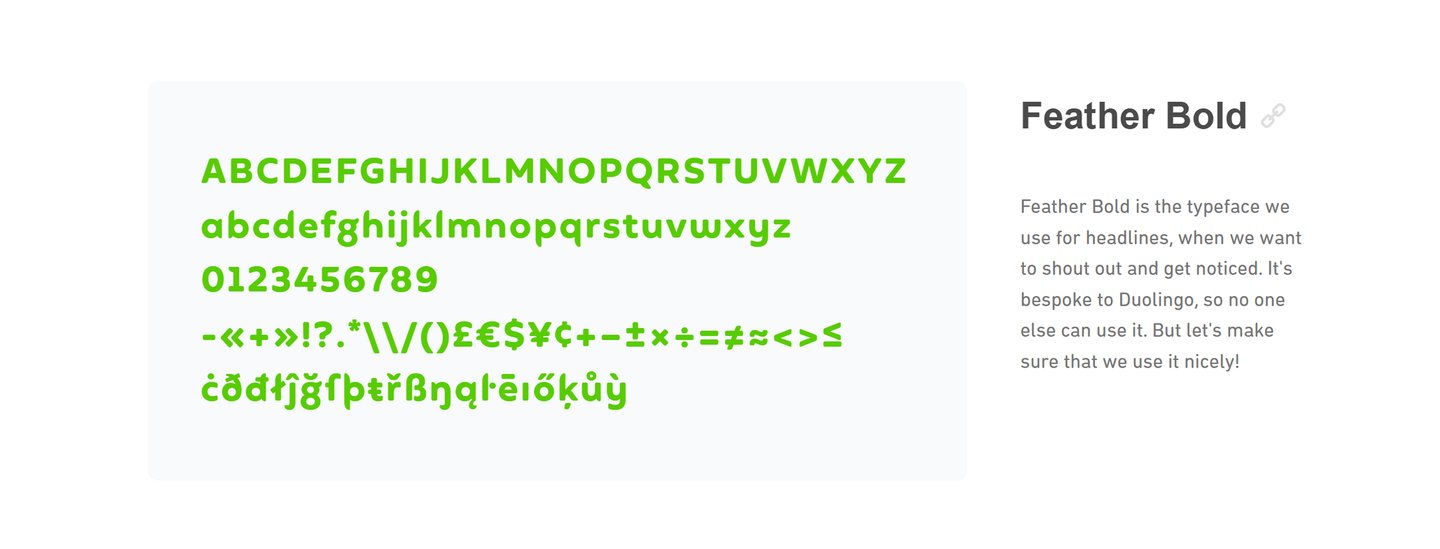
Screenshot from the official Duolingo guide made by the author in 2026.

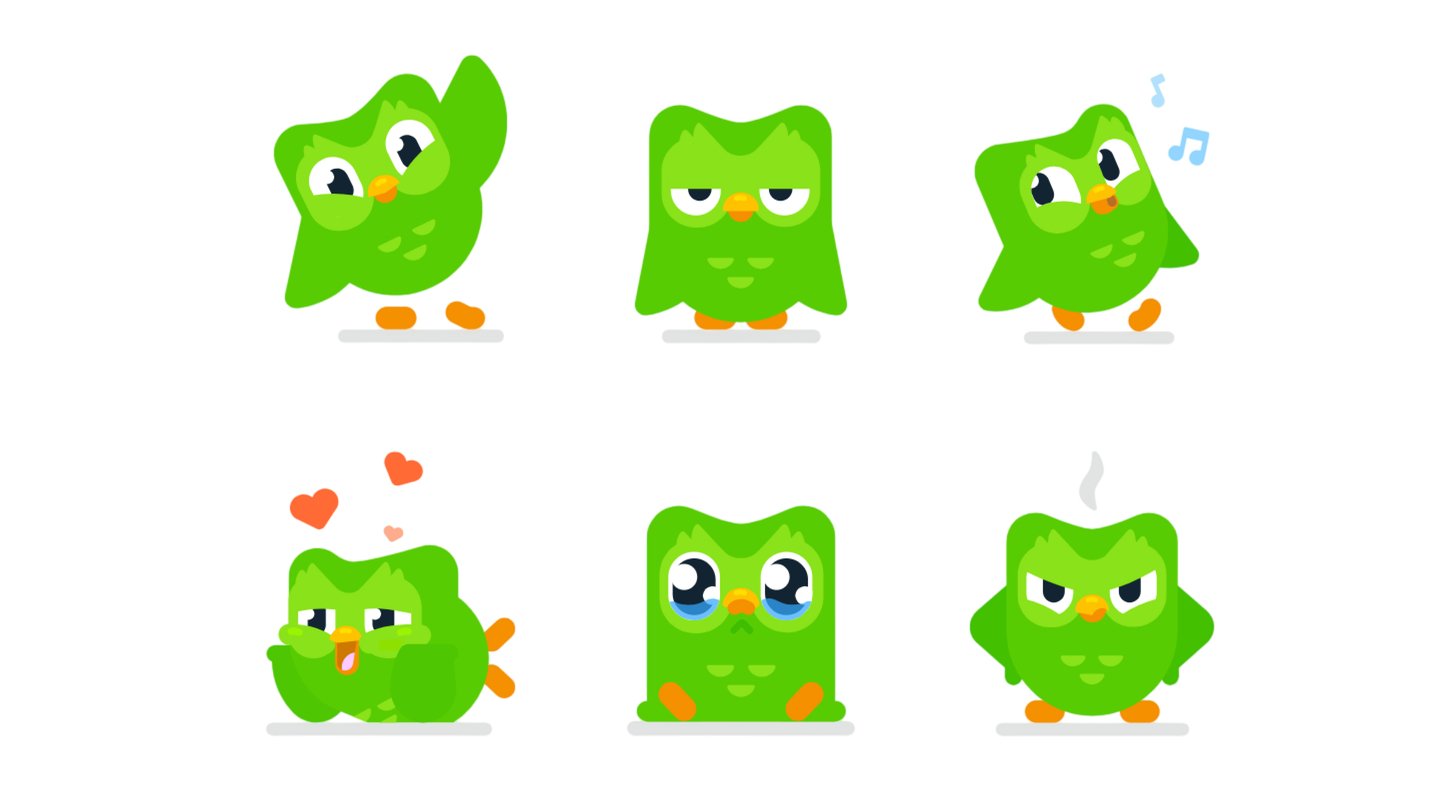


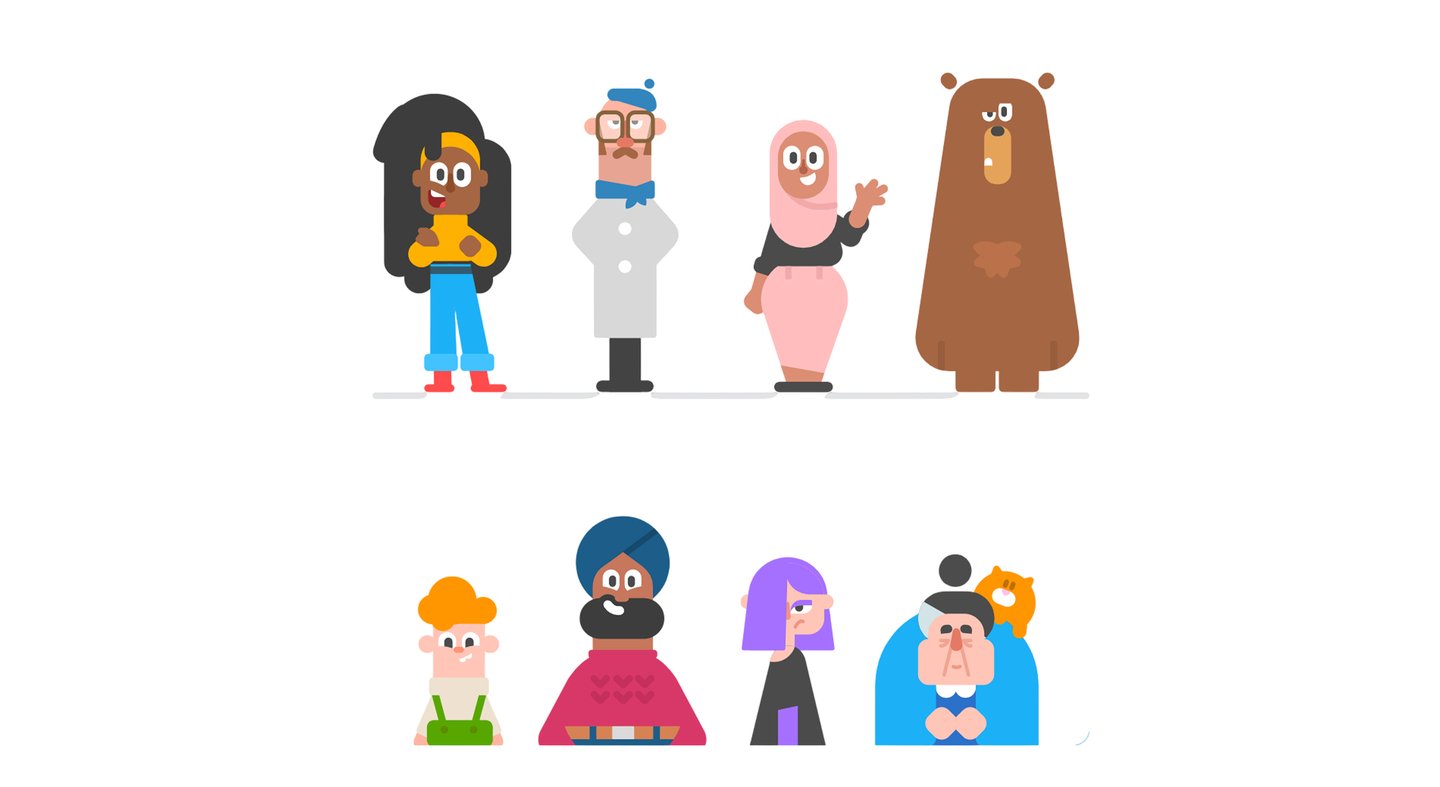
Screenshot from the official Duolingo guide made by the author in 2026.
- Globally distributed — English is the most-studied language in the majority of countries.
- Driven by self-improvement, travel and culture; K-pop and anime have pushed Korean and Japanese up the rankings.
- They prefer irreverent, self-aware entertainment over polished corporate messaging.
- This is exactly the audience Duo’s humour-first, community-driven voice and design are built for.
Duolingo runs an omni-channel presence, but it is social-first. Its public field spans TikTok (the flagship), Instagram, X (formerly Twitter), YouTube and in-app push notifications, amplified by earned media and PR. A key tactic is efficiency: the same short video is often reused across platforms, since a clip that flops on one can go viral on another. Crucially, the brand rarely relies on traditional paid advertising — it earns attention through entertainment. The next screens walk through each channel, then its PR and paid moments.
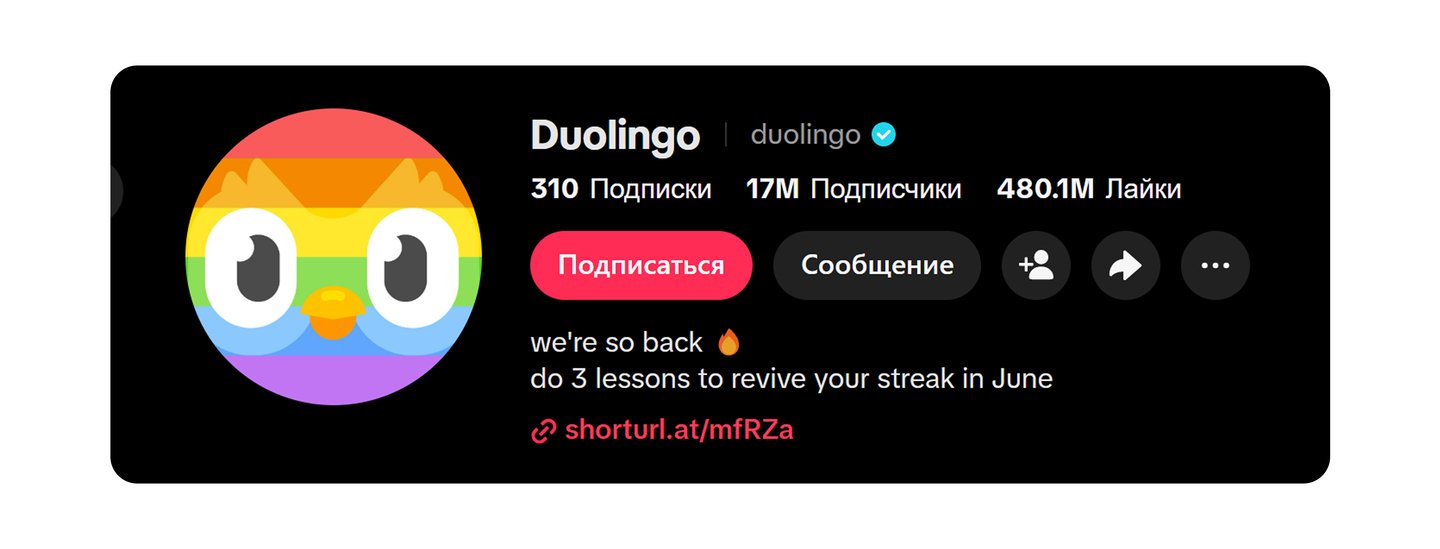
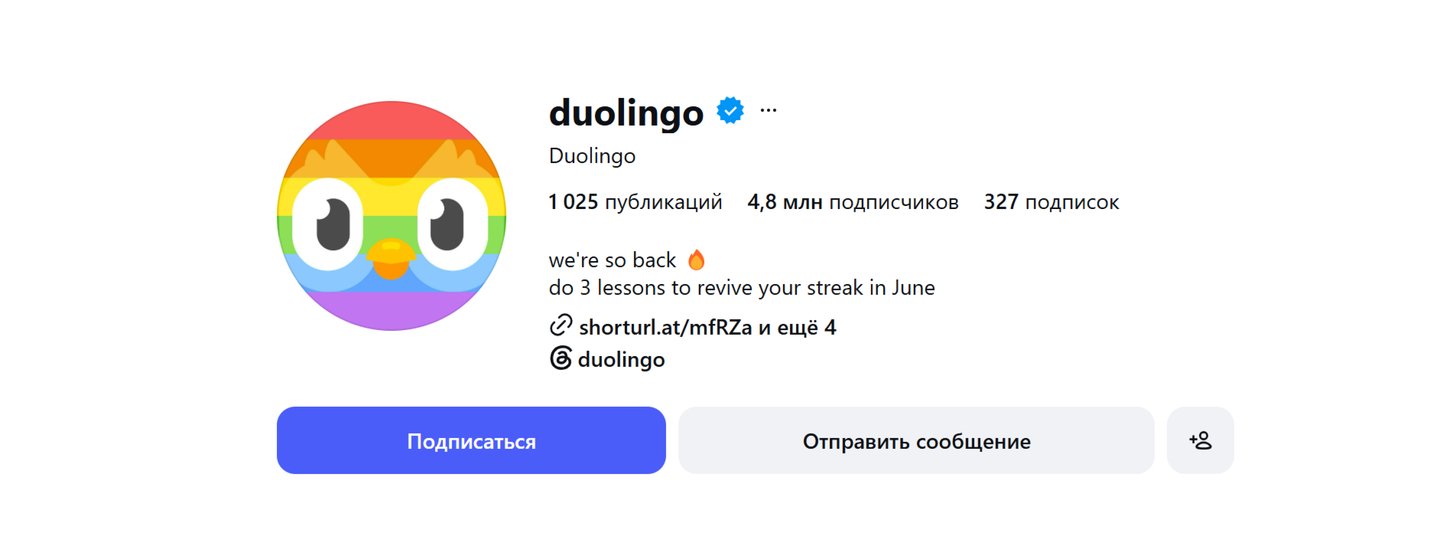
Screenshot of the official Duolingo Instagram/TikTok account, made by the author, in 2026.
TikTok is Duolingo’s flagship channel, with roughly 16.9 million followers. The account was not a top-down corporate project: in 2021 a recent graduate, Zaria Parvez — now global senior social media manager — simply asked to make videos on the brand’s unused account. Her «unhinged», trend-driven content turned Duo into a recognisable internet character rather than a logo. Community management is central: Parvez and her team reply to comments as Duo, sometimes with a video. The result is a channel that entertains first and advertises almost never — yet constantly reminds people the app exists.
Beyond TikTok, Duolingo keeps a consistent multi-platform presence. On Instagram it has around 4.9 million followers and often earns higher engagement per post than on TikTok; on X it trades real-time jokes; on YouTube it hosts longer campaign films. Its most distinctive owned channel, however, is inside the app itself. Push notifications and the streak system are not just product features but communication: the «passive-aggressive owl» that nags users into studying became a meme in its own right, and the brand leaned into it. Every reminder is at once a retention tool and a piece of brand voice.