Introduction
Duolingo is a well–known free language learning platform where learning is presented as an exciting game. According to the company, it is the «most popular language education platform» with short «lesson games». The company’s mission is to «develop the best education in the world and make it accessible to everyone,» reflecting the brand’s positioning as a fun and mass solution. The audience of Duolingo is very extensive — from schoolchildren to adults — but marketing is aimed primarily at young, digitally oriented generations. For example, Duolingo quickly became a «pop‑cultural icon» for Gen Z: due to viral content, her TikTok account has gained more than 11 million subscribers in a few years, while competitors (Rosetta Stone, Babbel) have only hundreds of thousands.

Communication channels
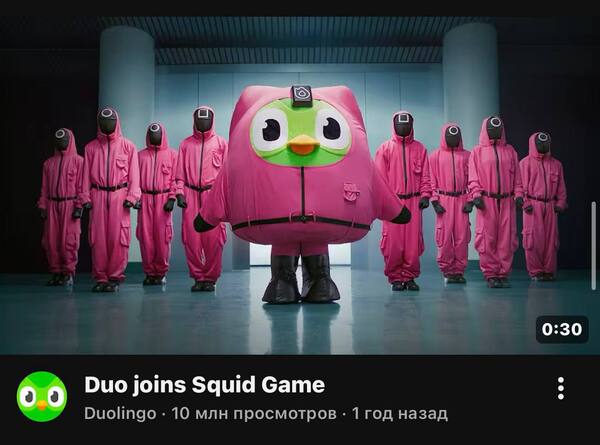
Duolingo actively uses all key social networks and media platforms. The brand runs TikTok, Instagram, X (formerly Twitter), YouTube, and others, as well as an official blog and press center on its website. On social media, Duolingo focuses on entertainment content featuring the Duo’s mascot (the green owl). The official Duolingo blog publishes cases and news (for example, a detailed story about the creation of a commercial for Super Bowl 2024). The PR strategy includes viral moves: for example, a 5‑second video for Super Bowl 2024 was synchronized with a push notification inside the app — 95% of users received a reminder «immediately after the ad was shown.» In addition, the brand issues educational newsletters, collaborates with influencers and regularly participates in Internet trends (memes, flash mobs, challenges). The general direction of PR is humor and engagement, not classic «straight-forward» advertising.



The theoretical framework
We use two theories to analyze Duolingo communication:
- Dialogical theory of public relations (Kent & Taylor, 1998). She describes five principles of two-way communication: mutuality, propinquity, empathy, risk, commitment. According to this theory, the organization and the audience should communicate «in terms of equality»: the brand listens to people, and does not broadcast a one-sided message.
- Theory of use and satisfaction of needs (Uses & Gratifications). According to it, users choose their own media and content to meet their needs (entertainment, information, communication, self-identification, etc.). We will look at what motives are behind the fact that people watch Duolingo content — for example, entertainment or creating a sense of community.
Analysis. Dialogic Theory
Mutuality
Duolingo’s communication is clearly not built as a «top-down speaker», but as a dialogue with users. The brand itself emphasizes that it listens to the audience and takes into account their reactions. So, when preparing the video for the Super Bowl, the Duolingo team used «social monitoring to find out which memes and images resonate most with the audience.» In a corporate blog, the company states, «management encourages us to listen to what our students like and have fun with them.»
Duolingo’s PR director says bluntly, «Your next project is your comments. Let the comments section become your marketing brief.» In other words, the brand gets its ideas for creating content from communicating with fans. Social media analysts note that Duolingo «immerses itself in dialogue» with the audience: responding to posts and comments, the brand demonstrates a cheerful, informal tone, rather than a «corporate» one. Such responses («personalized», «with a sense of humor») strengthen the equality of relationships and trust in the brand.
Interactive loyalty: Duolingo often reacts to jokes and memes about studying and about the mascot himself. For example, Duolingo itself was inspired by memes about «scary» notifications from an owl and even shot a video with the Duo in the image of the heroes of the Roblox game (caption: «This is what will happen to your family if you don’t do your lesson today»), parodying an Internet joke. In this way, they turn fan humor into their own content. This shows high engagement and reciprocity: the brand does not ignore feedback, but encourages it and reacts (sometimes in a very unexpected way).
Propinquity
Duolingo strives for «instant» communication — to be «here and now» in the user’s life. The best example is the Super Bowl 2024 campaign: the brand launched a push notification right during the broadcast of the video. As a result, 95% of eligible users received the message «Hi, it’s Duo. No buts… do a lesson now!» in 3.9 seconds after the ad was shown. The picture below shows one of these The rapid integration of a mass event and a product illustrates the principle of «proximity»: a brand connects an external media moment with an in‑app experience, enriching both channels. In addition, Duolingo often reacts instantly to trends. As noted in a third–party analysis, the Duolingo team «never misses a single viral moment» — as soon as a popular meme or trend appears, the brand quickly creates a related post. For example, in January 2023, they took advantage of a popular dance meme (Finn Wolfhard Snap), inserting it into the content about changing the language in the application and receiving tens of millions of views. Such instant adaptation demonstrates the highest speed and lively engagement: Duolingo literally «catches a wave» of relevant content, which, according to the analysis, makes their communication noticeable and resonant.
Empathy
Duolingo’s communication takes care of the user’s emotional state and takes into account cultural peculiarities. The company tests the formulations «to the taste» of different audiences and translates the notifications so that they sound warmer and more motivating. The Expurrimenter tool for A/B tests of message text in different languages has been officially described. For example, at the end of the lesson, Spanish speakers were tested with the question «Quieres terminar la sesión?» («Do you want to end the lesson?») — a neutral phrase — against the motivating «¡No te rindas! Realmente quieres terminar esta sesión?» («Don’t give up! Do you really want to finish the lesson?»). As a result, the more «supportive» option reduced the number of early exits from lessons. Similarly, in Germany, the text of the invitation to include notifications was changed: instead of the dry «Duolingo needs to send you notifications», they wrote «¡Notifications are proven to foster learning success!» («Confirmed: notifications help to achieve academic success!»). This edit gave +8% to the number of those who agreed to the notifications. Both examples show that Duolingo takes into account the psychology and context of the user: by reformulating the prompts, they make communication more humane and motivating. The company emphasizes the Learners First principle, striving to «speak and write in a way that supports and inspires students in any cultural context.» This is proven by increased engagement with a more empathetic tone, rather than just a hard «nudge» in learning.
Risk
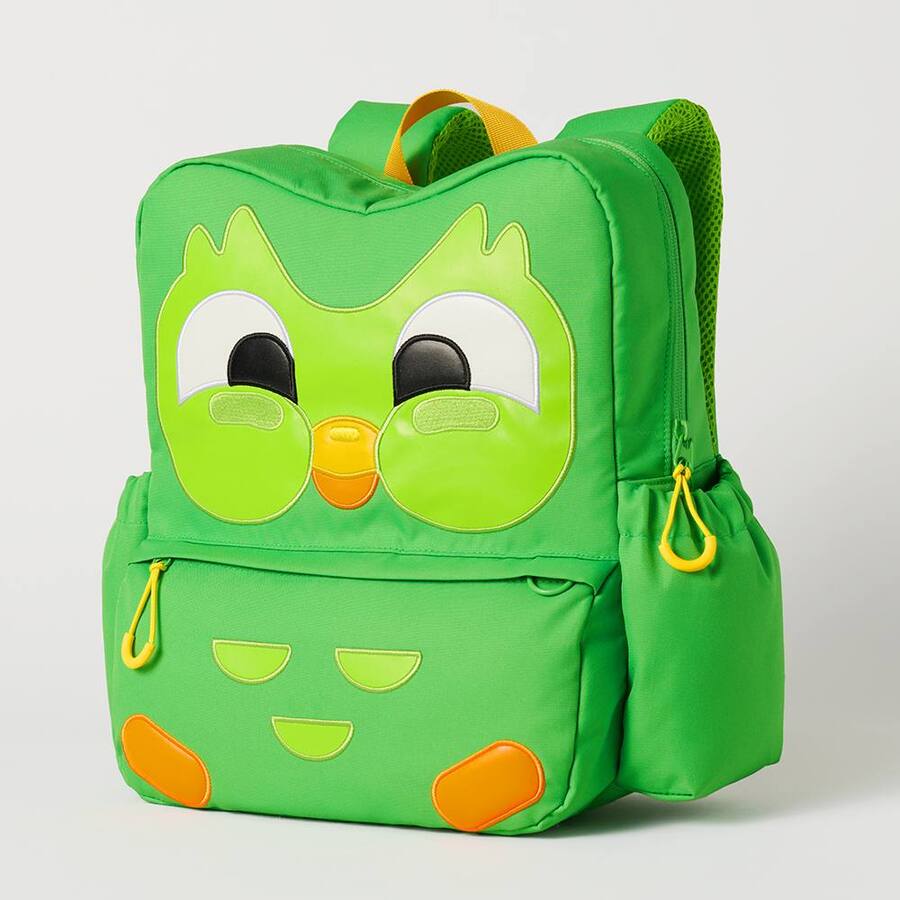
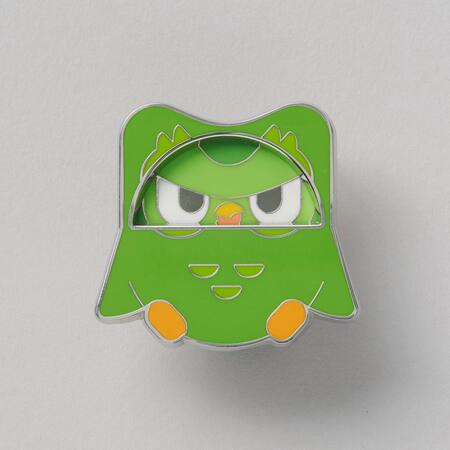
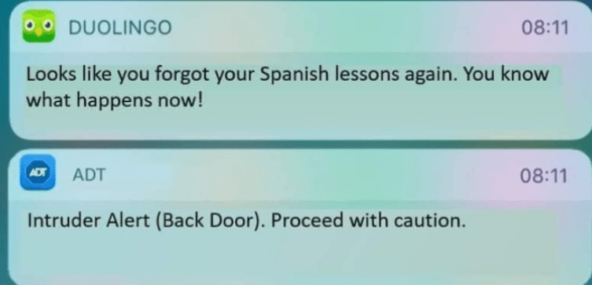
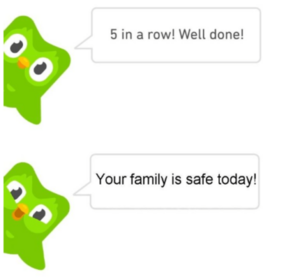
Duolingo intentionally builds its communication around an image that many educational brands would consider too strange or even risky. Instead of emphasizing academic seriousness, the company made the green owl Duo the face of the brand — a character who can simultaneously motivate users to learn and appear in absurd internet memes. In the official company handbook, Duolingo describes its culture as having a «slightly unhinged sense of humor, ” while the brand guidelines present Duo as an emotional and highly involved cheerleader for learners. This approach is especially visible on social media. Duolingo regularly publishes content in which Duo behaves in a ridiculous, overly dramatic, or even slightly threatening way. Rather than distancing itself from the popular meme that the owl „hunts down“ users who miss lessons, the company actively embraces it. Many posts are built around this joke: Duo appears unexpectedly, threatens users with losing their streak, or reacts dramatically when someone ignores the app. Instead of making the mascot more professional or controlled, Duolingo allows the audience to shape the character through shared jokes and interpretations. The company also frequently becomes the target of its own humor. Duolingo publishes self-deprecating videos, reacts to user-created memes, and often turns fan jokes into official content. As a result, the brand image is no longer controlled solely by the company but develops as a collaborative internet character. For an educational platform, this is an unusual strategy, yet it has helped make Duo one of the most recognizable brand mascots on social media.
Commitment
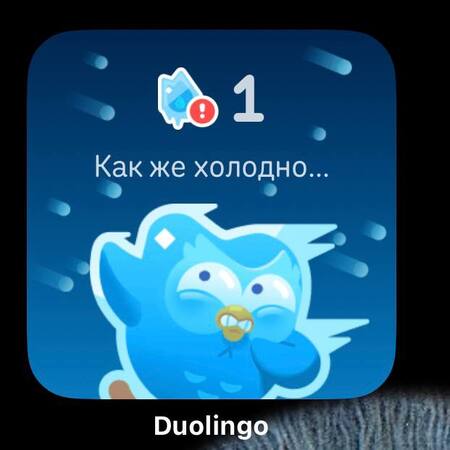
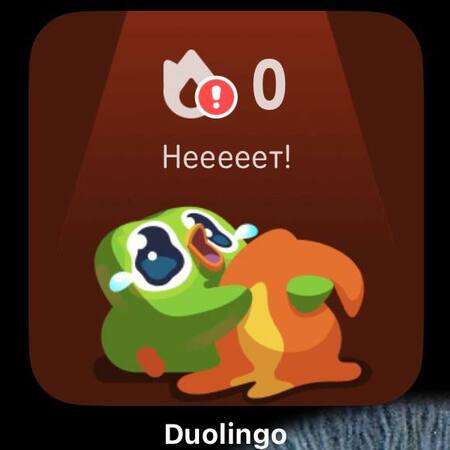
Duolingo’s communication is not limited to individual viral videos or successful campaigns. The brand constantly creates reasons for users to return and maintains contact throughout the learning journey. One of the best-known examples is the streak feature, which tracks consecutive days of study. Users receive daily reminders to maintain their streak, and streak culture has become an important part of the Duolingo experience. For many learners, protecting a streak is no longer just an app function but a personal achievement. Beyond notifications, the brand continuously develops additional touchpoints. Smartphone widgets display Duo with different facial expressions depending on user activity. At the end of each year, Duolingo releases a personalized Year in Review that summarizes learning statistics and turns them into highly shareable social media content. According to the company, millions of users share these cards online, transforming individual progress into a public story. The relationship also extends beyond the app itself. Duolingo produces educational podcasts, develops YouTube content, hosts its annual Duocon event, and regularly publishes stories on its official blog. Together, these formats create a connected ecosystem rather than a collection of separate campaigns. Users encounter the brand not only while completing lessons but also through media content, social platforms, and community events. As a result, Duolingo maintains an ongoing conversation with its audience instead of communicating only at isolated moments.
Analysis. Uses and Gratifications Theory
Uses and Gratifications Theory (U&G) views audiences as active participants in communication, choosing media voluntarily to satisfy specific needs. Unlike earlier approaches to mass communication, which conceptualized audiences as passive recipients of messages, U&G assumes that users consciously use media to achieve specific goals: information, entertainment, identity formation, social interaction, or other personal needs. In the digital environment, this theory has received new developments thanks to the work of Thomas Ruggiero (2000) and Sundar and Limperos (2013), who demonstrated that modern platforms create new types of gratifications through interfaces, personalization, and technological affordances. The Duolingo case particularly well demonstrates the relevance of this approach. Users come to the app for more than just language learning. The brand’s communication ecosystem creates multiple levels of need satisfaction, transforming the educational product into an everyday media practice.
Information and Utility Gratifications
Duolingo’s most obvious function is related to informational and utilitarian value. Users use the app to learn a new language, review material, and develop language skills. This need is the primary reason they choose the platform.
Brand communications actively support this type of gratification. On its official website and in research materials, Duolingo regularly emphasizes the scientific basis of its learning approach, its use of cognitive psychology research, and its ongoing testing of course effectiveness. In this way, the brand builds its image as a useful and reliable educational tool.
Crucially, educational value is present not only in the product itself but also in accompanying media formats. Duolingo podcasts, DuoRadio, and educational content on YouTube allow users to continue learning outside the app. From a Uses and Gratifications perspective, this expands utility gratification: the audience is able to choose the most convenient way to interact with educational content depending on the context of use.
However, the educational function alone is not sufficient to explain Duolingo’s popularity. Many language apps offer similar benefits but fail to achieve comparable levels of audience engagement. This is why it’s important to consider other types of gratification.