Original size 927x1195

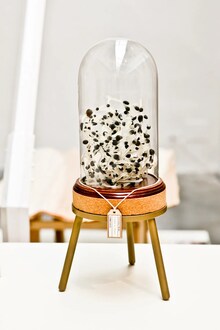
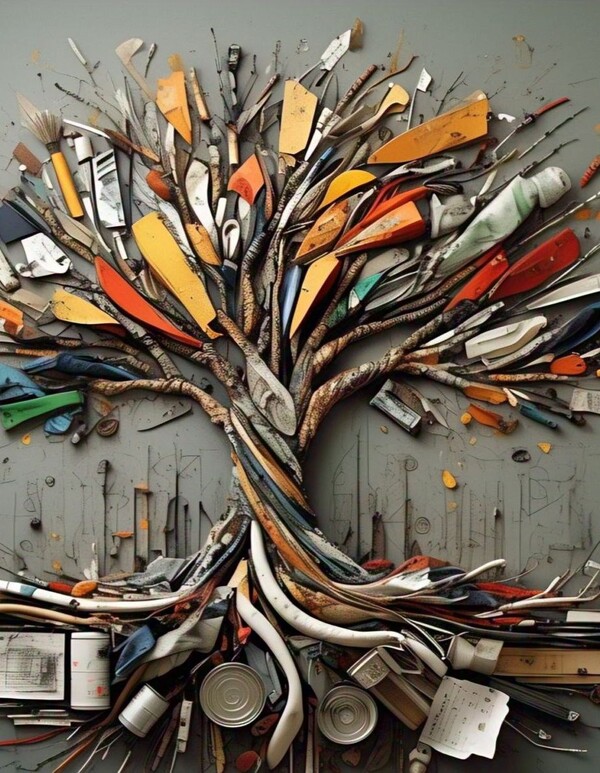
In the book «Creativocacy vs. Eco-Art», discarded materials do not mourn their fate, they rise anew, reborn as symbols of resilience, activism, and transformation. This book is not merely an exploration but a manifesto, a journey into the heart of eco-art, where waste is not an endpoint but a beginning. It beckons readers into a world where art is not simply observed, it is felt, lived, and wielded as a force of change. Has there been a true fusion of art and sustainability? Yes or no? If yes, how? If not, how can it be realized? These questions echo through each chapter like a refrain, guiding the reader from the roots of creativocacy, where art and advocacy merge to the vast landscape of recycled materials in artistic expression, where forgotten fragments of life are reimagined as agents of beauty and activism.

The structure mirrors the very materials it celebrates — a cycle of reinvention. From the opening chapter, Introduction to Creativocacy, where art is unveiled as a catalyst for action, to The Material Revolution, which breathes life into remnants of industry and excess, each section is a mosaic of stories, movements, and inspirations. In The Rise of Eco-Art and Its Movements, artists emerge as modern-day alchemists, turning waste into wonder. El Anatsui’s sprawling work, woven from bottle caps and discarded metal, challenge our perceptions of value. Olafur Eliasson’s Little Sun is more than art; it is a light in the hands of those left in darkness. Every chapter teems with such testimonies of transformation, proving that art does not merely reflect the world, it reshapes it. As the narrative unfolds, Community Engagement Through Eco-Art brings the reader to the streets, where murals rise from forgotten walls, painted by many hands, where art becomes not an individual’s creation, but a collective awakening. Socio-Ecological Innovation in Artistic Practices dares to ask, what if art did not consume, but sustain?
Creativocacy vs Eco-Art: Recycled Materials in Socio-Ecological Arts
Project created at 28.03.2025
Chapter:
1
2
3
4
5
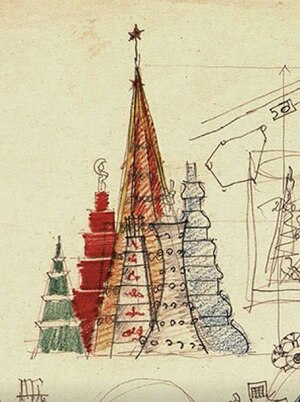
Валерия Литовченко исследует использование русских национальных мотивов в советской архитектуре РСФСР 1945-1991 годов, анализируя их роль в формировании образа эпохи. Проект включает анализ конкретных примеров, таких как кремлёвские ласточкины хвосты и древнерусские элементы в московском метро, подтверждающих присутствие русской традиции в советском зодчестве.
Эстетика и аффордансы. ArtMedia&Science
15
Станислав Миловидов и Анастасия Тоцкая создали текстовый проект, исследующий взаимодействие эстетики и аффордансов в восприятии объектов. Проект включает в себя анализ когнитивно-сенсорного конфликта и модель «Оттолкнуться и Обнять» для понимания эстетики негативного.
Аспирантский плейлист представляет собой сборник музыки, созданный на основе предпочтений студентов и преподавателей аспирантской школы по искусству и дизайну НИУ ВШЭ. Он включает в себя разнообразные жанры, от классической оперы до экспериментальной шумовой музыки, отражающие индивидуальные рабочие привычки исследователей.
Ольга Дьяченкова написала книгу «Био-арт и био-дизайн в Нидерландах», описывающую развитие трансдисциплинарных направлений в искусстве и дизайне. Книга включает примеры биолюминесцентных водорослей, симбиотических аквариумов и других экспериментальных проектов, связанных с природой и технологиями.
hseanimation
HSE Animation is a platform where animation projects become visible to studios, production companies, media, partners, and audiences. It brings together animators’ portfolios, educational programs, specialized contests, and key events from the professional community. The platform was created in partnership with HSE Art and Design School and is developing a... Show more
best of the best
news and interviews
author's animation
for children
applied animation
information video
playlist