
Introduction
And what is this Aviasales…?
Aviasales is not only a flight-search service. It is a system that makes travel uncertainty feel manageable.
Buying a flight ticket is rarely a simple transaction; it is a moment of high uncertainty. Aviasales operates as an online travel search engine, helping users compare flights, check prices, and navigate the transition from initial search to final purchase.
The service is a compelling subject for communication analysis because it operates in a high-stress, high-stakes market. When ticket prices fluctuate, routes are complex, and baggage rules are opaque, users fear making the wrong choice. The brand addresses this by transforming inherent «travel chaos» into a structured, manageable sequence of choices.
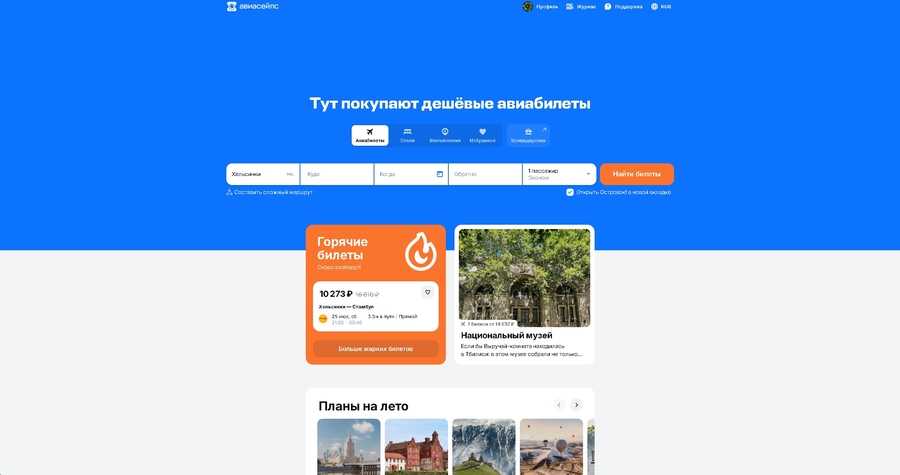
Its communication bridges functional service utility and an informal, humor-driven media personality.
The platform does not position travel as luxury or exclusivity. Its communication is built around practical freedom: moving from point A to point B with efficiency, clarity, and less confusion.
The target audience consists of digitally active travellers who compare prices, use mobile apps, follow social media channels, and expect quick access to practical information. They may travel for holidays, work, family visits, relocation, or spontaneous trips, but their main need is similar: they want to reduce the complexity of planning. They are price-sensitive, but price is not their only concern. Trust, clarity, and confidence are just as important in the decision-making process.
Communication channels
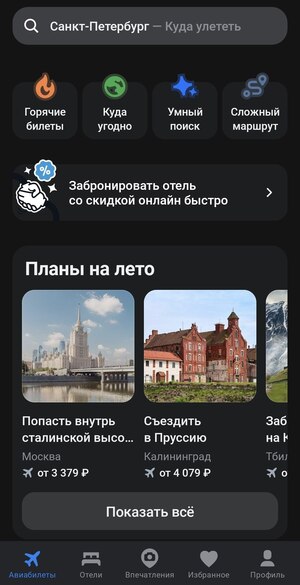
Aviasales functions as an integrated ecosystem rather than a single advertising channel.
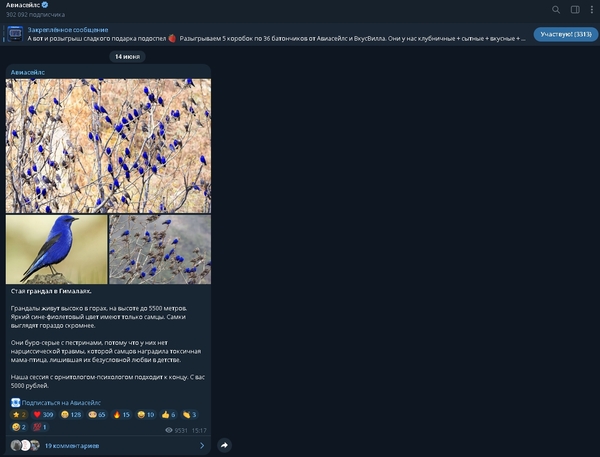
Website/App — core search and comparison engine. FAQ/Support — pillars of trust and transparency. Telegram — channel for emotional engagement and brand presence. Bots/Alerts — mechanisms for encouraging return visits. External Sellers — final conversion points and the main external risk factor.
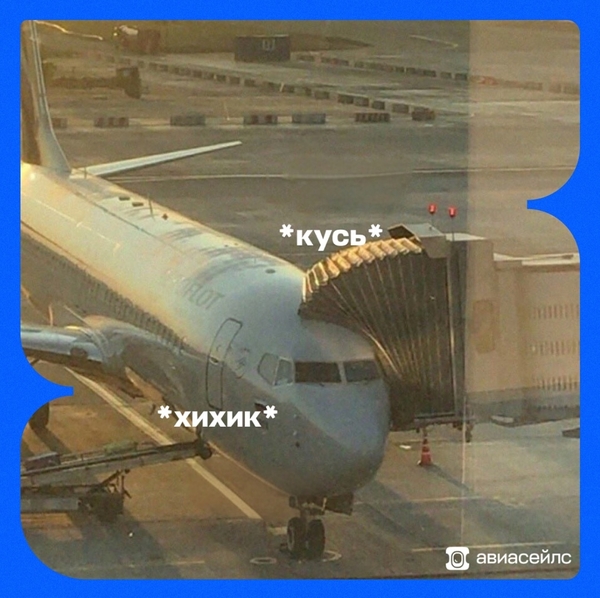
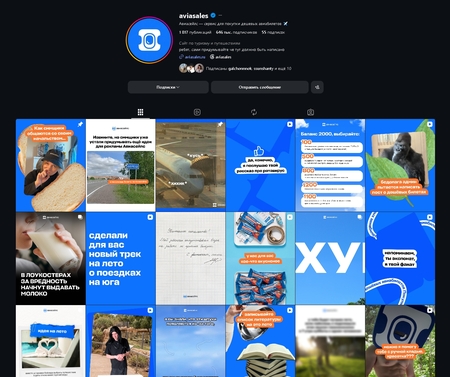
While the website and app establish the brand promise through intuitive search and filtering, social media fills the gap between purchase cycles, keeping the brand top-of-mind through humour and situational content.
FAQ pages act as a safety net, addressing personal uncertainties regarding refunds, baggage, payment, documents, check-in, or seller responsibility. These are the critical moments where the brand’s usefulness is tested.
Theoretical Framework
A purely visual analysis would be insufficient. To understand this case, it is necessary to examine how the brand builds relationships and helps users solve travel-related problems across different touchpoints.
Dialogic Theory views PR as relationship-building rather than one-way persuasion. The audience is an active participant: reacting, questioning, searching, criticizing, and returning.
The analysis uses five criteria of online dialogue:
Dialogic Loop — can the user respond and receive a reaction?
Usefulness of Information — is information practical, transparent, and relevant?
Generation of Return Visits — what sustains the relationship between purchases?
Intuitiveness — is the user journey frictionless?
Conservation of Visitors — does the brand retain the user inside its communication ecosystem?
Situational Theory of Problem Solving is used as a supporting explanation of user activity. Users become active searchers when they recognize a problem, feel personally involved, and believe that the problem can be solved. This fits the case because flight search usually begins with a problem: high cost, unclear route, baggage uncertainty, refund fear, or seller distrust.
Analysis
Dialogic Loop
Dialogic Theory requires a two-way flow. The brand employs a hybrid loop: social media provides emotional participation, while product interface and support channels provide practical resolution.
Public interaction is built around memes, situational posts, absurd jokes, and ironic travel observations. These formats invite users to contribute to the brand’s tone of voice through reactions, comments, reposts, and shared jokes.

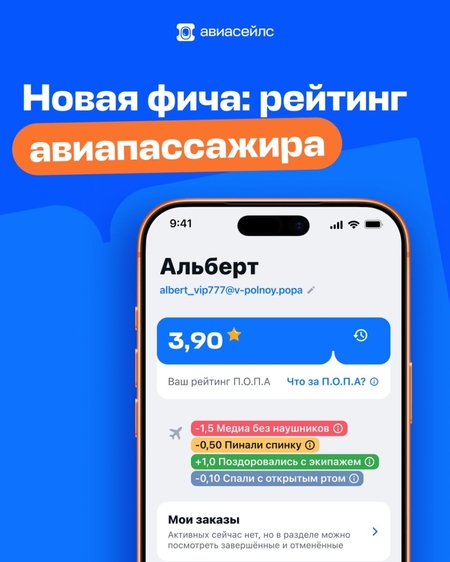
The loop remains open, but the type of dialogue changes depending on the user’s situation.
When the conversation shifts to technical issues such as refunds, baggage, documents, or payment, dialogue moves to more structured spaces: FAQ, support, bots, and interface choices. This segmentation is effective because entertainment and service do not perform the same function.
Usefulness of Information
Practical transparency is one of the strongest assets of the communication system. By integrating baggage toggles, filters, ticket-card data, sorting options, and price alerts directly into the product experience, the service reduces the cognitive load of ticket search.
Humour serves as a hook for initial attention, but utility builds long-term trust. FAQ and support sections are less expressive than SMM, but they are critical for PR. They prove reliability during moments of failure: document issues, check-in errors, refund questions, or seller responsibility.
Generation of Return Visits
Because travel planning is sporadic, the brand must remain present during «dry» periods between purchases. SMM plays a central role here: memes, travel facts, collaborations, giveaways, and situational humour keep the service visible even when users are not actively searching for tickets. This creates a dual-layer return mechanism. Entertainment builds emotional affinity, while functional tools such as price alerts, bots, and app notifications create clear utility-based reasons to return.
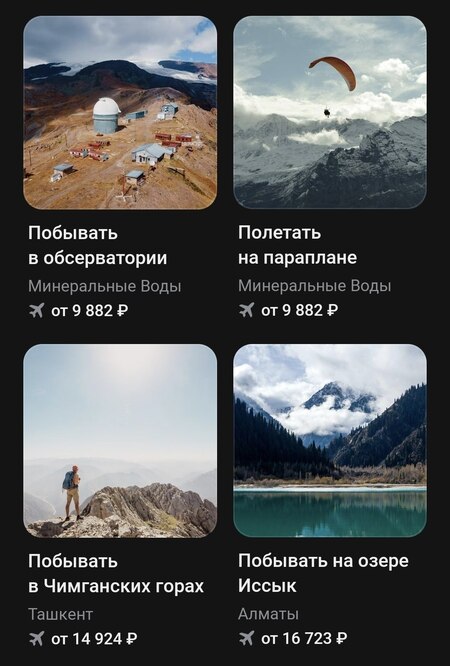
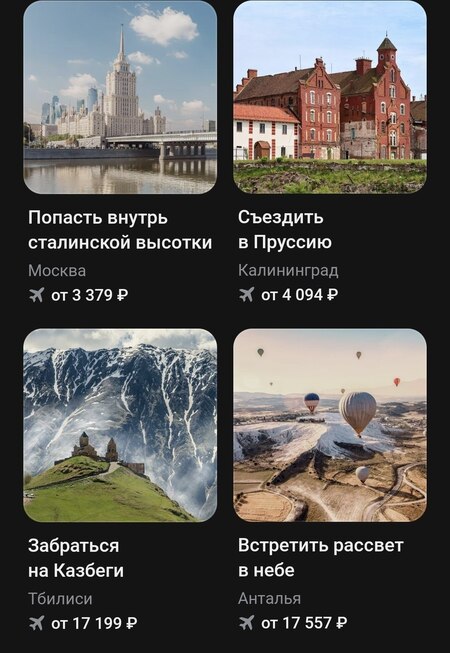
Map of the districts of Kazan in Aviasales app.