Sofia Gaitanova
I build fashion brands that function as media—through culture, material, and image—so that a product evolves into something people cherish.
CHAPTER ONE — ROOTS A brand begins with the memory of a place
Headscarves with a Vologda code
A brand-media platform for headwear and scarves, built on the cultural code of the Vologda region.
ABOUT THE PROJECT
The project intertwines headwear, scarves, and cultural memory. The diploma brief involved developing a brand-media platform for mid-segment scarves, requiring identity, market and audience analysis, product development, a communication strategy, and a go-to-market plan. Before designing anything, I studied the headwear market across three levels—global, national, and local—to identify a niche for a new brand and to understand how tradition can function within contemporary design.
PROBLEM
The market is growing, yet there is no room for a brand like this. Globally, the headwear market has shifted from mere function to self-expression: a hat or scarf is now a component of one’s image, a declaration of identity. This trend is fueled by social media, sportswear culture, and a growing appreciation for handcrafted goods. However, the dominant players—Nike, Adidas, Under Armour, and New Era—win through capital and distribution, and none of them engages with cultural codes or artisanal techniques.In Russia, there is a resurgence of traditional forms; the kokoshnik, the boyarka, and the kubanka have made a comeback. Mass demand is met by Ekonika, which lacks cultural depth. Local brands operate within a generalized «Russian style.» No one is building a system rooted in the specific codes of a particular region. Furthermore, the Vologda scarf, which once conveyed a wearer’s identity, origin, and marital status, has devolved into a beautiful but inauthentic souvenir.
WORK ON THE SOLUTION
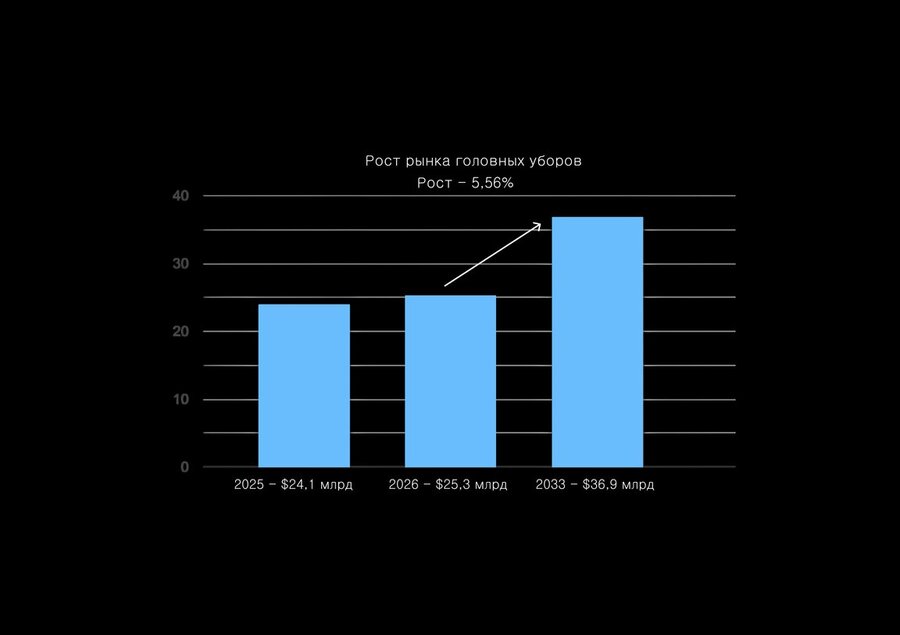
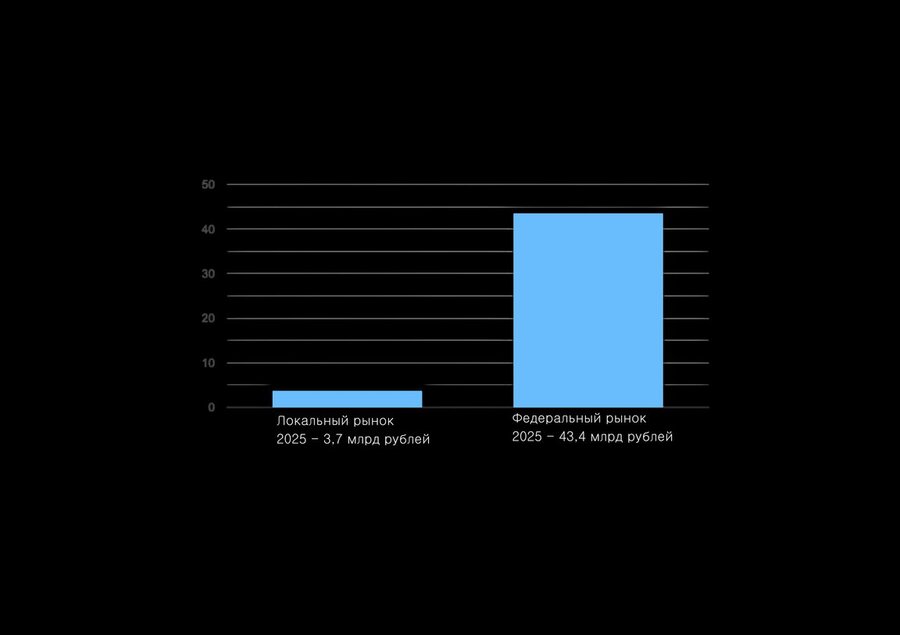
Market research on three levels. Each figure below measures something different (market size, production growth, local growth), so the pattern matters more than a direct comparison. In Moscow, local brands Blgvst, Paki Paki, and From Saba work with lace, tradition, and art prints, but each employs its own generalized style. The kokoshnik evolved into a mass trend, becoming either a souvenir or a festive object.
The research conclusion: the global market grows without brands that convey culture, Russia is growing faster because people are returning to traditional forms, and Moscow has the most capable audience. When a region’s cultural code is used as a system, it creates a free niche. Next, we conducted visual research centered on three themes: the bird and its reflections in different languages, headwear as a code across Russian regions—how it was worn and made—and how contemporary brands engage with archives and history.
CONCEPT
«We wear not just fabric on our heads. We wear memory.»The manifesto sets the tone. The scarf comes back to life not as a reconstruction or a museum piece, but as something you want to wear today—for a wedding, for a walk, for a meeting with yourself. The brand works with lace, cotton, and embroidery, taking the bird, the official symbol of the Vologda region, into a contemporary visual language.
The product follows this concept. A single scarf offers numerous scenarios: worn on the head, neck, or shoulders; suitable for everyday use or ceremonial occasions; and passed down as a family heirloom. The scarf is more than just an accessory—it’s a gateway to culture, a means to slow down, and a way to feel connected to a place, a family, and yourself.
II
CHAPTER TWO · MATERIAL
Memory also lives in how things are made
Form
Every material follows its own journey—from a gift of the earth and human labor to a piece assembled by your own hands.
ABOUT THE PROJECT
FORMA is a jewelry workshop where the customer participates in creating the piece. The brand must explain the extensive journey of every material.
PROBLEM
How to make that journey visible—so that assembling a piece of jewelry feels like the final chapter of a story that began long ago.
WORK ON THE SOLUTION
Natural stone emerges from the depths of the earth and magma. A cultured pearl arises from water and a shell. A piece of jewelry is born from the history of its materials and from the person who creates it. What connects these elements is a thread of time and creation, onto which every material is patiently strung.
CONCEPT
A visual system governed by clear rules. The human figure is always rendered in red—the color of the magma that creates natural stone—as the person assembles their own piece. The patterns are textures of magma or water. The background remains black to provide depth and space. The elements and the human figure become the «technologies» of jewelry making.
Atelier Argear
A stand that feels like the workshop itself.
ABOUT THE PROJECT