curatorship concept of a diploma-startup
concept
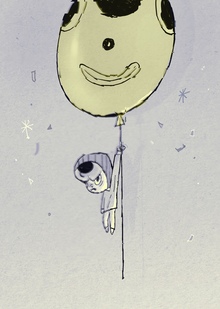
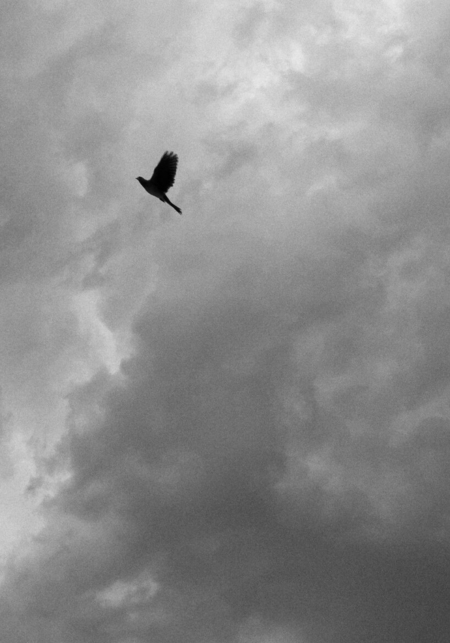
My first degree is based on the idea of combining local mythology and modern art. The central plotting mythology of the region (such as the Bird in the Mythology of Komi), embodied in decorative applied art, becomes the universal key to an endless series of associations and initiates a dialogue between the stories that moved people centuries ago and the reflexion of young artists.
The erasing of the temporal boundary, a single timeline, compressed to the exhibition hall, sort of separates the objects that have entered the Convention ' s ethnographic exposure from the usual background, showing their relevance.
Exhibition context
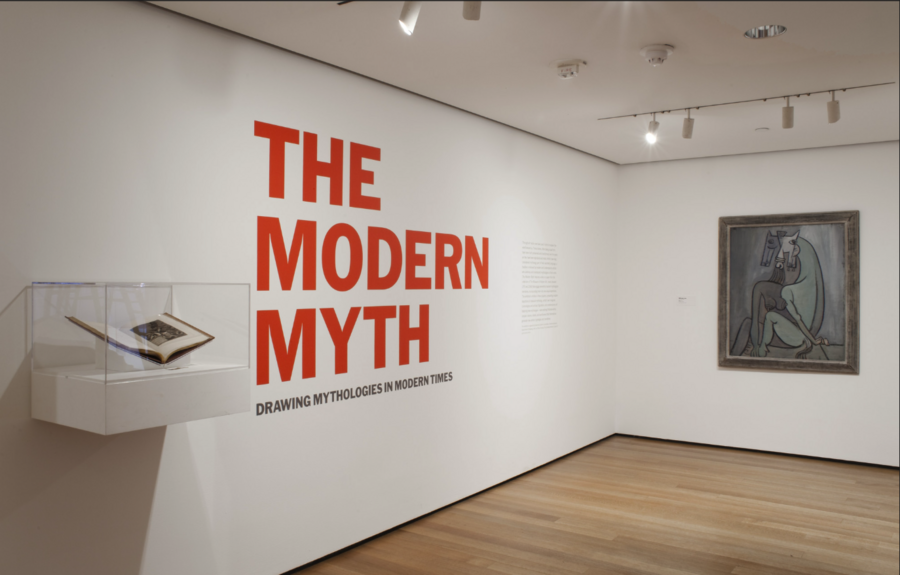
MoMA, Modern Myth: Painting Mythology Today, 2010
In 2010, an exhibition entitled «A modern myth: painting mythology in modern times» was opened in the MAA. The timing of the exhibition was approximately from 1797 to 2008, and artists included Matthew Barney, Joseph Boyce, Paul Cesanne, Enrique Chagoya, El Salvador Dali, Marcel Duchan, Willem de Kuning, Juan Downey, Max Ernst, Adolf Gotlib, Archil Gorki, Wifredo Lam, Matta, Ana Mendieta, Wangechi Mutu, Pablo Picasso, Richard Prince, Jackson Pollock, Odilon Redon, Mark Rotco, Jim Shaw and Andy Warhol.
MoMA, Modern Myth: Painting Mythology Today, 2010
This is how curators Luis Pérez-Oramas and Estrolita Brodskaya describe the main narrational vector of their exhibition: «The genre of representative visual art has long referred to ancient mythology as a thematic repertoire, and this tradition continues and is being developed by contemporary artists who continue to refer to mythological references and rethink them in their work. This exhibition examines the artistic traces of these motives in modern art, as well as the practice of modern mythology through a non-linear, thematic presentation of works.»
MoMA, Modern Myth: Painting Mythology Today, 2010
«Some strange convergences» connect different cultural ponds, giving birth to neighborhoods that are impossible to imagine in the usual environment of a conservative museum.
Pushkin Museum, exhibit «Some Strange Communions», 2021
Pushkin Museum, exhibit «Some Strange Communions», 2021
The curator’s method of Jean-Jubert Martin — in de-sortizing the objects of seduction through a comparison of plastic, skeleton, mythology of different eras, this seemingly eclectic, and gives birth to an endless association series.
Pushkin Museum, exhibit «Some Strange Communions», 2021
The Paradox Coast Line exhibition understands Kamchatka’s phenomenalology, its social and topography vagaries, and variability.
Hydrocarbons 2, Paradox Coast Line, 2024-2025
Hydrocarbons 2, Paradox Coast Line, 2024-2025
The project’s handlers describe it as follows: The Coast Line Paradox combines several types of exhibits. These are the works of invited artists and projects designed by other participants in the programme — representatives of social organizations, teachers, scientists, environmentalists. They are supplemented by items from museum collections reflecting the multifaceted and contradictory process of research, development and public presentation of Kamchatsk province since the 17th century.»
Hydrocarbons 2, Paradox Coast Line, 2024-2025
Roman Mironov and Anastasia Shabashova’s project takes as a starting point the image of a bird, the fabulousness that is becoming an area of escapism on the one hand, and the deconstruct of reality, a way to talk about complex things through metaphors of magic fairy tales.
RRT for young people, fairy tales to a bird, 2023
RRT for young people, fairy tales to a bird, 2023
RRT for young people, fairy tales to a bird, 2023
curatorship concept for the first Bioacoustics of Myths project
It is the myth of the emergence of the world in the world view and the cosmological mythology of the Finno-Ugori peoples, around which personal stories and the reflexion of contemporary artists unfold.
venue
National Gallery of the Republic of Comi
Section of the exhibit
1 section of the exhibit: The Origin of Peace and the Origin of an Ideas