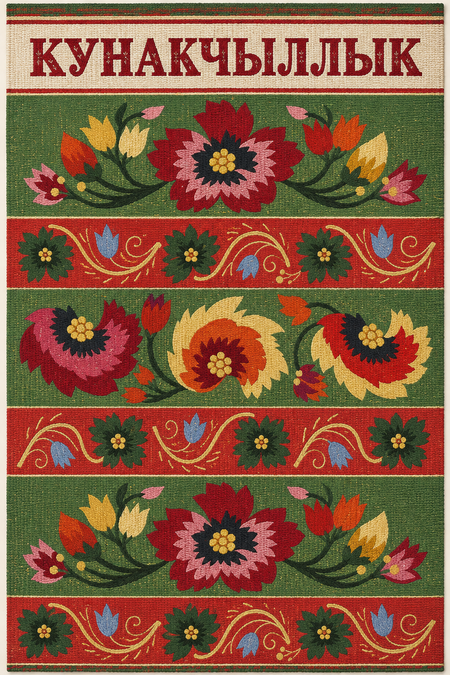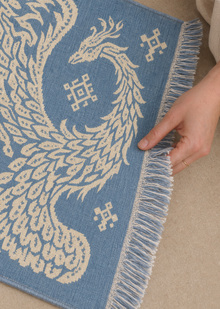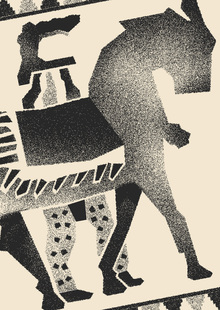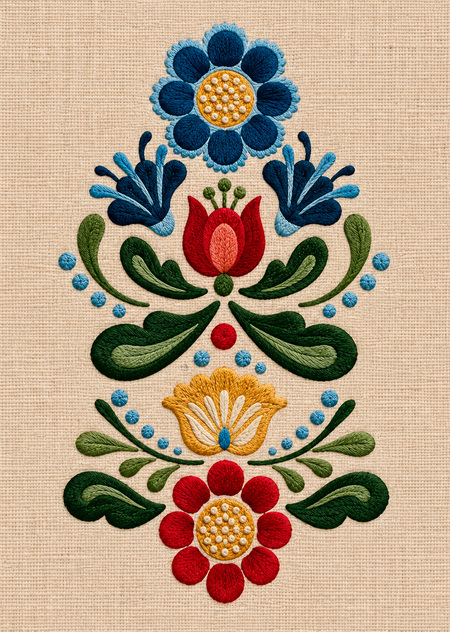
Tatar ornamentation is a complex system of symbols and images, in which every form carries cultural meaning and is connected to other elements. Tulips, leaves, scrolls, zoomorphic, and geometric motifs intertwine, repeat, and transform, forming a unified visual language. Some elements symbolize life, growth, and renewal, while others refer to concepts of nature, harmony, and protection. Together, they form a cohesive ornamental structure where traditional motifs retain their recognizability while acquiring new forms and meanings.
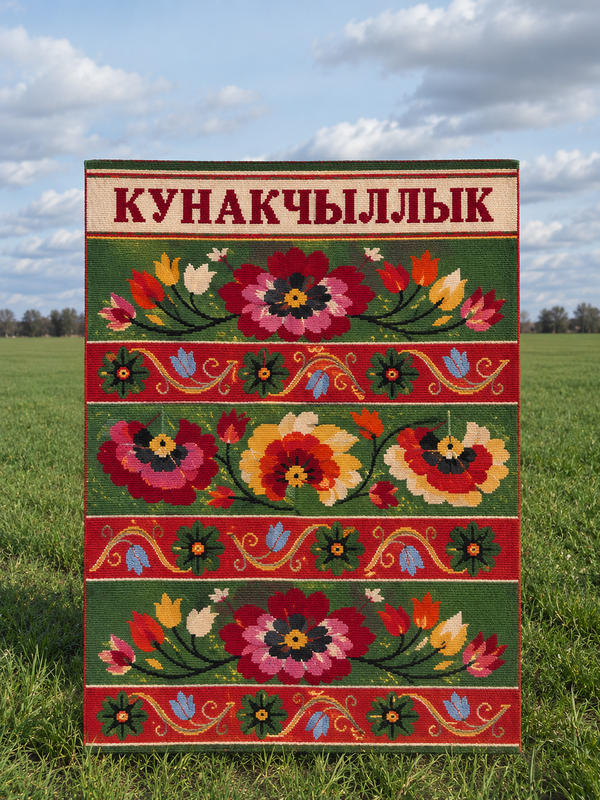
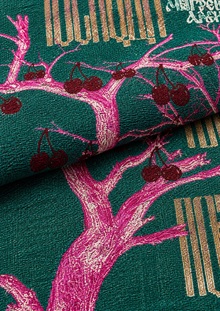
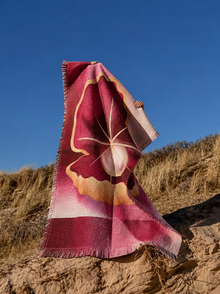
In traditional Tatar homes, textile items held a special place: carpets, woven towels, blankets, and wall hangings. They adorned the walls, furniture, and household objects, creating an atmosphere of warmth and coziness. The ornaments on the textiles served not only as decoration but also as carriers of cultural meaning. In my project, I aim to continue this tradition by transferring the images and symbols of Tatar ornamentation onto contemporary tapestries, preserving their distinctiveness and expressiveness.
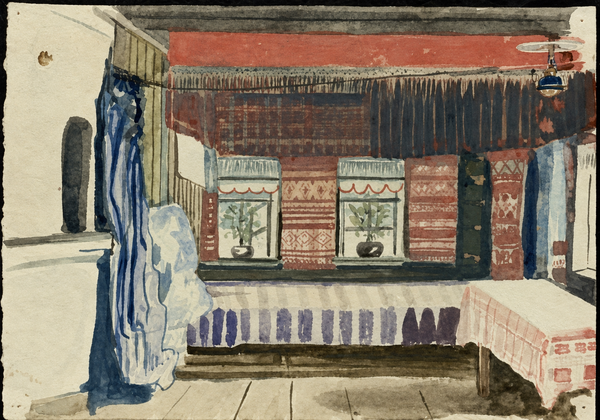
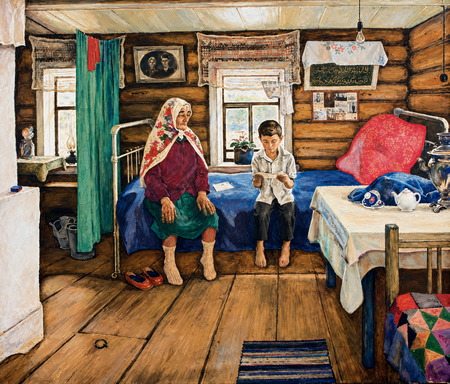
Images of Tatar interiors
The Tatar ornament possesses a unique visual language where each symbol carries a specific meaning, and their combinations can tell an entire story. Intertwining and complementing each other, the traditional motifs form compositions that reflect the cultural values and worldview of the people. In my project, every ornamental composition serves as a visual embodiment of a key quality of the Tatar people—hospitality, wisdom, valor, and kindness.
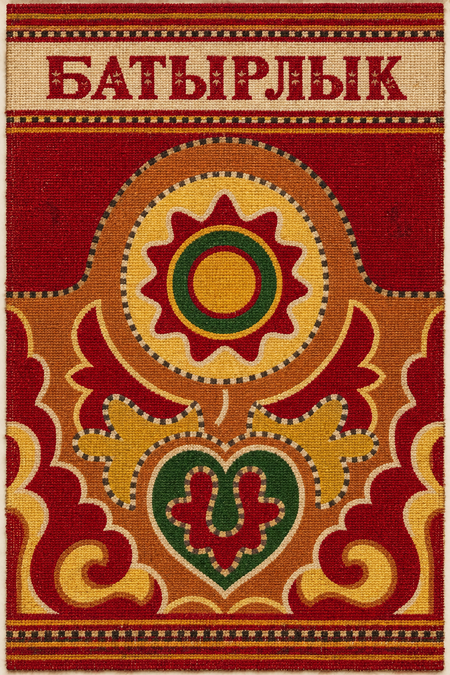
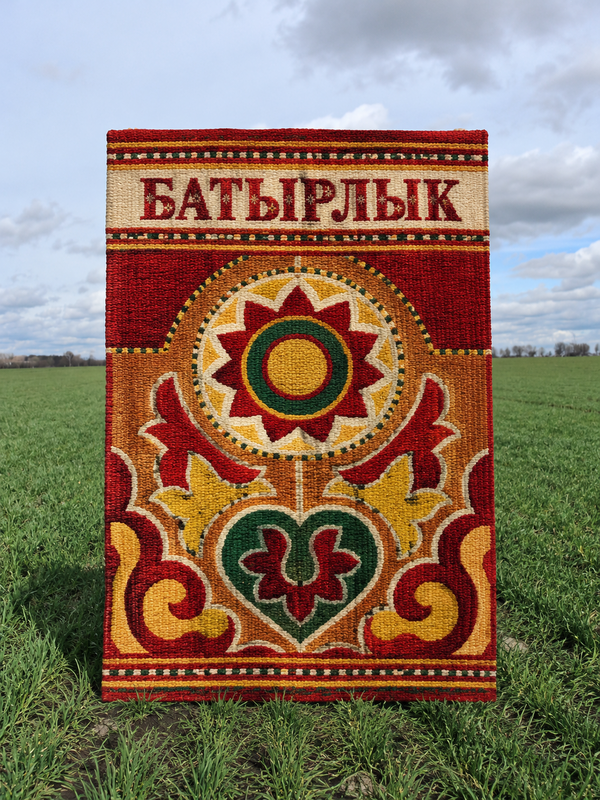
Courage
In Tatar folk ornamentation, the oak leaf symbolizes masculine strength, resilience, and valor. It embodies physical and spiritual power, courage, firm character, and longevity. The eight-pointed star also serves as a sign of strength, protection, and ultimate harmony.
Kindness
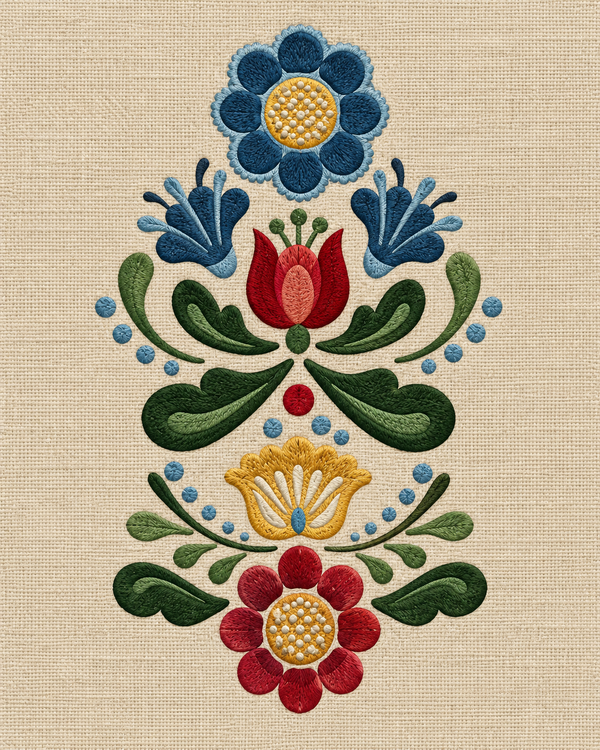
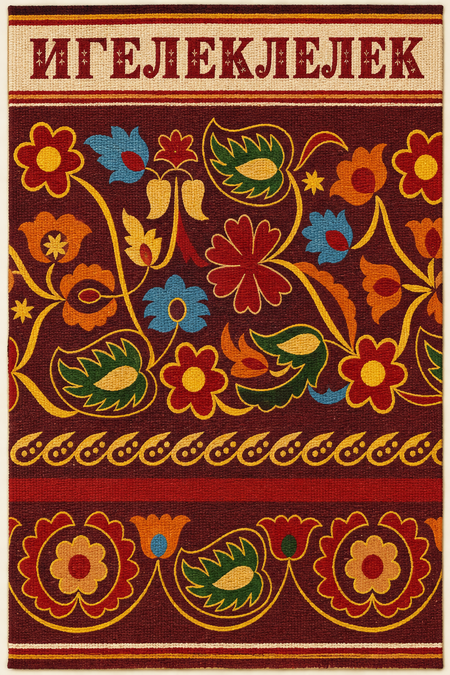
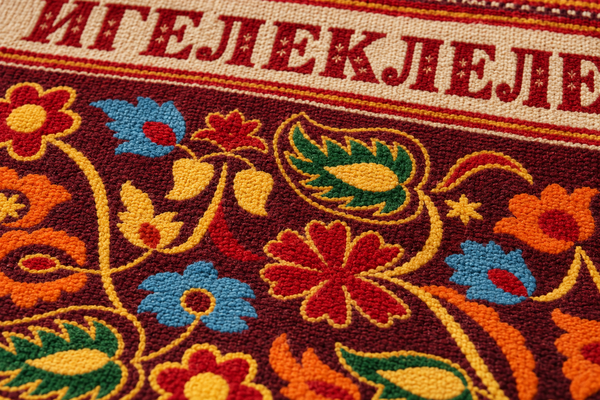
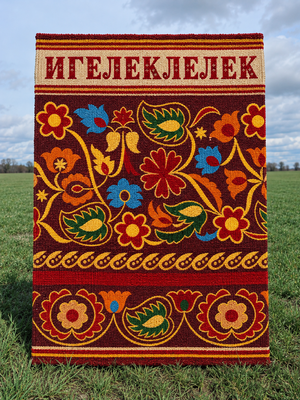
Words of kindness and spiritual purity are conveyed through floral and plant motifs. For instance, the tulip is a major symbol in Tatar culture. In addition to signifying rebirth, it embodies purity and good intentions. Floral bouquets transmit wishes for heartfelt warmth.
Mind
In traditional Tatar ornament, the asters symbolize wisdom, intellect, and the connection between generations.
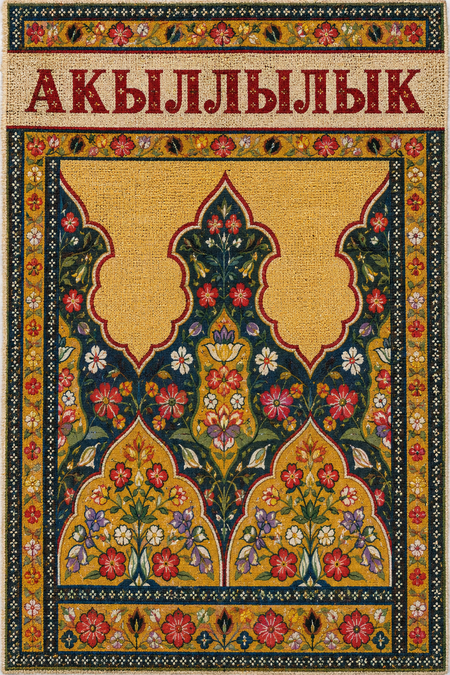
Hospitality
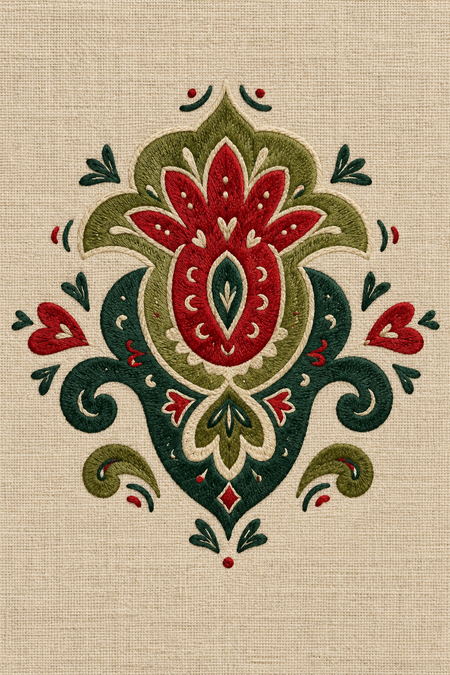
In traditional Tatar ornament, the grapevine is considered the primary symbol of hospitality, celebration, and friendliness.